Analysts from Oxford Economics modeled three scenarios, including a de-escalation of the conflict following the U.S. attack on nuclear sites in Iran.
A U.S. attack on Iranian nuclear facilities on Saturday could trigger an instinctive reaction in global markets when they reopen, pushing oil prices up and triggering a search for safety, investors said, as they assessed how the escalation would affect the global economy.
The attack, which was announced by President Donald Trump on the social network Truth Social, deepens the involvement of the United States in the Middle East conflict, an issue that had worried investors before the weekend.
Immediately after the announcement, they anticipated that the U.S. involvement would likely lead to a drop in stocks and a potential demand for dollars and other safe-haven assets, but there remains much uncertainty about the course of the conflict.
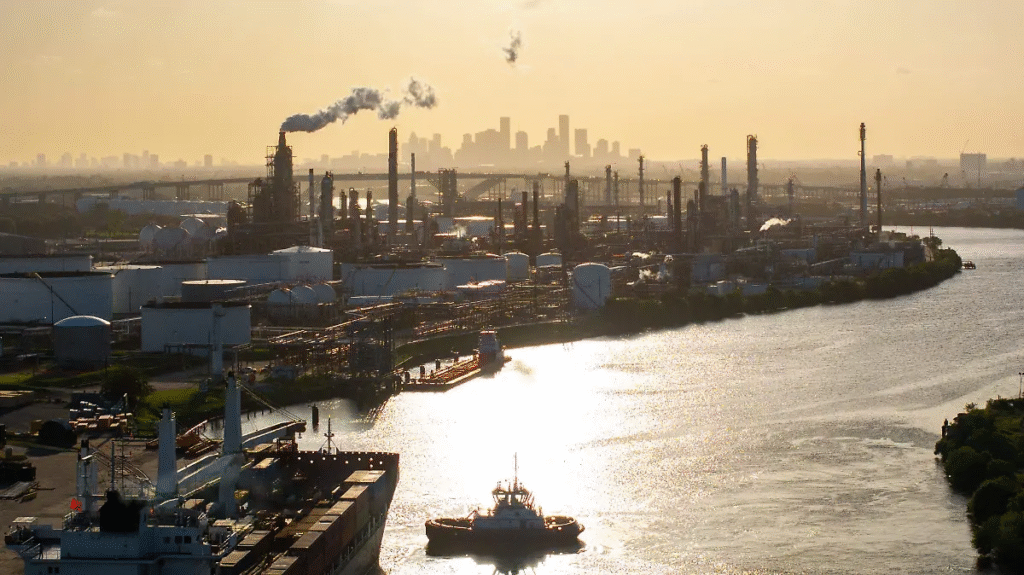
The main concerns of the markets are the possible impact of the US attack on Iran on oil prices and, consequently, on inflation / Image: AFP
«I think the markets are going to react alarmingly at first, and I believe oil will open higher,» said Mark Spindel, chief investment officer of Potomac River Capital.
«We do not have an assessment of the damages, and that will take some time.
Although he has referred to this as a ‘fact’, we are committed. What comes next?» Spindel asked.
«I believe uncertainty is going to blanket the markets, as now Americans around the world will be exposed. Uncertainty and volatility, especially regarding oil, are going to increase.»
Spindel, however, said there was time to digest the news before the market opened.

One of the main concerns for the markets would focus on the possible impact of events in the Middle East on oil prices and, therefore, on inflation, which could undermine consumer confidence and reduce the likelihood of an interest rate cut.
«This adds a new and complicated layer of risk that we will have to consider and pay attention to,» said Jack Ablin, chief investment officer at Cresset Capital.
«This will definitely have an impact on energy prices and potentially also on inflation.»
Before the United States attack on Saturday, analysts at Oxford Economics modeled three scenarios, including a de-escalation of the conflict, a complete shutdown of Iranian oil production, and a closure of the Strait of Hormuz, «each with increasingly greater impacts on global oil prices.»
In the most severe case, global oil prices would soar to about 130 dollars per barrel, pushing U.S. inflation close to 6 percent this year, Oxford notes in the report.