
Machines
Anthropic built a model of what A.I. does to the American paycheck. You can push the sliders.
Nibble, or upend. The lab behind Claude put the argument in public. Labor is already a number.
The Rocket News · Science · San FranciscoSeptember 9, 2026 · 4 min read
Anthropic, the lab behind Claude, released an interactive model on Wednesday that lets a reader test how artificial intelligence might nibble at the U.S. economy — or upend it — over the next few years. NPR timed the tool to this morning. In one slider, A.I. is a small technology and the economy stays on a normal path. At the other extreme, GDP soars and nearly 14 percent of workers lose their jobs to the machines, with fewer than half finding new ones. The Science desk files a slider where a white paper used to be. Assumptions, on a screen. Paychecks, off it.
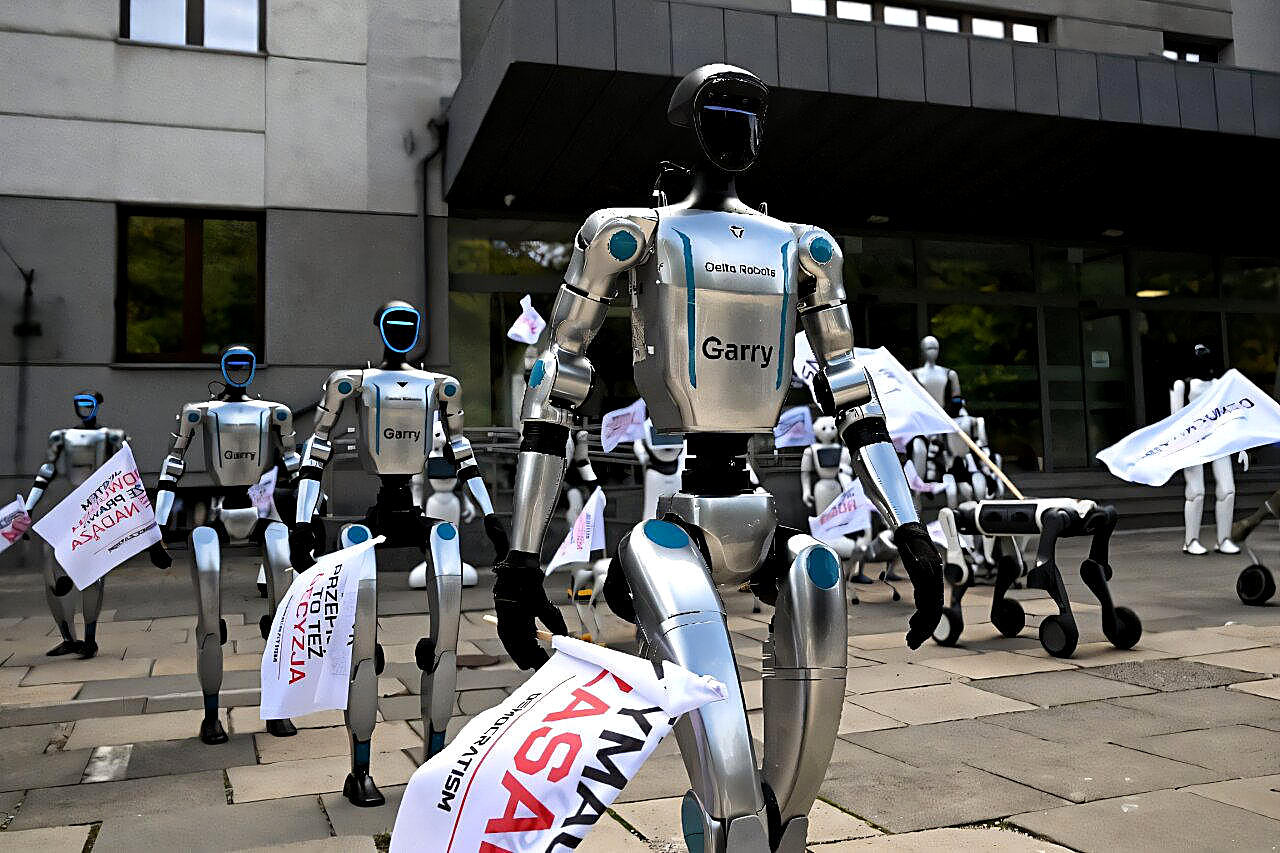
American information-sector unemployment is already 3.8 percent. Help desks are being rewritten as agents. Warsaw marched 30 robots to a ministry on Monday and asked for a law. The model does not settle the argument. It lets a household see the range. Nibble is a consulting word. A $4.22 gallon is not. The same morning, Brent is $100 because tankers are on fire. The machines and the strait are not separate stories. They are two ways a wage gets thinner.
Video
Wire and further reading: npr.org
Filed under Science
Keep reading

Space
Four astronauts splashed down off California.
SpaceX brought Jessica Meir, Jack Hathaway, Sophie Adenot, and Andrey Fedyaev home on Thursday after eight months. They had gone up in February to replace a crew sent home when a NASA astronaut fell ill.
Video · Associated Press
Maryland
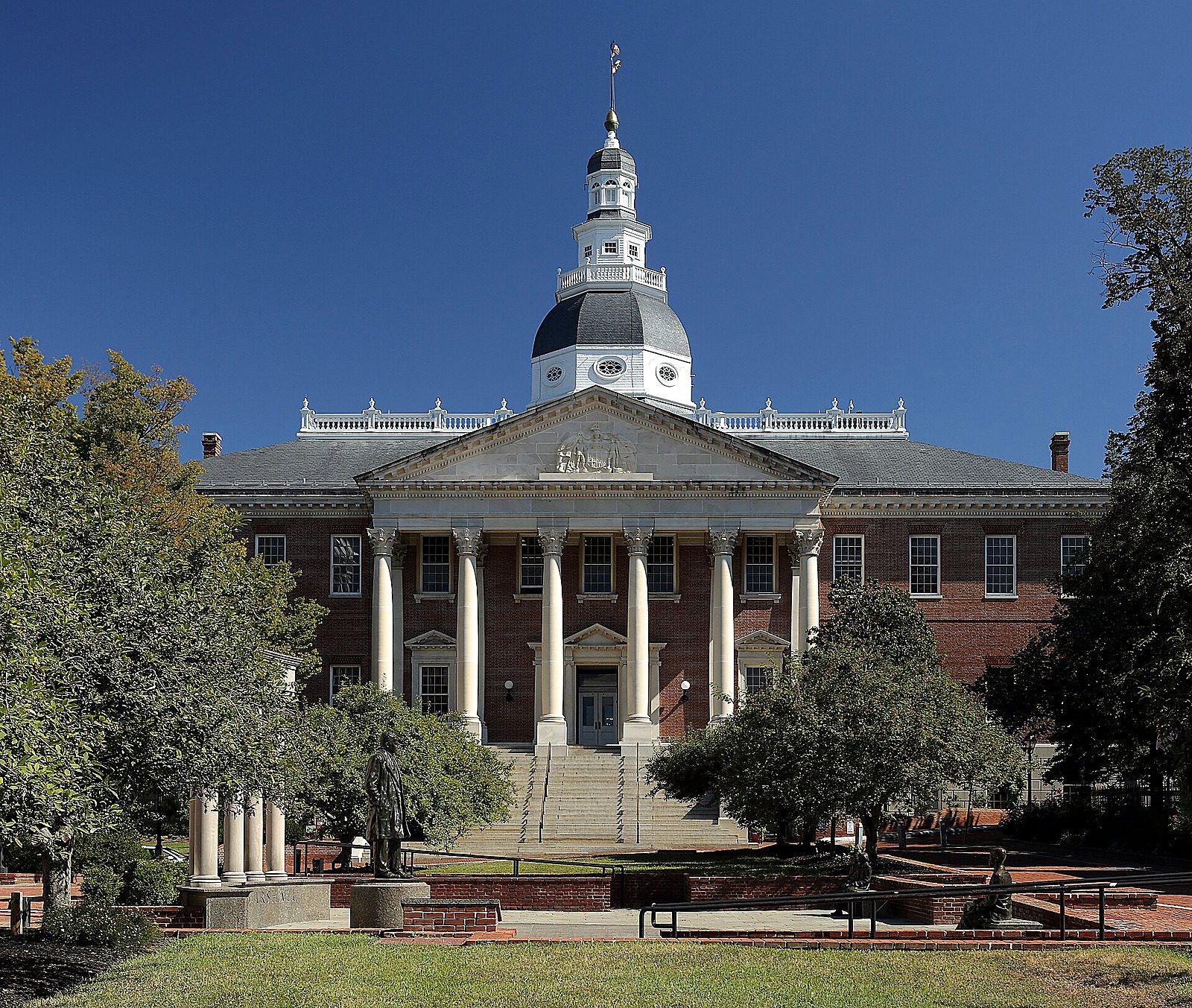
Maryland now flags a heart warning on a mammogram.
As of Oct. 1, mammography centers in the state must tell a patient if the scan shows breast arterial calcification, a finding linked to a higher risk of heart disease. The Washington Post said other states may follow.
The Court
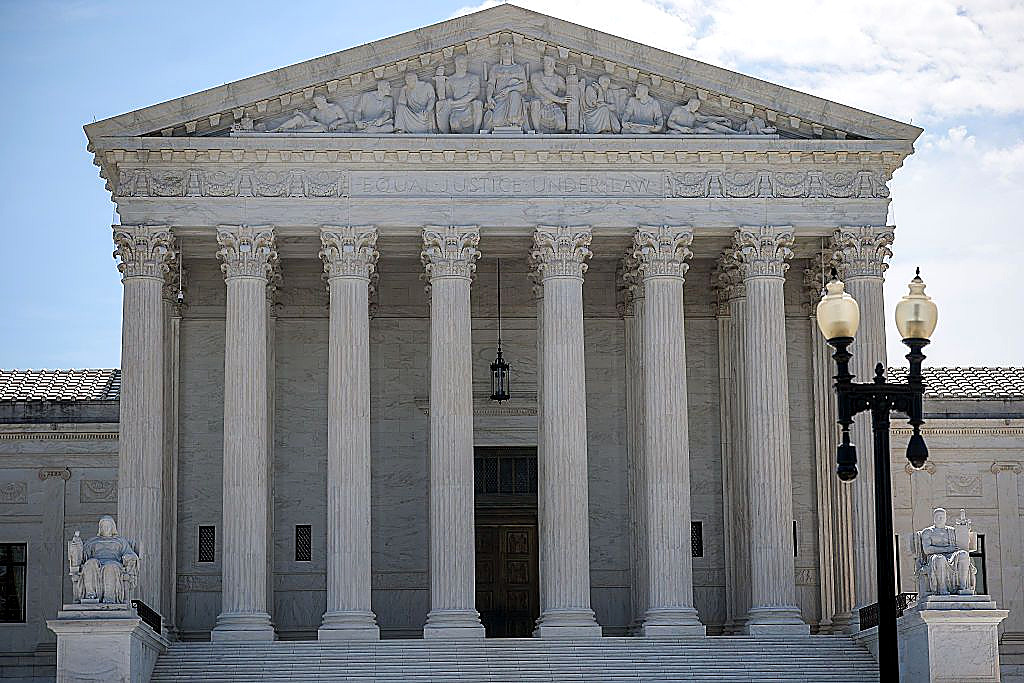
The Supreme Court heard Boulder’s climate suit and did not decide it.
The city and county want Exxon and Suncor to help pay for climate damage. Justice Alito, who owns oil stock, sat out. With eight justices, a tie would leave Boulder’s case alive.