
Washington
A dying star swallows its companion.
Reuters, Friday: astronomers watched a star seven times the mass of the sun engulf a smaller companion in the Andromeda galaxy. The paper is in Nature. The image was released November 18.
The Rocket News · Science Desk · WashingtonNovember 20, 2026 · 3 min read
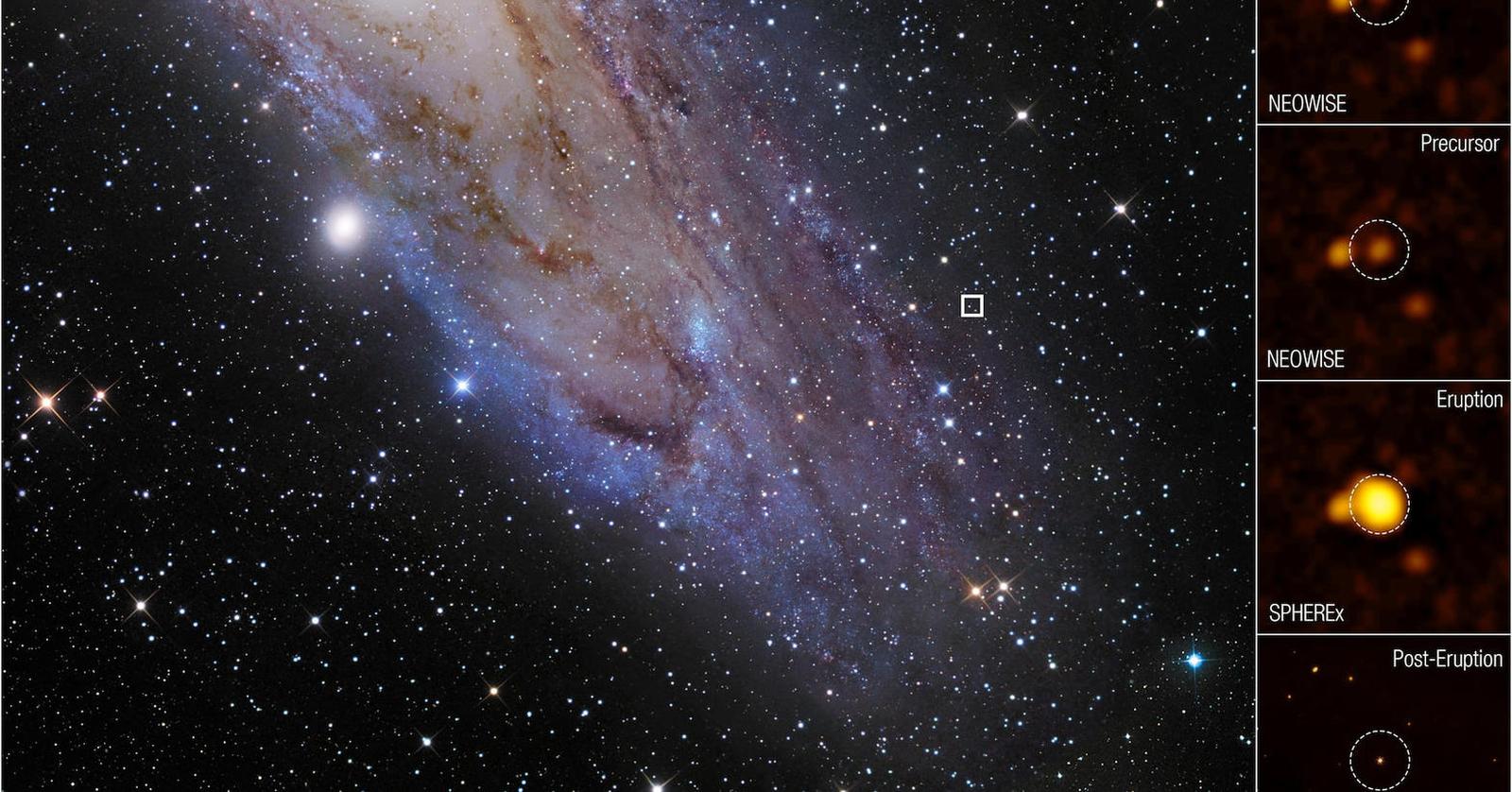
WASHINGTON — Astronomers watched a dying star swallow a smaller companion, and they saw it coming. Reuters reported on Friday that the larger star was seven times as massive as the sun and 18,000 times as bright. It sits in the Andromeda galaxy. The researchers spotted the engulfment coming nearly three years before it happened, then watched it. The work, led by Viraj Karambelkar of Columbia University, is in Nature.
Karambelkar said: "Giant stars engulfing their companion stars have been theorized for many decades, and understanding the outcomes of this process has important implications for explaining a wide range of systems that we see today in the universe."
Giant stars engulfing their companion stars have been theorized for many decades.
Reuters reported that the larger star swelled to 350 times the sun's diameter. The smaller one, about 70 percent of the sun's diameter, orbited at roughly the distance between Mars and the sun, and was taken in. The photograph uses observations from the James Webb Space Telescope in December 2025. NASA, the European Space Agency, the Canadian Space Agency, and the Space Telescope Science Institute released the frame on November 18, 2026, with Karambelkar. Friday's story is not that release date. No person is in the frame.
Wire and further reading: reuters.com
Filed under Science
Keep reading

Corvallis
Potatoes grow in moon soil.
Reuters, Thursday: a NASA-backed study grew Modoc potatoes in simulated lunar soil. With 30 percent vermicompost, the yield matched Earth soil from Hermiston, Oregon.
Guangxi
Eight teeth are Homo erectus.
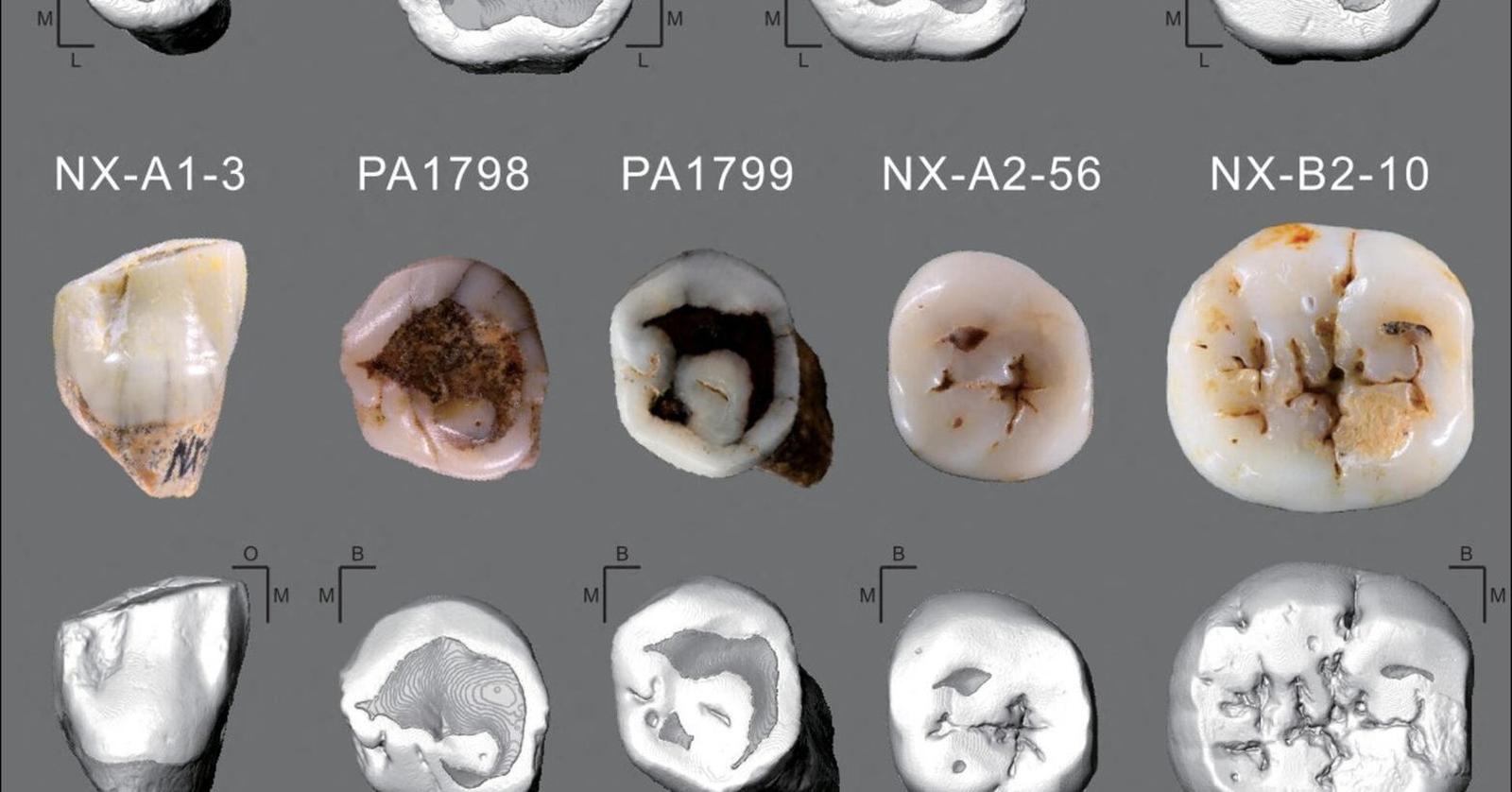
Reuters, Wednesday: eight teeth from two caves in Guangxi are Homo erectus, between 324,000 and 184,000 years old. The photograph is the teeth, released Wednesday.
Washington
Voyager 1 reaches a light-day on Wednesday.
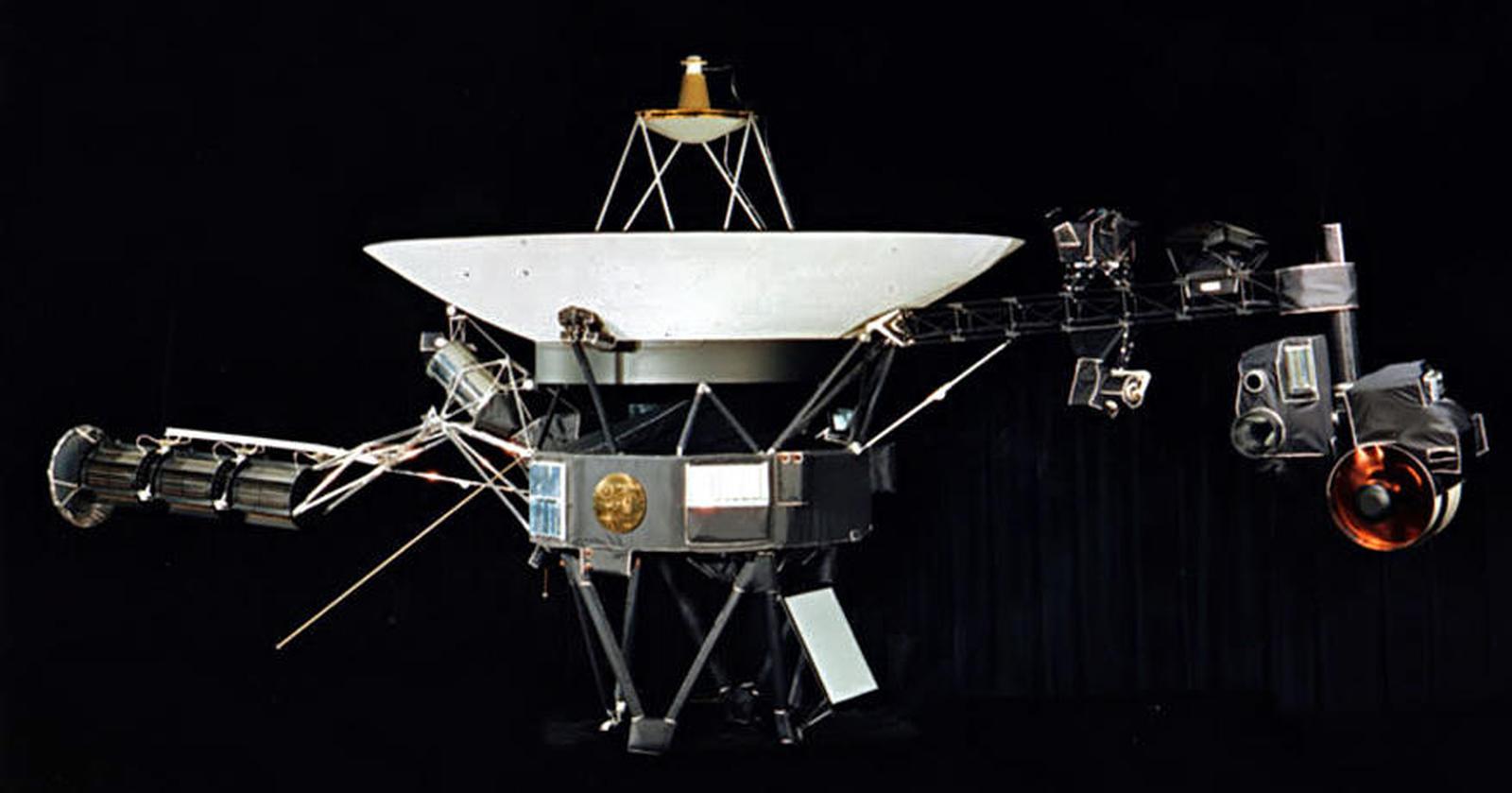
Reuters, from Washington: Voyager 1, launched in 1977, reaches one light-day from Earth on Wednesday at 5:16 a.m. ET. The craft in the photograph is a file, not Wednesday.