
Science
Hera shows the crater DART cut into Dimorphos.
Reuters, Wednesday: images from the European Space Agency's Hera spacecraft show one side of Dimorphos flattened by a stadium-sized crater. The asteroid is tumbling. The photograph was taken November 7.
The Rocket News · Science Desk · Darmstadt · 3 min read
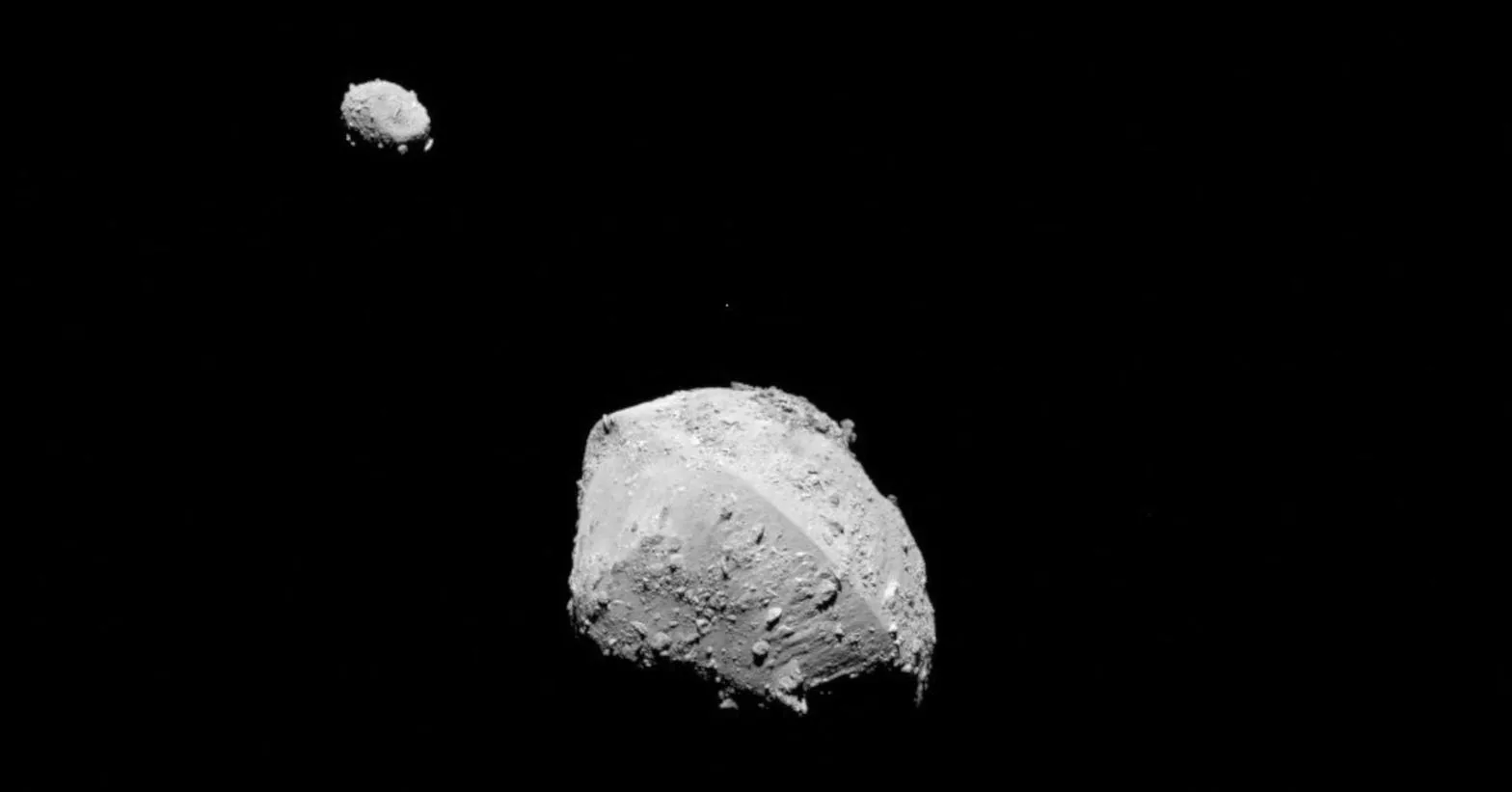
Dimorphos, the asteroid NASA's DART spacecraft struck on September 26, 2022, has one side flattened by a stadium-sized crater and is tumbling in space. Images from the European Space Agency's Hera spacecraft, released Wednesday, show the scar.
Dimorphos is an oblong rock about 495 feet, or 151 meters, across. It orbits Didymos, about 2,395 feet, or 730 meters, across. The pair is about 120 million miles, or 193.5 million kilometers, from Earth.
Dimorphos is now tumbling in a chaotic way. There are hundreds of boulders floating around in the system.
Michael Kueppers of the European Space Agency told Reuters: "Dimorphos is now tumbling in a chaotic way. There are hundreds of boulders floating around in the system."
Hera, about the size of a small car, is watching the two rocks from about 15 to 19 miles, or 25 to 30 kilometers.
The photograph was taken on November 7, 2026, by a camera on Hera, from 29 kilometers. Dimorphos fills the foreground. Didymos is the smaller body above it. ESA, handout, via Reuters. The frame is not Wednesday's release. No person is in it.
Wire and further reading: reuters.com
Filed under Science
Keep reading
Science
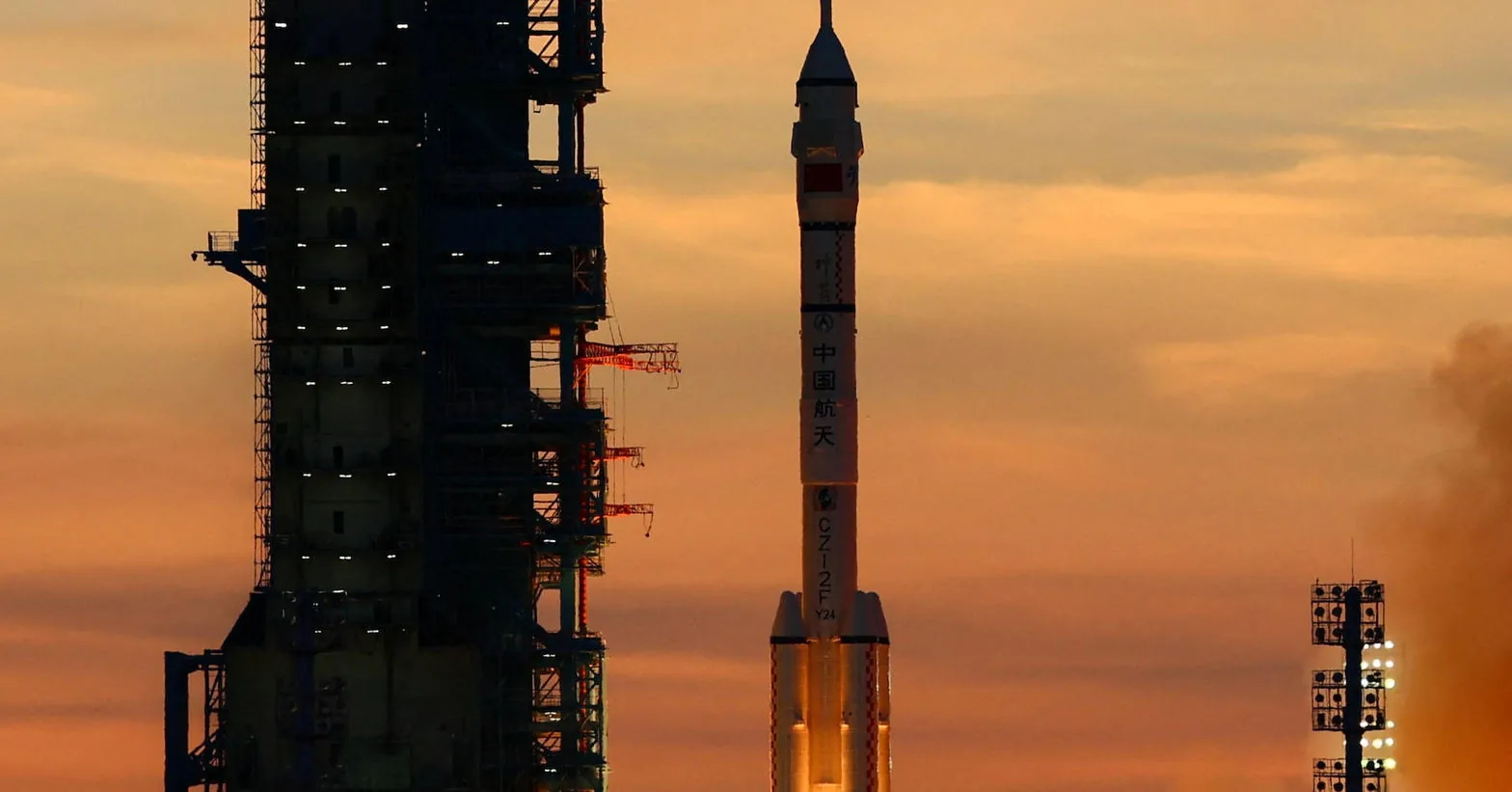
Shenzhou-24 lifts off from Jiuquan.
Reuters, Wednesday: the spacecraft launched at 8:18 a.m. China time, 0018 GMT, on a Long March-2F. The crew is Tang Hongbo, Wu Yi and Pakistani pilot Muhammad Zeeshan Ali. The photograph is the rocket, not the crew.

Science
Gavi aims to buy 1.5 million Bundibugyo doses.
Reuters, Tuesday: The vaccine alliance Gavi said it plans to purchase up to 1.5 million doses of a new experimental vaccine against the Bundibugyo species of Ebola if trials succeed. The outbreak in Congo has killed more than 5,700 people.
Darmstadt
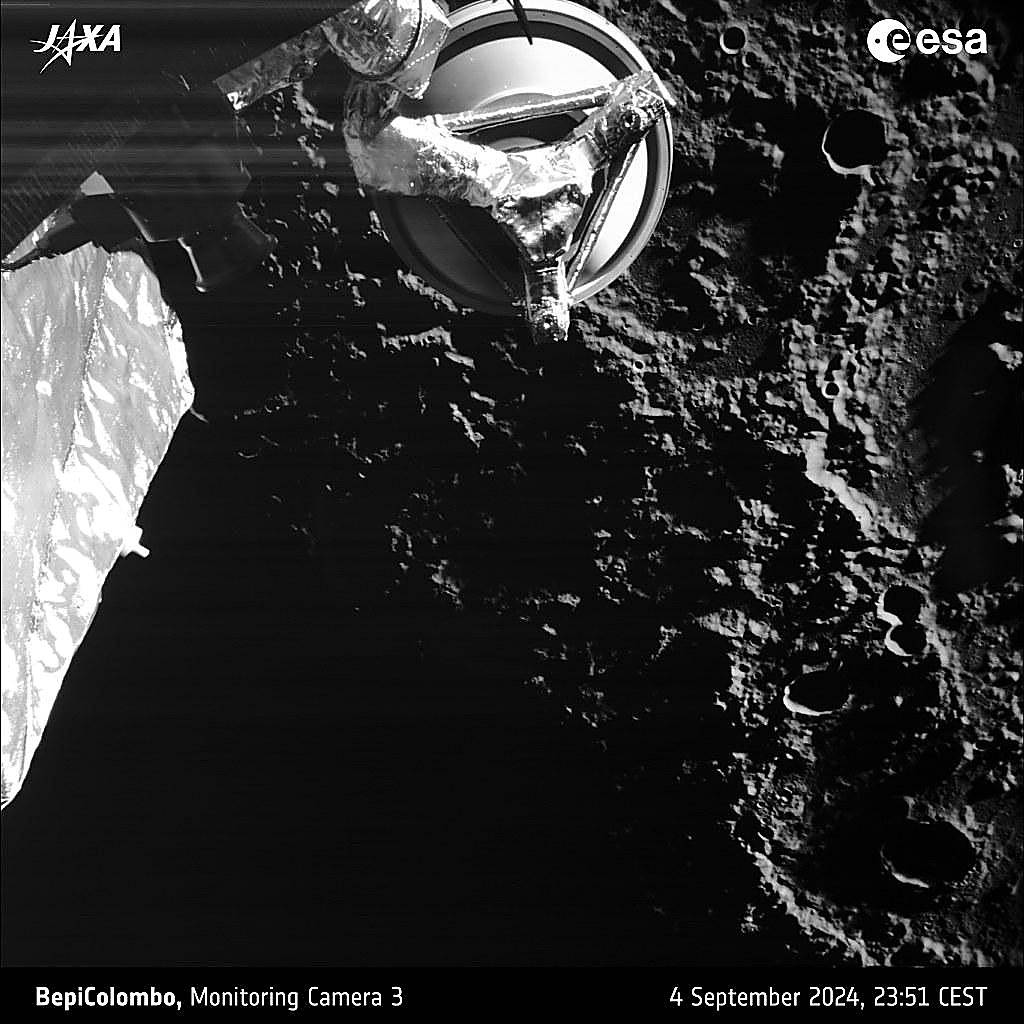
BepiColombo is in orbit around Mercury.
Reuters, Sunday: the European-Japanese spacecraft began orbiting Mercury after eight years. The European Space Agency said a thruster burn ran short.