
Evolution
One protein letter from Peking Man is still in living genomes.
Nature, May 13. Six Homo erectus teeth, about 400,000 years old. They share two enamel variants. One is new and found in no living person. The other is in Denisovans, and in 21 percent of people in the Philippines. The essay is this week. The paper is May.
The Rocket News · Science Desk · BeijingNovember 5, 2026 · 4 min read
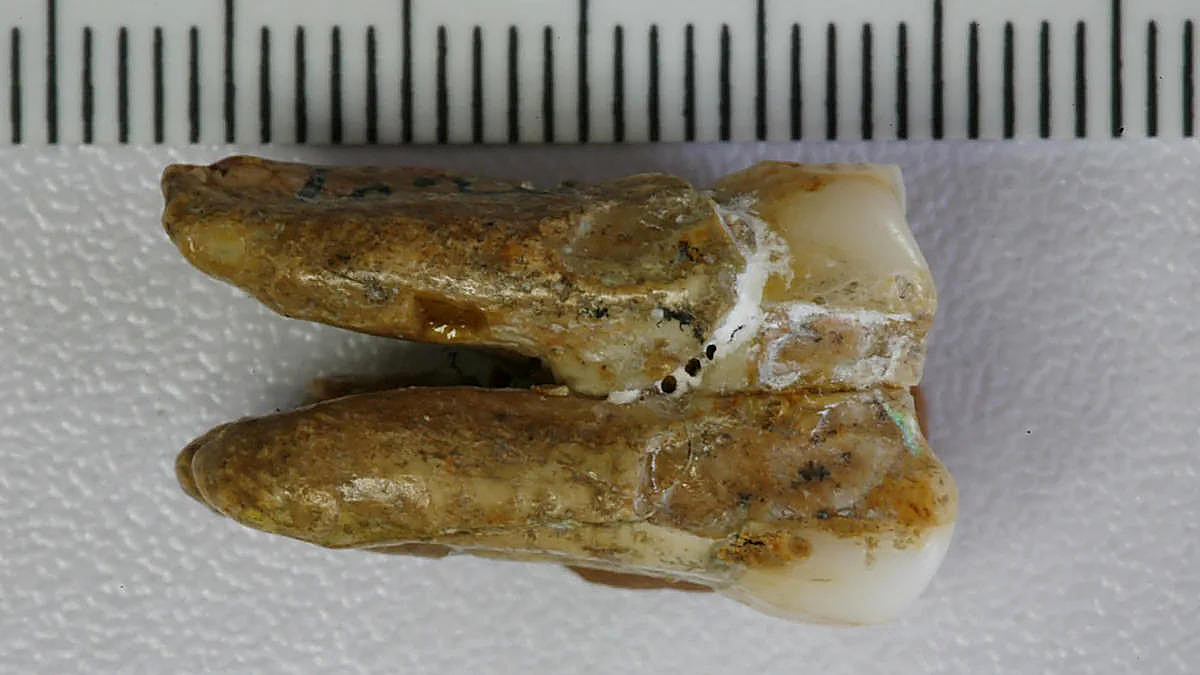
BEIJING — Qiaomei Fu and colleagues reported in Nature on May 13 that they recovered enamel proteins from six Homo erectus teeth, five of them male and one female, about 400,000 years old, from Zhoukoudian, Hexian, and Sunjiadong. All six share two amino-acid changes in the enamel protein AMBN. DNA at that age does not survive. The enamel does.
One change, A253G, the paper says had not been found in any other human lineage it checked: not in Homo erectus from Dmanisi, not in Homo antecessor from Atapuerca, not in Denisovans, not in Neanderthals, and not in modern humans. The other, M273V, had already been found in Denisovans. The paper says the evidence indicates that this second change may have entered Denisovans through populations related to these Middle Pleistocene Homo erectus. It says the parts of the Denisovan genome later passed to modern humans are likely to have come from Homo erectus, and that the two groups may have lived in the same parts of East Asia. The contact, the paper says, is presumed.
The H. erectus-derived variant identified today has unknown functional consequences – that remains an open question.
The paper gives the frequency of that Denisovan-linked change in living people: 21 percent in the Philippines, 1.17 percent in India, 0.71 percent in Papua New Guinea, and absent from most other modern populations. Sally Christine Reynolds, of Bournemouth University, in an essay ScienceDaily published on November 5, wrote: “The most reasonable interpretation is that Homo erectus populations in east Asia passed this variant to Denisovans through interbreeding, and Denisovans later passed it on to the ancestors of modern south-east Asians and Oceanians.” She also wrote: “The H. erectus-derived variant identified today has unknown functional consequences – that remains an open question.” This desk does not print the May paper as a Thursday discovery. The essay is Thursday. The teeth are May. The photograph is a Homo erectus tooth from Zhoukoudian, one of the specimens in the analysis, as published with the May coverage. It is not a portrait, and it is not a stock drawing.
Wire and further reading: doi.org
Filed under Science
Keep reading

Space
Four astronauts splashed down off California.
SpaceX brought Jessica Meir, Jack Hathaway, Sophie Adenot, and Andrey Fedyaev home on Thursday after eight months. They had gone up in February to replace a crew sent home when a NASA astronaut fell ill.
Video · Associated Press
Maryland
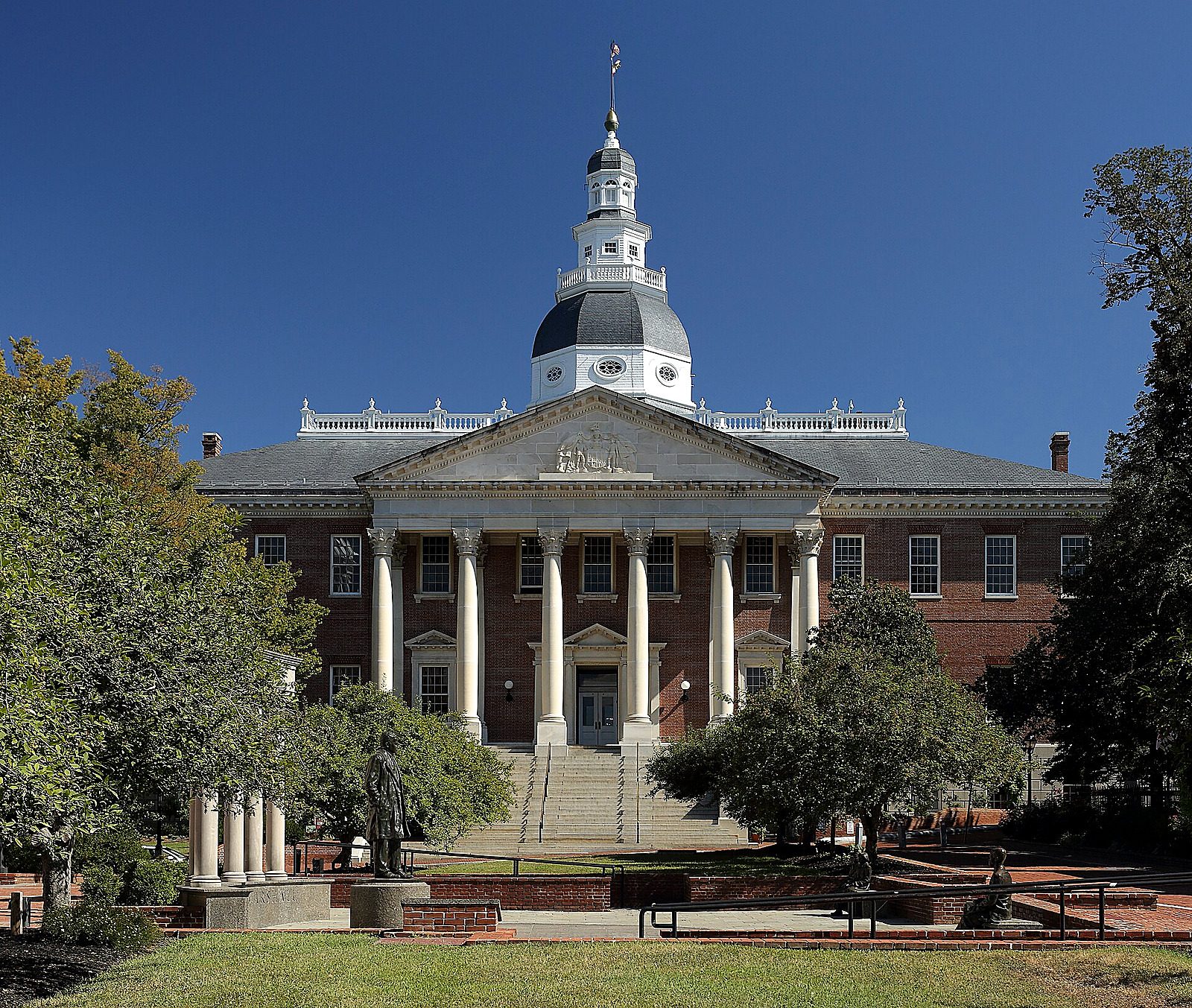
Maryland now flags a heart warning on a mammogram.
As of Oct. 1, mammography centers in the state must tell a patient if the scan shows breast arterial calcification, a finding linked to a higher risk of heart disease. The Washington Post said other states may follow.
The Court
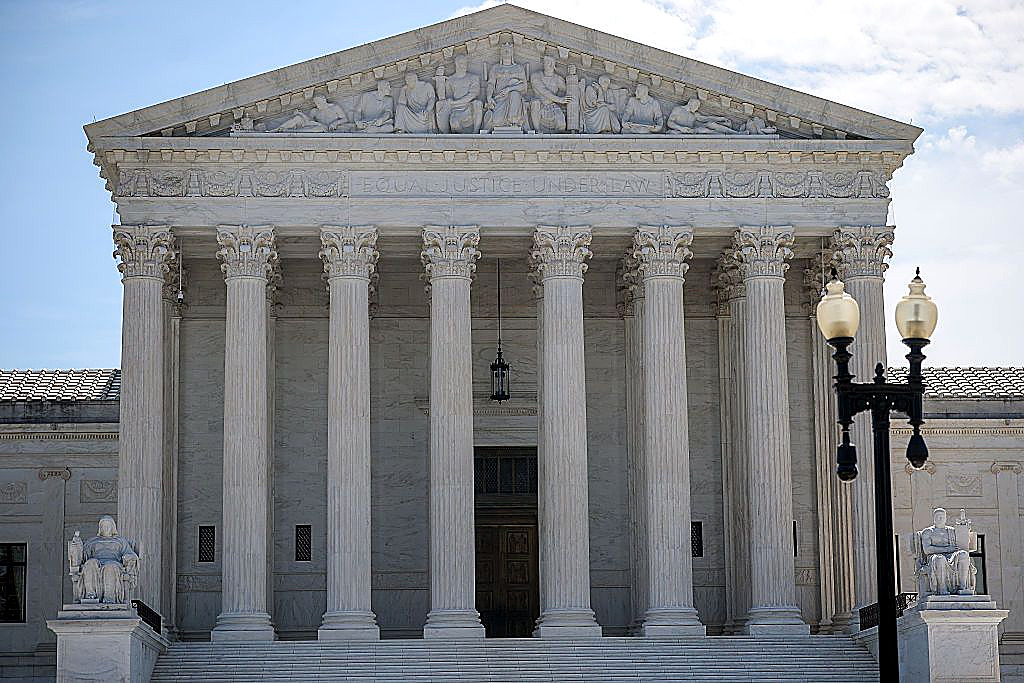
The Supreme Court heard Boulder’s climate suit and did not decide it.
The city and county want Exxon and Suncor to help pay for climate damage. Justice Alito, who owns oil stock, sat out. With eight justices, a tie would leave Boulder’s case alive.