
Editorial
The Metamorphosis of Learning
From the wide-ruled notebook to the tablet. Are we shaping thinkers, or users?
Paco Baca · Editor · WashingtonSeptember 21, 2026 · 5 min read
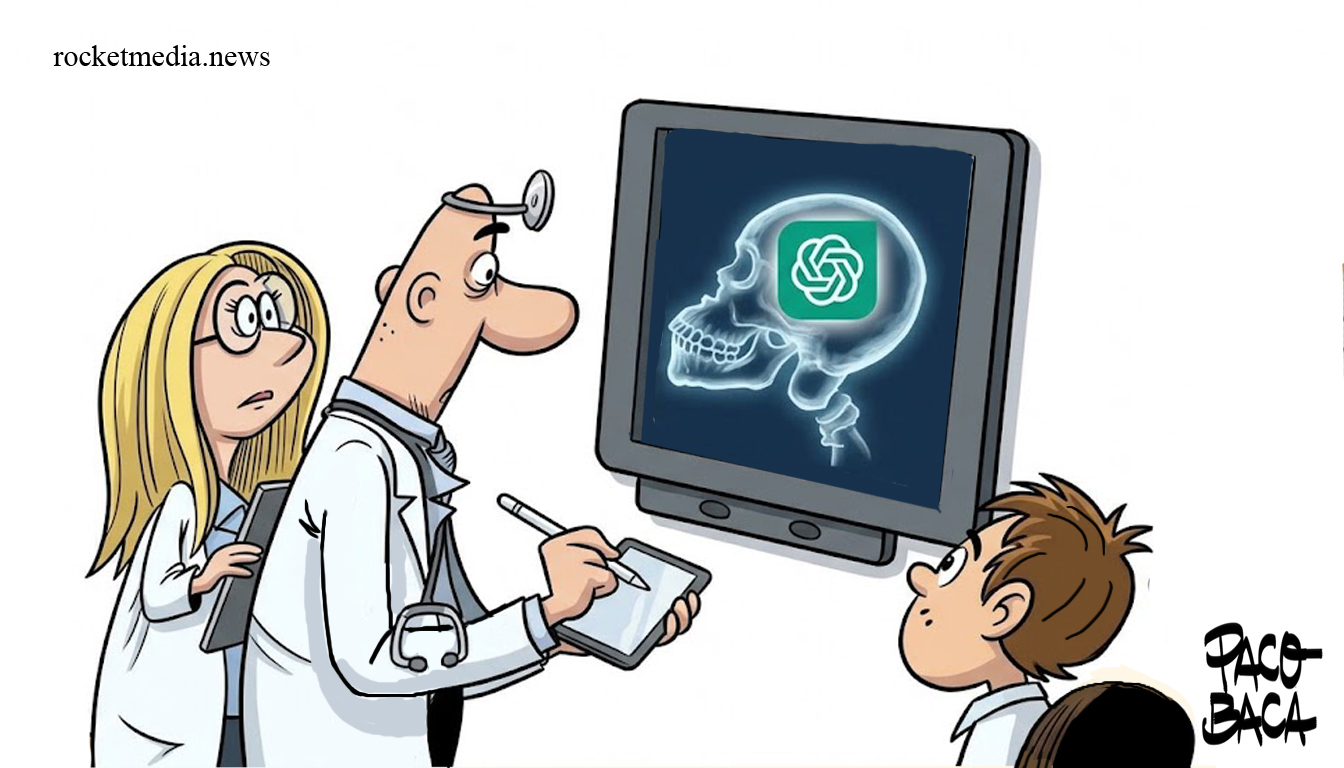
Editorial by Paco Baca.
In the 1970s, a student sat in front of the blackboard with a wide-ruled notebook, copying dictations and memorizing formulas as if engraving them in stone. Knowledge was a linear path: teacher, book, repetition. Patience was a virtue, and memory the only survival tool in school.
Today, a child slides a finger across a tablet screen and receives instant answers from educational apps that adjust difficulty according to performance. Artificial intelligence has become the invisible tutor, capable of measuring attention, correcting mistakes in real time, and even recommending breaks to avoid cognitive fatigue. Neuroscience confirms these tools improve working memory and problem-solving skills, though it warns: sustained concentration erodes in an ocean of digital stimuli.
The risk is obvious—learning faster may mean thinking less.
The comparison is brutal: while the seventies student relied on discipline and hours spent in libraries, today’s pupil navigates algorithms that offer cognitive shortcuts. The risk is obvious—learning faster may mean thinking less.
Future scenarios are drawn in light and shadow. The next generation of professionals will enter the labor market with skills to interact with intelligent systems, yet distanced from the ability to internalize real problems caused by human error. They will have to prove they are not mere machine operators. Creativity, digital ethics, and critical thinking will be the most valuable currencies in societies where automation threatens to devour routine jobs.
The question is stark: are we shaping autonomous thinkers or obedient platform users? The answer will depend on how we choose today to balance technological fascination with humanist education. Because AI, like an educational scalpel, can open paths toward unprecedented intellectual autonomy… or become the silent executioner of critical thought.
When we look back at old school yearbooks, we see the student of the 1970s carrying books; today’s student carries more than books—algorithms sprouting on the screen like a digital Library of Alexandria, immediate and announced by Wi-Fi. Tomorrow’s student will carry, along with humanity’s compendium, ethical dilemmas. And there lies the true battle for education and freedom of thought.
Just another quirk of modern times.
Filed under Opinion
Keep reading
Editorial
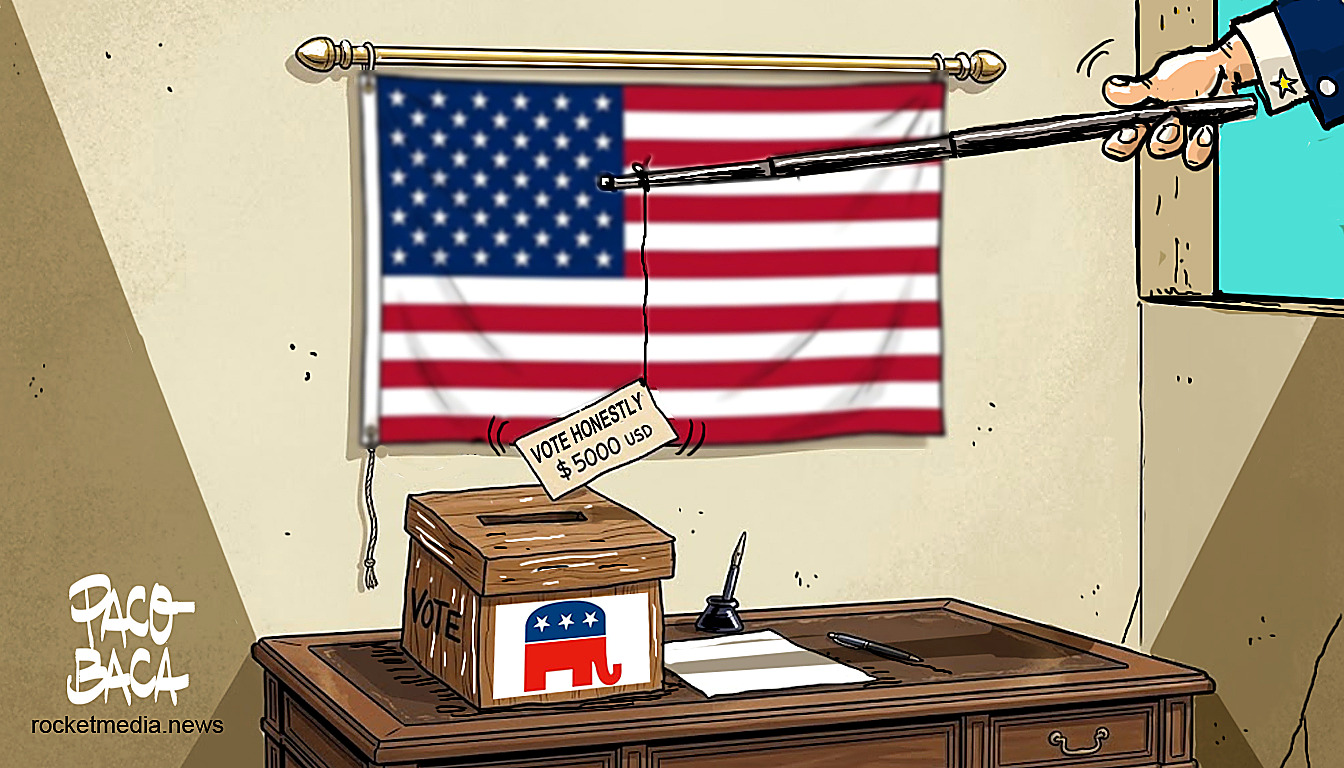
Fantas, hot dogs and red-cap populism
A $5,000 “Trump dividend” if Republicans keep Congress. Helicopter money. T.A.C.O. The long arm of the law is still waiting.
Editorial
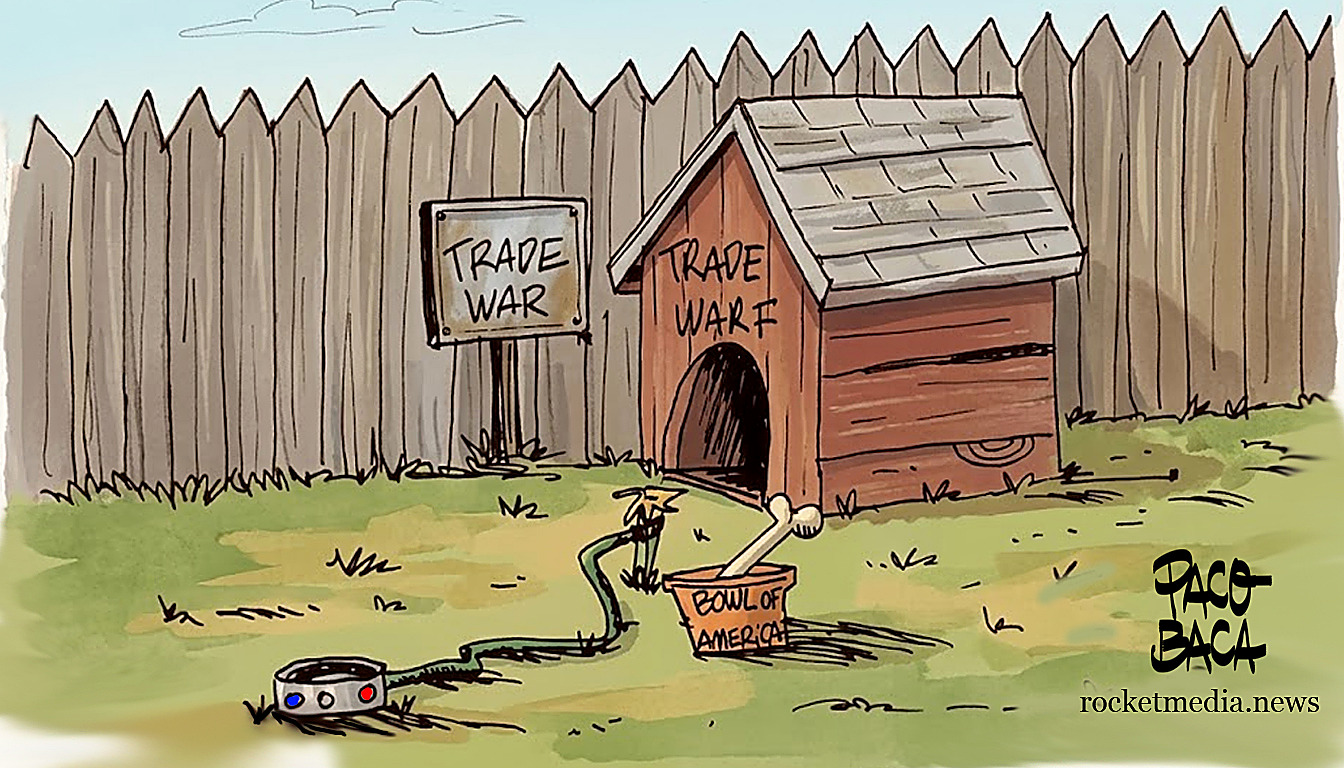
Tariffs, Midterms, and NAFTA’s Ghost
Trump’s trade war with Canada is not just about lobsters and lumber — it’s about ballots.

Editorial
“Demencrazy” on the Road to the Strait of Hormuz
The Strait of Hormuz has turned into a funnel of gunpowder. Nothing is written, no matter how much the promoters of Demencrazy want to make it seem.
Video · Paco Baca