
Technology
Musk loses OpenAI case as a California court cites the clock
A federal jury in Oakland finds the lawsuit time-barred — a strategic win for Sam Altman on the road to a public offering.
The Rocket News · Economy · OaklandMay 18, 2026 · 6 min read

A federal court in California dismissed Elon Musk’s lawsuit against OpenAI and its chief executive, Sam Altman, ruling that the complaint arrived after the statute of limitations had closed. The verdict, returned by a nine-member jury in Oakland, is a strategic victory for the company behind ChatGPT at the precise moment it is trying to look like a company that can be taken public.
Musk accused OpenAI and Microsoft of breach of contract and unjust enrichment — of betraying a founding mission as a nonprofit devoted to artificial intelligence “for all of humanity.” OpenAI called the suit a campaign of envy dressed as principle, an attempt to hobble a competitor with the court system after the marketplace had already chosen a winner.
The founding myth of OpenAI has now been litigated, and the clock ran out before the myth did.
Video
Play videoOpens on BBC NewsThe trial, which opened on April 28, turned on emails as much as on philosophy. OpenAI’s counsel introduced messages in which Musk’s own advisers discussed what equity the billionaire might hold if the laboratory ceased to be a charity. The documents did not prove that Musk was a hypocrite. They proved that the story of purity was never as simple as the complaint required, and that California’s clock did not care about the sermon.
OpenAI was founded in 2015 by Altman, Greg Brockman, Musk, and others as a nonprofit. Musk put nearly $45 million into the early years and left the board in 2018 as the relationship soured. In 2019 the lab reconstituted itself as a capped-profit company and bound itself to Microsoft. That transformation is the original sin in Musk’s telling and the original business model in Altman’s.
Analysts now treat a future OpenAI offering as a milestone for the industry, not merely a payday. The Oakland ruling does not settle the moral argument. It settles the venue. The argument moves back to the market, where Musk has his own laboratory and Altman has the product the world already uses.
Filed under Economy
Keep reading
Prices
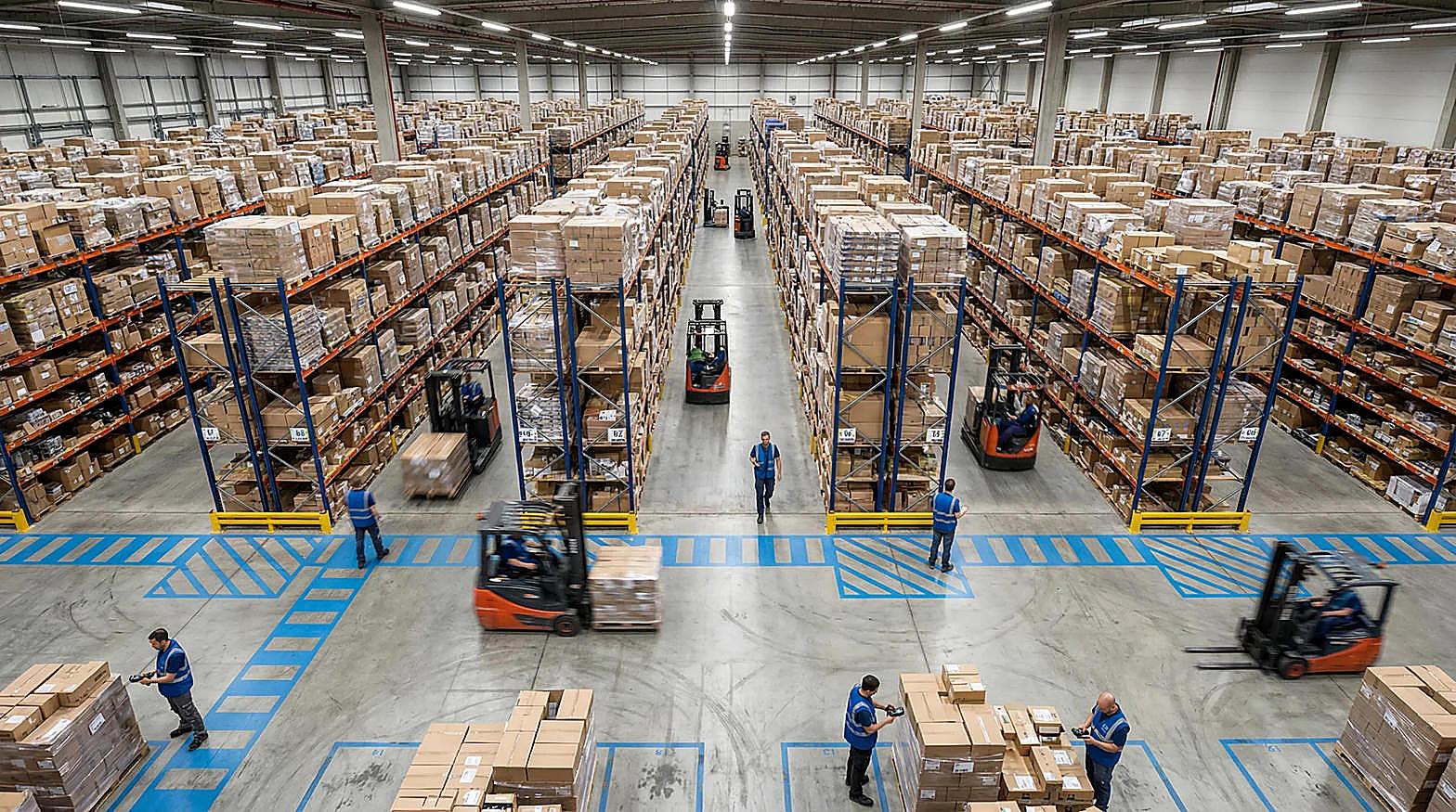
Wholesale prices rose 6.3 percent.
The producer-price index jumped 1.3 percent in September, the biggest monthly gain since March 2022. Energy prices for producers rose 10.8 percent. Economists had expected a much smaller move. Social Security’s cost-of-living raise for next year is 3.6 percent.
Prices
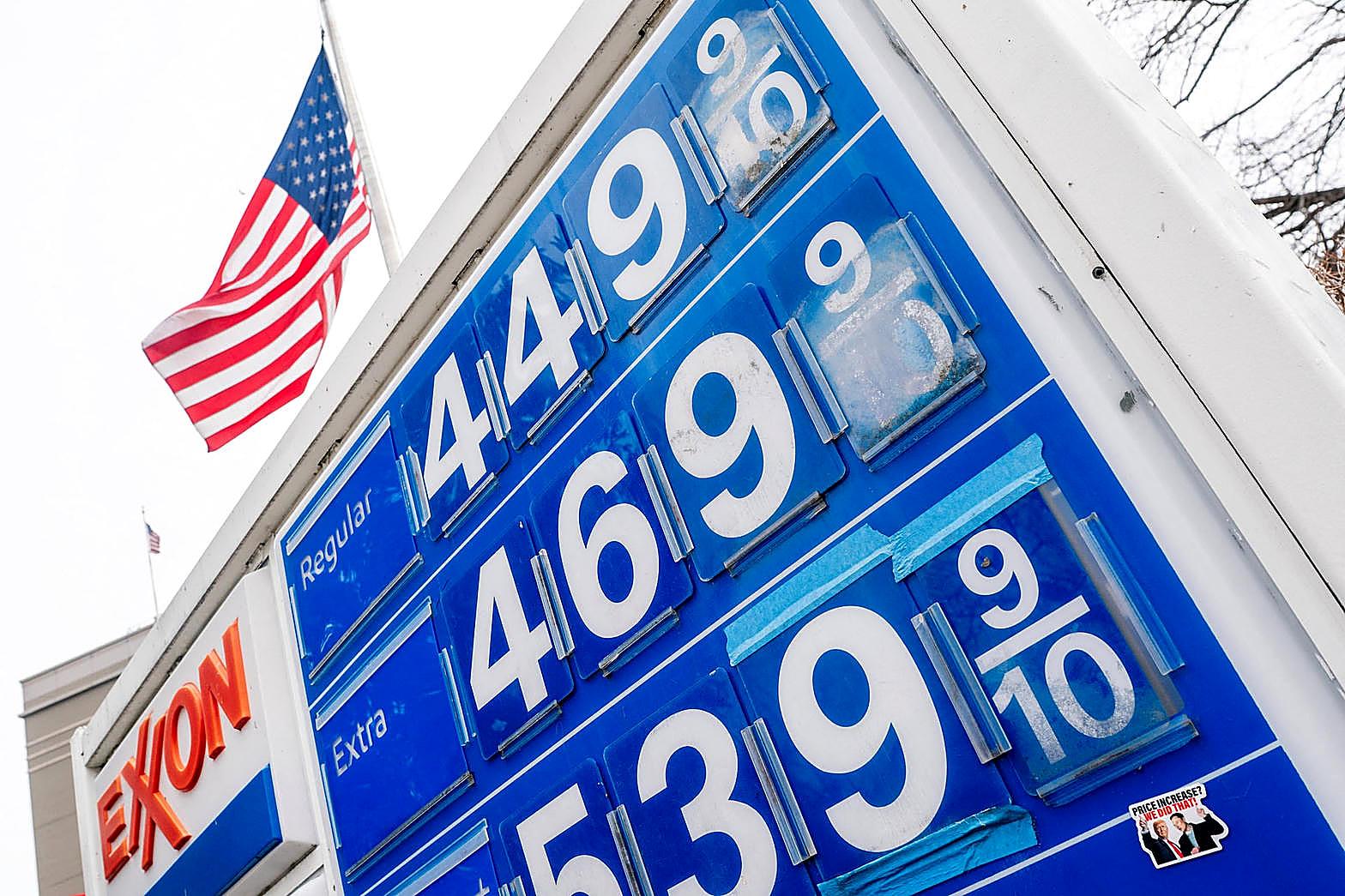
September prices rose 3.7 percent.
The Consumer Price Index gained 0.6 percent in the month, more than economists expected over the year. Gasoline did the lifting. Core inflation rose to 2.6 percent. The Fed meets again on Oct. 27.
Markets
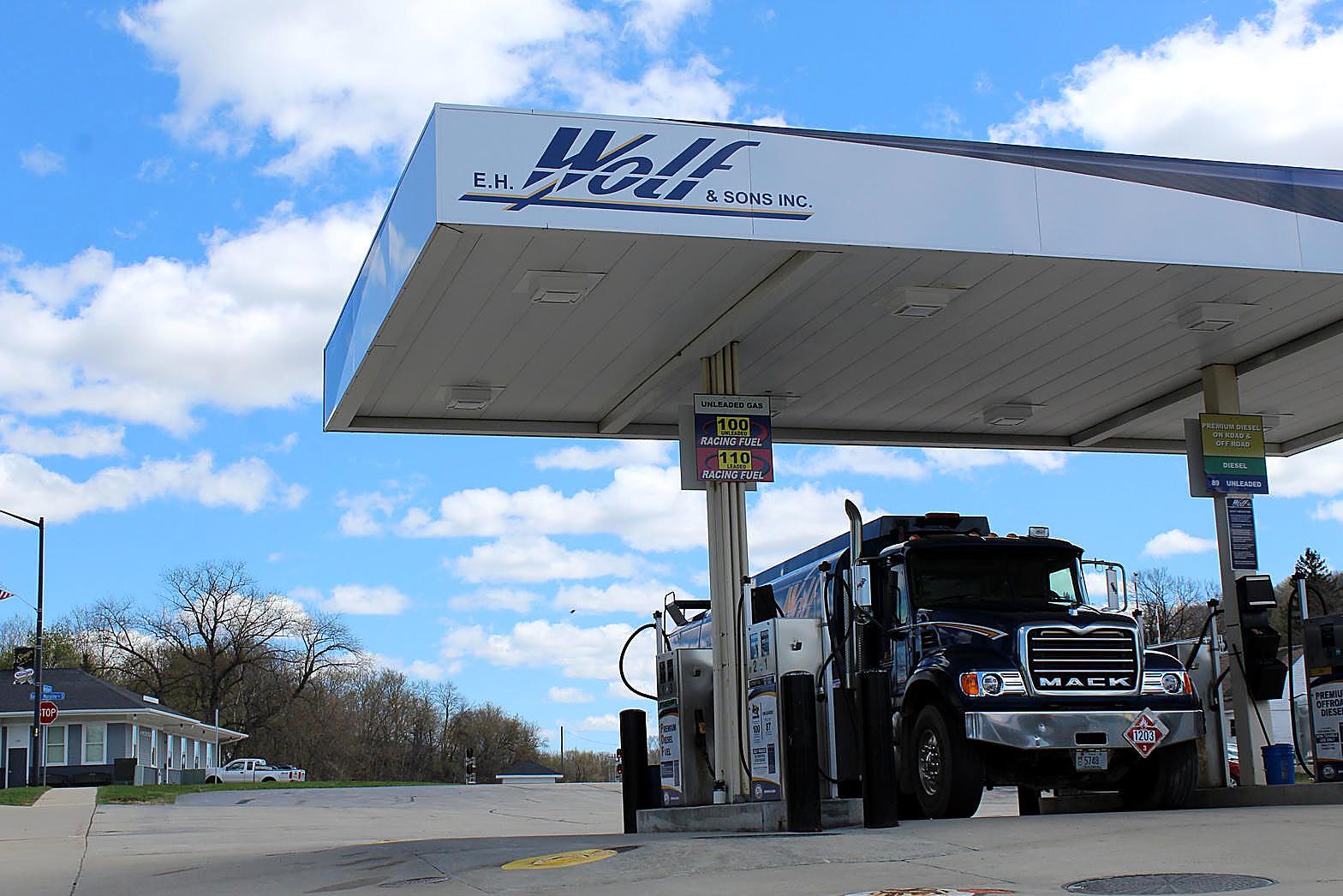
Stocks were mixed at midday, and diesel was $6.27.
At 12:12 p.m. Eastern the Dow was up 228 points and the Nasdaq was down 0.2 percent. Energy shares rose with the oil price. AAA’s national diesel average on Monday was $6.27 a gallon.