
From the Newsroom
The Panda's Tightrope Act
Technology may evolve at breathtaking speed, but human vulnerabilities remain remarkably unchanged.
Paco Baca · EditorNovember 18, 2026 · 6 min read
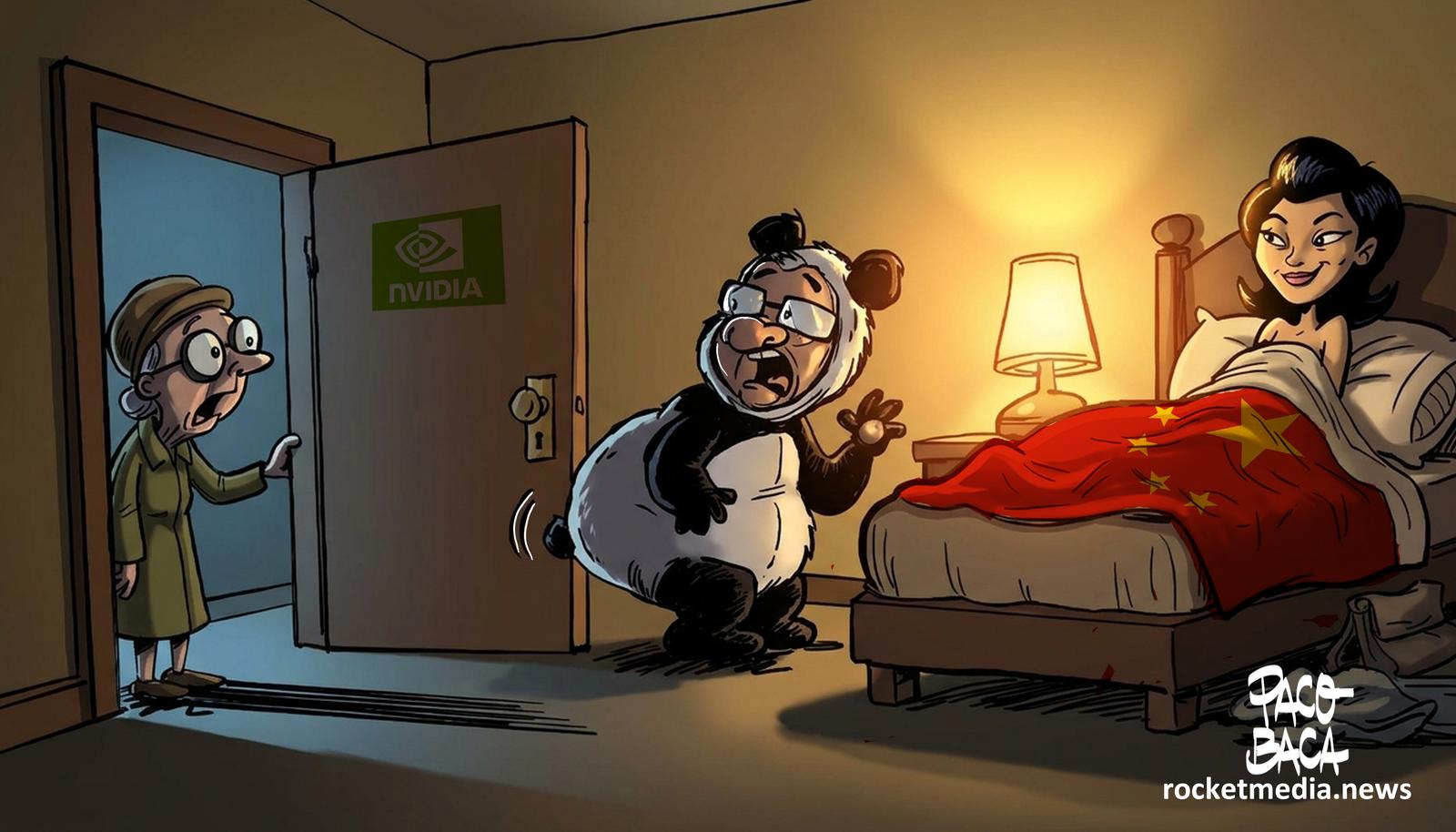
For years, Washington convinced itself that China’s technological ambitions had been safely locked inside a regulatory cage. The world's most advanced AI chips were under strict export controls. National security experts spoke confidently. Politicians reassured the public. The future of artificial intelligence, they implied, would continue speaking English.
Then came the panda's tightrope act.
The real question is whether anyone still believes the next shipment can be stopped.
The story has all the ingredients of a classic spy thriller: billions of dollars at stake, a global race for artificial intelligence supremacy, intelligence agencies operating in the shadows, and allegations involving a Chinese operative who reportedly used personal relationships to gain proximity to one of the most influential figures in the semiconductor industry.
It sounds like fiction.
That is precisely what makes it so unsettling.
Because behind every sophisticated processor, every export restriction, and every geopolitical strategy lies an inconvenient truth: technology may evolve at breathtaking speed, but human vulnerabilities remain remarkably unchanged.
Governments build walls.
Markets build tunnels.
Spies look for doors.
And someone eventually finds a way through.
What makes the Nvidia affair so significant is not merely the possibility of espionage. It is what the episode reveals about the illusion of control. While policymakers were drafting regulations and celebrating new restrictions, global supply chains continued doing what they do best: finding alternate routes.
The United States believed it could contain the flow of strategic technology.
China believed it could catch up.
The market simply saw another opportunity.
This is no longer a dispute about semiconductors. It is a struggle over who will dominate the defining technology of the twenty-first century. Artificial intelligence is becoming the new geopolitical currency, and advanced chips are the mint where that currency is produced.
The irony is impossible to ignore.
The same champions of globalization who once celebrated the unrestricted movement of capital, technology, and commerce are now discovering that those forces rarely obey political boundaries.
When globalization favored profits, it was hailed as progress.
When it favors competitors, it suddenly becomes a threat.
Too late.
The panda is already performing its act.
The eagle watches nervously from above.
And the rest of the world is discovering that the new Cold War will not be fought with tanks, bombers, or nuclear submarines.
It will be fought with algorithms.
With data centers.
With tiny pieces of silicon capable of shifting the balance of global power.
The real question is no longer how the chips got there.
The real question is whether anyone still believes the next shipment can be stopped.
Because in this new era of espionage, artificial intelligence may be the weapon of choice.
But human nature remains the oldest vulnerability in the world.
The dragon is awake. The eagle is alarmed. And the marketplace is caught in the middle.
Editorial and Cartoon by Paco Baca.
Filed under Opinion
Keep reading
Editorial
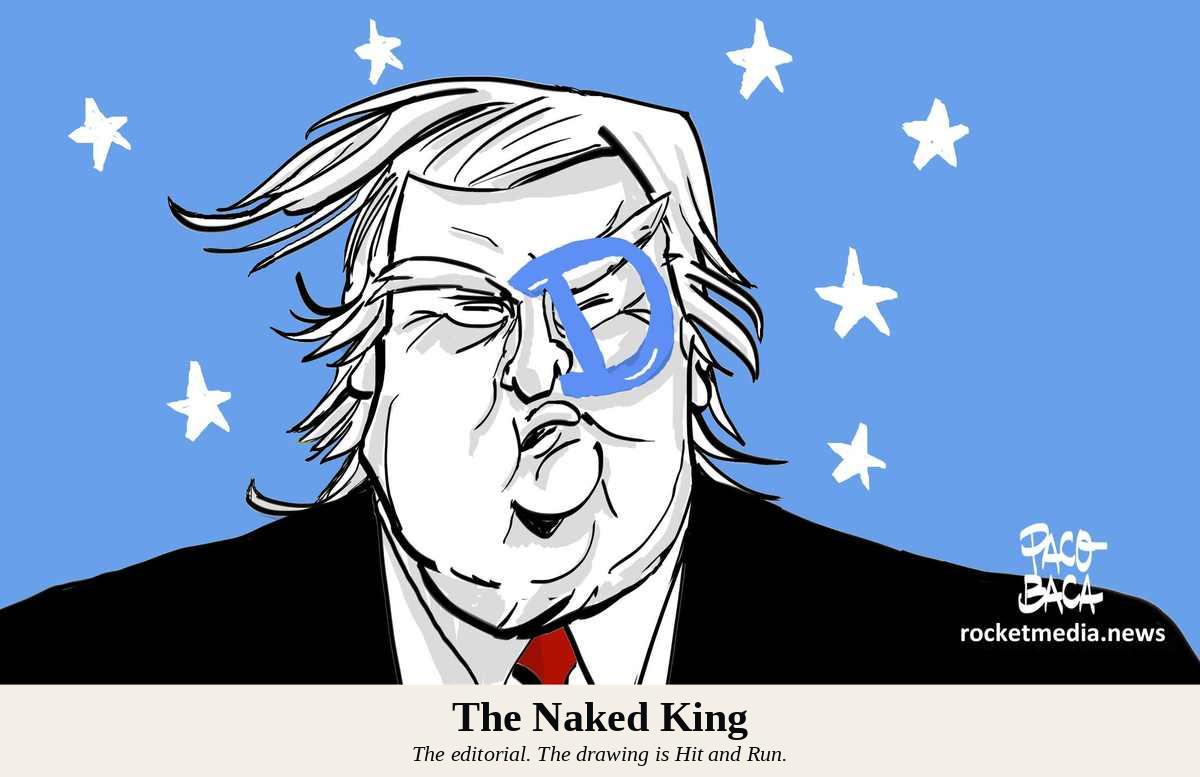
The Naked King and the Lame Duck of the Apocalypse
Trump learns that ballot boxes can punch back.
Editorial
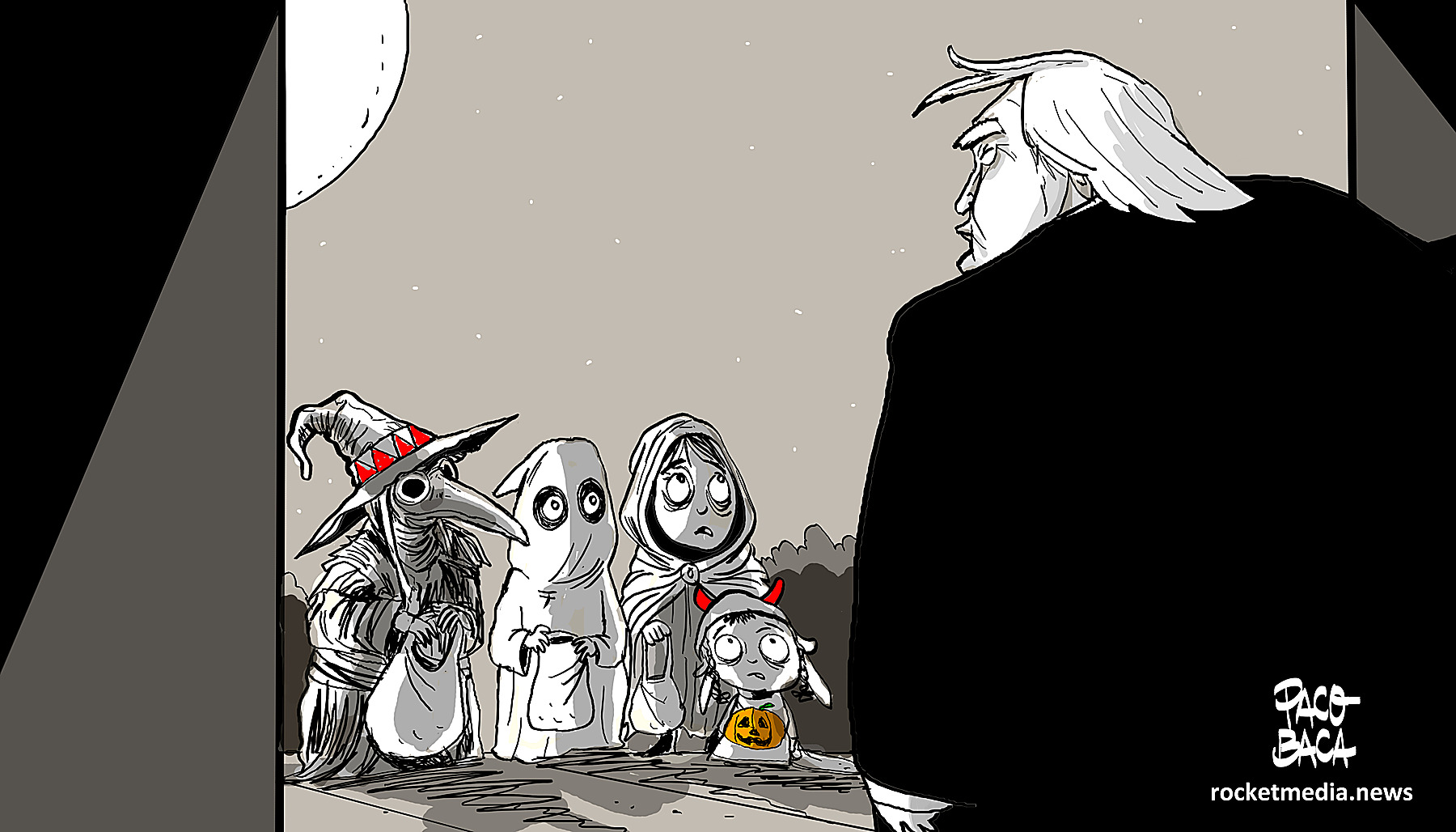
The Return of the Great Orange Pumpkin
Linus is still in the pumpkin patch. The Great Pumpkin now has an office in Washington.

Editorial
The Diesel of Democracy
The road to electoral salvation runs through Moscow’s fuel depots.