
National security
The Pentagon starts unsealing the U.A.P. drawer
One hundred sixty-two files — blurry photographs, old cables, an Apollo still — and a presidential dare: decide for yourselves.
The Rocket News · Washington Bureau · WashingtonMay 8, 2026 · 6 min read
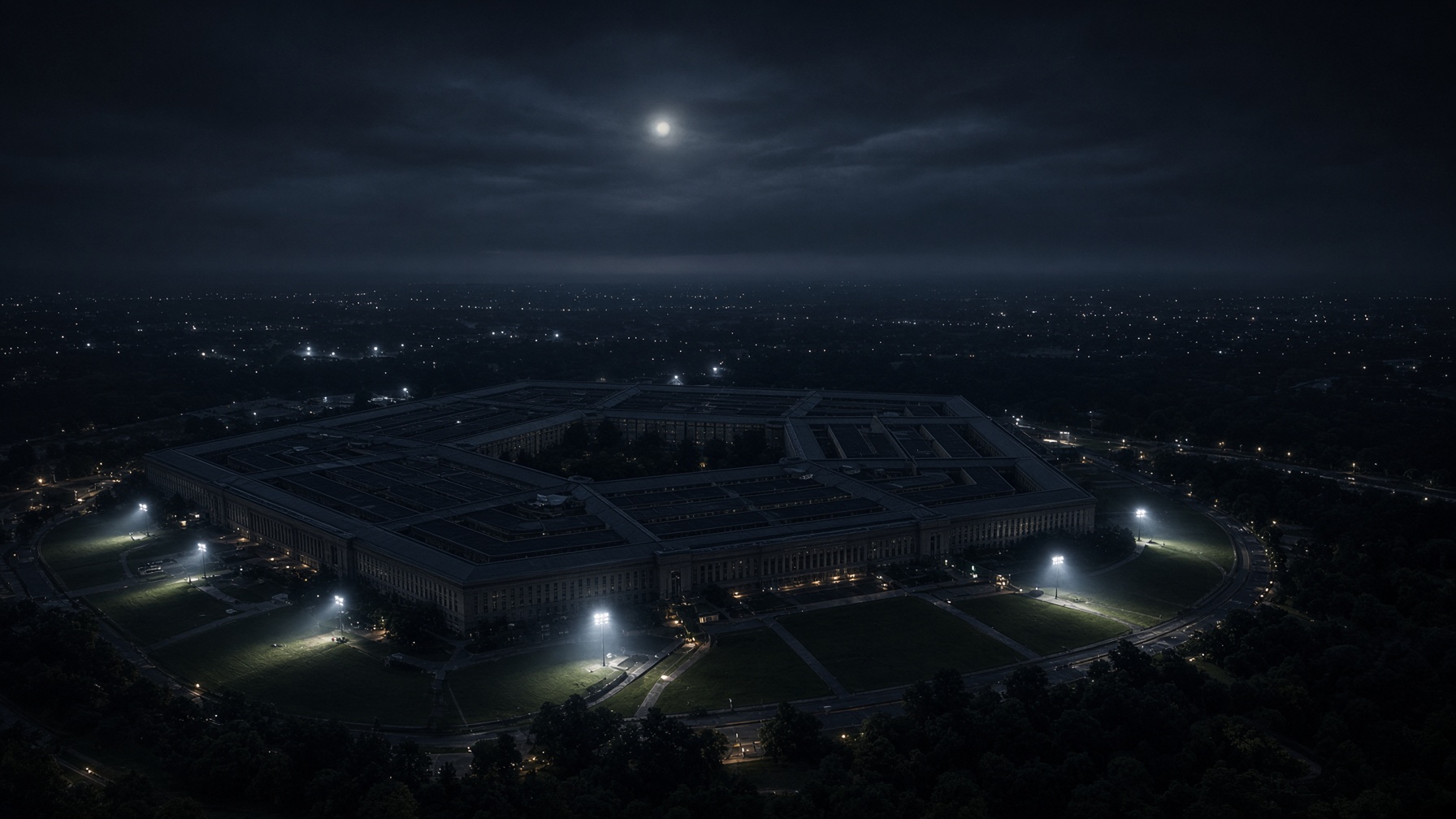
After a February order from President Donald Trump, the Department of Defense has begun declassifying government files on Unidentified Anomalous Phenomena — the bureaucratic name for what the country still calls UFOs. The first public batch, posted for “review and study,” includes photographs, video, old State Department cables, F.B.I. papers, and NASA transcripts. The count is 162. The promise is more, on a rolling basis, every few weeks.
The images are exactly as unsatisfying and as magnetic as conspiracy culture predicted. Blurry objects. An eight-pointed shape that lit up social feeds. A soccer-ball anomaly logged by Indo-Pacific Command near Japan. A two-minute infrared clip from Central Command, 2020: a white solid object moving erratically over water, logged as an intrusion into a firing range.
Video
The War Department is careful to say the release covers unresolved cases. In plain English: the government still cannot say what it saw. Trump framed the dump as entertainment with a civic alibi. Previous administrations hid. This one would let people decide “what on earth is going on.”
The drawer is open. The explanation is not inside it.
Filed under Science
Keep reading

Space
Four astronauts splashed down off California.
SpaceX brought Jessica Meir, Jack Hathaway, Sophie Adenot, and Andrey Fedyaev home on Thursday after eight months. They had gone up in February to replace a crew sent home when a NASA astronaut fell ill.
Video · Associated Press
Maryland
Maryland now flags a heart warning on a mammogram.
As of Oct. 1, mammography centers in the state must tell a patient if the scan shows breast arterial calcification, a finding linked to a higher risk of heart disease. The Washington Post said other states may follow.
The Court
The Supreme Court heard Boulder’s climate suit and did not decide it.
The city and county want Exxon and Suncor to help pay for climate damage. Justice Alito, who owns oil stock, sat out. With eight justices, a tie would leave Boulder’s case alive.