A federal court in California dismisses the lawsuit on the grounds that the statute of limitations has expired, handing a strategic victory to the company behind ChatGPT
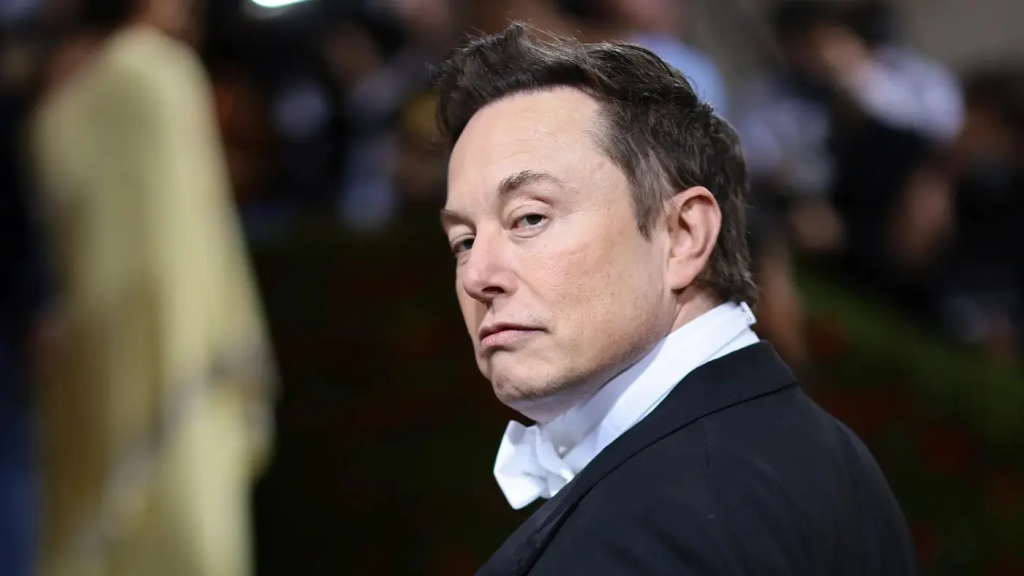
On Monday, May 18, a federal court in California dismissed the lawsuit filed by American tycoon Elon Musk against the company OpenAI and its CEO, Sam Altman, for allegedly failing to uphold its founding mission as a nonprofit organization.
A nine-member jury in the city of Oakland has ruled that the lawsuit filed by the world’s richest person was not filed within the statute of limitations set forth by law and is therefore barred by the statute of limitations.
The ruling represents a strategic victory for Sam Altman at a critical moment for the stability of the company behind ChatGPT, which is seeking to ensure the continuity of its financial expansion plans ahead of an upcoming initial public offering.
Technology industry analysts are projecting this stock market transaction as a historic success that could mark a milestone in the artificial intelligence industry.
Musk accused the tech company and Microsoft of breach of contract and unjust enrichment, alleging that both entities had betrayed their original mission by prioritizing financial gain over the public interest. For its part, OpenAI described the lawsuit as a baseless attempt motivated by «envy» that seeks to hinder a direct competitor through the use of the judicial system.
Musk accused the tech company and Microsoft of breach of contract and unjust enrichment, claiming that both entities had betrayed their original mission by prioritizing financial gain over the public interest.
For its part, OpenAI described the lawsuit as a baseless attempt, motivated by «envy,» to hinder a direct competitor through the legal system.
The evidence presented during the trial
During the trial, which began on April 28, the lawyer for the tech company presented several emails from Musk’s advisors discussing the possible percentagesof the billionaire’s equity stake if the company were to cease being a nonprofit.
The documents submitted by the defense showed that Musk had discussed his potential financial gain should the organization adopt a for-profit model, which contradicted his arguments regarding a betrayal of the organization’s founding principles.
This documentation helped strengthen OpenAI’s position in court, which ultimately ruled that the lawsuit had been filed after the statute of limitations had expired under California law.
OpenAI was launched in 2015 when Sam Altman, Greg Brockman, Elon Musk and other founders were seeking revolutionary advances in the field of artificial intelligence.
The company was founded as a nonprofit organization with the stated goal of developing general artificial intelligence in a way that is safe and beneficial to all of humanity. Elon Musk contributed nearly $45 million during the company’s early years.
However, in 2017, the relationship between Musk and Altman began to deteriorate due to alleged delays in meeting established goals. Tensions continued to rise until, a year later, the owner of Tesla stepped down from the board of directors and stopped making financial contributions to the organization.
This split marked a turning point in OpenAI’s history and in the personal relationship between the two entrepreneurs, which had been close during the project’s early years.

OpenAI’s Corporate Transformation in 2019
In 2019, OpenAI underwent a fundamental transformation in its organizational structure, transitioning from a nonprofit organization to a limited-profit entity.
The new corporate structure set a limit on the profits investors could earn, while theoretically maintaining a commitment to the company’s founding goals of developing artificial intelligence that is safe.
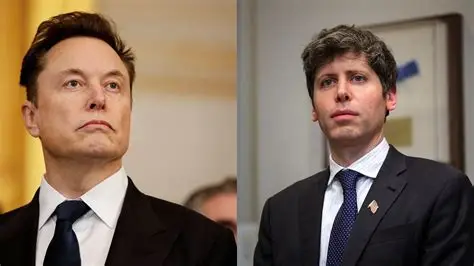
However, it was precisely this change that later prompted Musk’s accusations, as he believed that the partnership with Microsoft had completely undermined the organization’s original mission.