Iran claims the U.S. initiated the attacks on an Iranian oil tanker, while U.S. forces blame Tehran
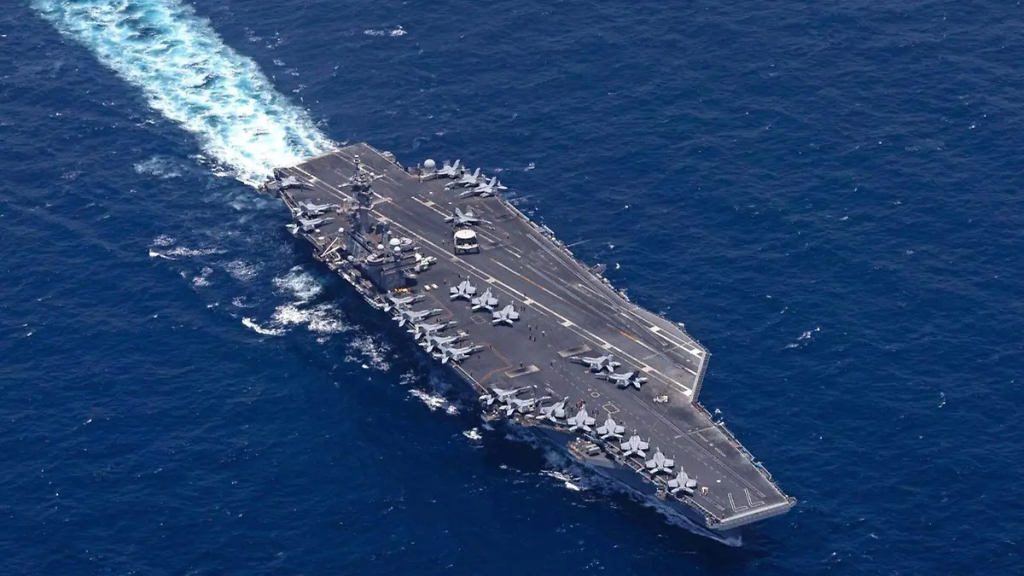
The Iranian Army announced early Friday morning that the United States had violated the ceasefire with an attack on two vessels near the Strait of Hormuz, one of which was an Iranian oil tanker, and claimed to have fired salvos at U.S. military ships in response.
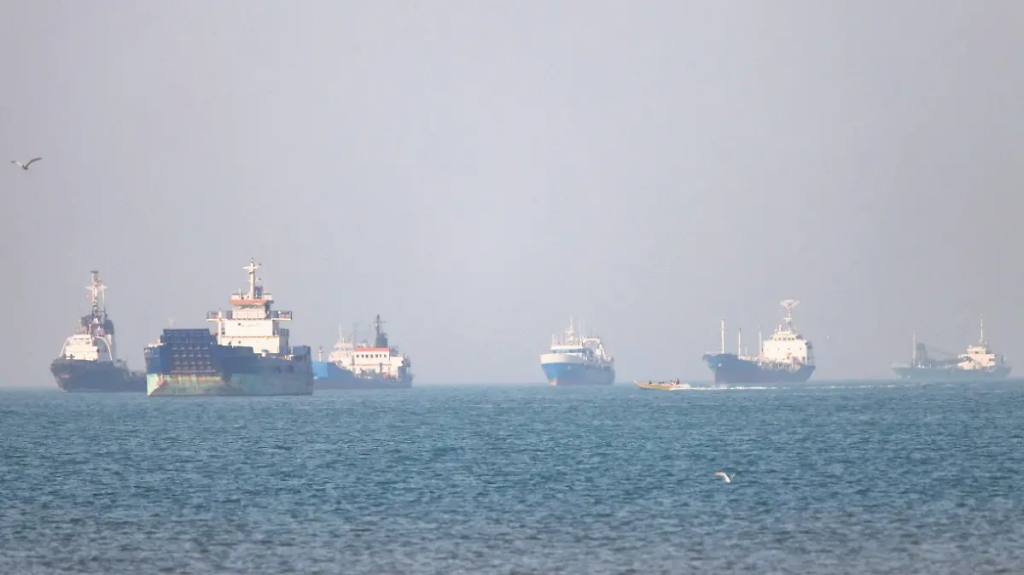
In a statement reported by the Tasnim news agency, spokespeople for the Jatam al-Anbiya General Headquarters reported that the attack was carried out against an Iranian oil tanker that was moving away from the coast of the Islamic Republic to head toward the Strait of Hormuz in the waters off the Khasak region, and against another vessel that was passing through the strait near the port of Fujairah in the United Arab Emirates (UAE).
In addition, according to the Iranian Army, the U.S. also launched attacks » in cooperation with countries in the region» against «civilian areas» on the coast of Bandar Jamir, Sirik, and Qeshm Island.
The Iranian Army «responded immediately by attacking U.S. military vessels in the eastern part of the Strait of Hormuz and south of the port of Chabahar, causing significant damage,» the statement added.

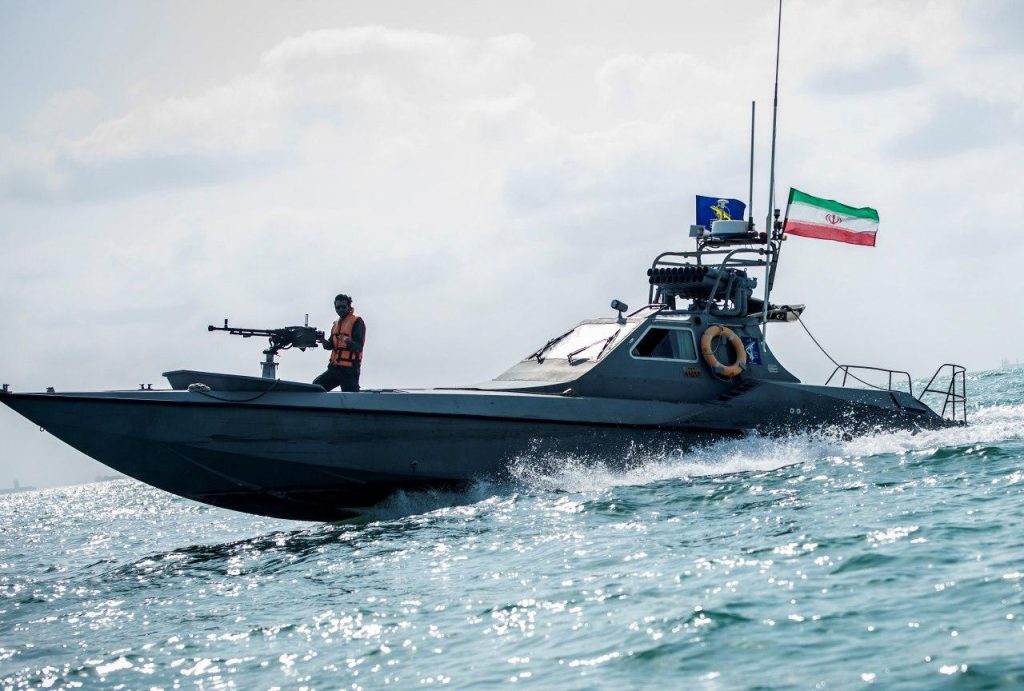
In a subsequent statement, the Iranian Revolutionary Guard described its response to the «violation of the ceasefire» as a «comprehensive and precise operation» that involved the deployment of destroyers to the Strait, as well as the use of ballistic missiles and multi-warhead drones.
The United States, for its part, has confirmed the cross-border attacks in the Strait of Hormuz, although it claims that Iran was the one that initiated hostilities.
According to a statement from Central Command, the Iranian forces launched «multiple missiles, drones, and small boats» at the destroyer USS Truxtun, USS Rafael Peralta, and USS Mason as they were transiting the international shipping lane connecting the Strait of Hormuz with the Gulf of Oman.
The command stated that it «does not seek an escalation,» though it cautioned that it remains prepared to protect the U.S. forces in the region.