
Cyber
False alerts went out on Ukraine's air-raid app.
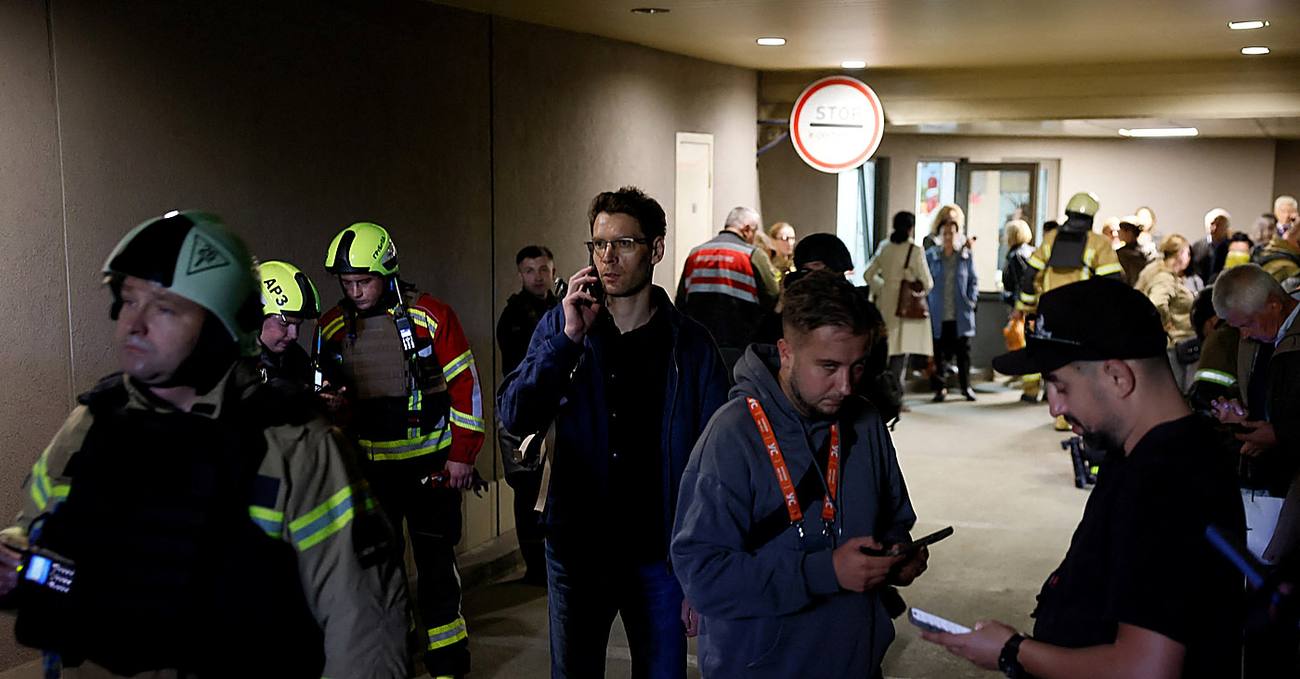
Reuters: Ukraine’s air force said the public alert app was hacked, with false nuclear, chemical and Oreshnik warnings. Russia said its own emergencies app was hit. The photograph is Kyiv on Sept. 28, not the hack.
The Rocket News · Foreign Desk · KyivNovember 2, 2026 · 3 min read
KYIV — Ukraine and Russia said their emergency-alert apps were hacked overnight, sending false warnings of air raids and of chemical and nuclear attack, Reuters reported. The warnings came as a six-day local ceasefire, brokered by first lady Melania Trump, expired. It was the longest such pause since the full-scale invasion in 2022.
Ukraine’s public air-raid app began sending false alerts just before 11 p.m. local time Sunday for Kyiv and other areas: radiation, chemical attack, street combat in some places, and a message that Russia had launched a hypersonic Oreshnik missile and that a nuclear alert had been declared. The air force said the system appeared to have been hacked by Russia and that the alerts were in Russian. “The air alert app appears to have been subjected to enemy influence,” it said on Telegram. “There is no radiation threat! Stay calm and follow our updates on our channel!” All-clear messages followed. The Ministry for Digital Transformation said the app was temporarily suspended. Other alerts, and the sirens, were still working.
There is no radiation threat! Stay calm and follow our updates on our channel!
Early Monday, Russia’s emergencies ministry said its own mobile app had been hit by a massive cyberattack that spread false information, the state agency TASS reported. The ministry did not name who did it. This is a cyber note. It is not a count of missiles or of the dead.
The photograph is Sept. 28, an underground garage in Kyiv during an air-raid alert. Gleb Garanich made it for Reuters. It is not Monday. No one in the frame is named.
Wire and further reading: reuters.com
Filed under Technology
Keep reading
The arsenal
Ukraine’s drones still run on Chinese parts.
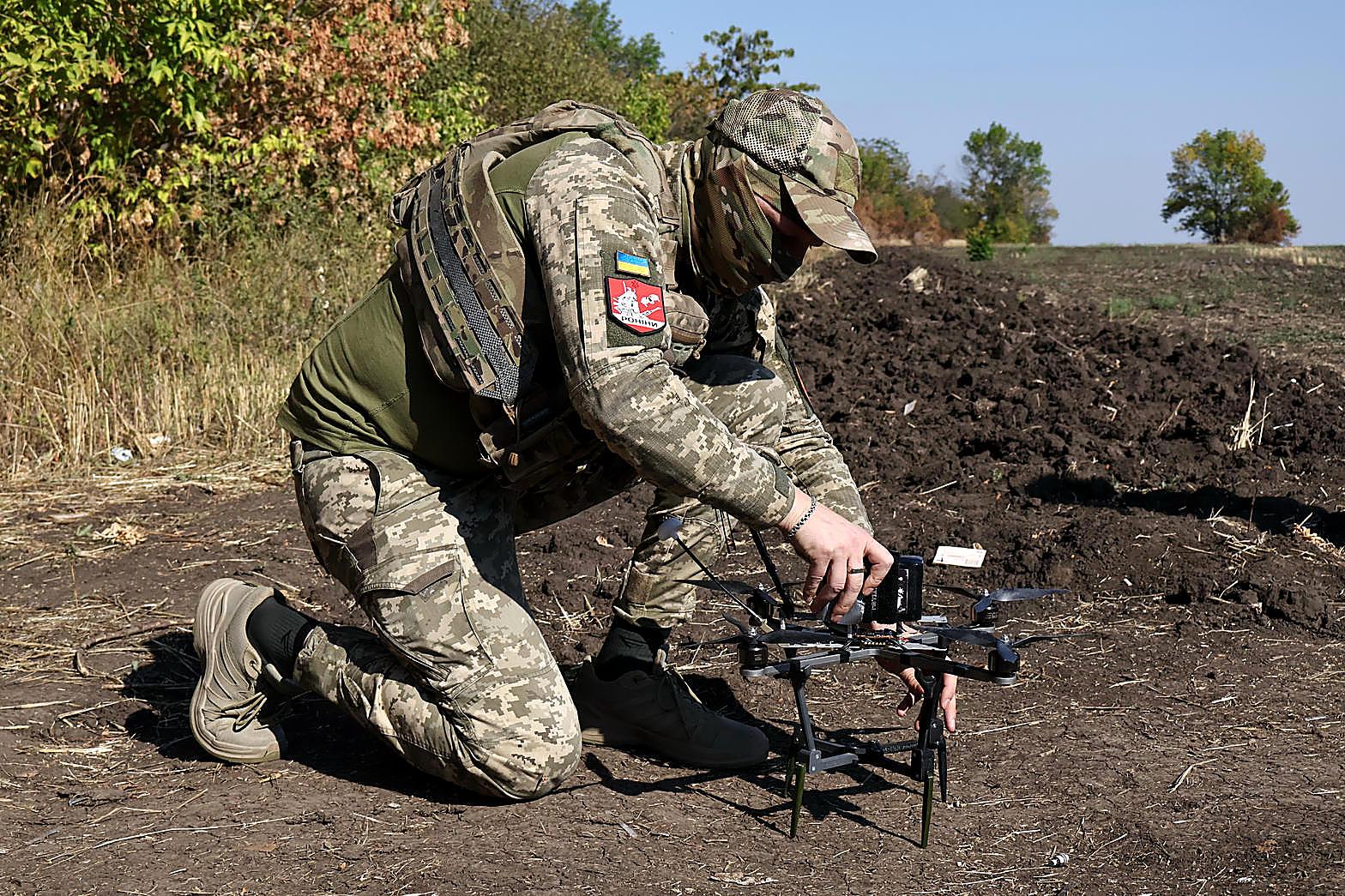
Magnets, motors, chips, sensors and battery cells still come from China, a dozen makers told the Associated Press. Switching to Western parts could raise the cost by 60 percent and cut production by as much.
Visas
Vance suspended Microsoft from a green-card program.
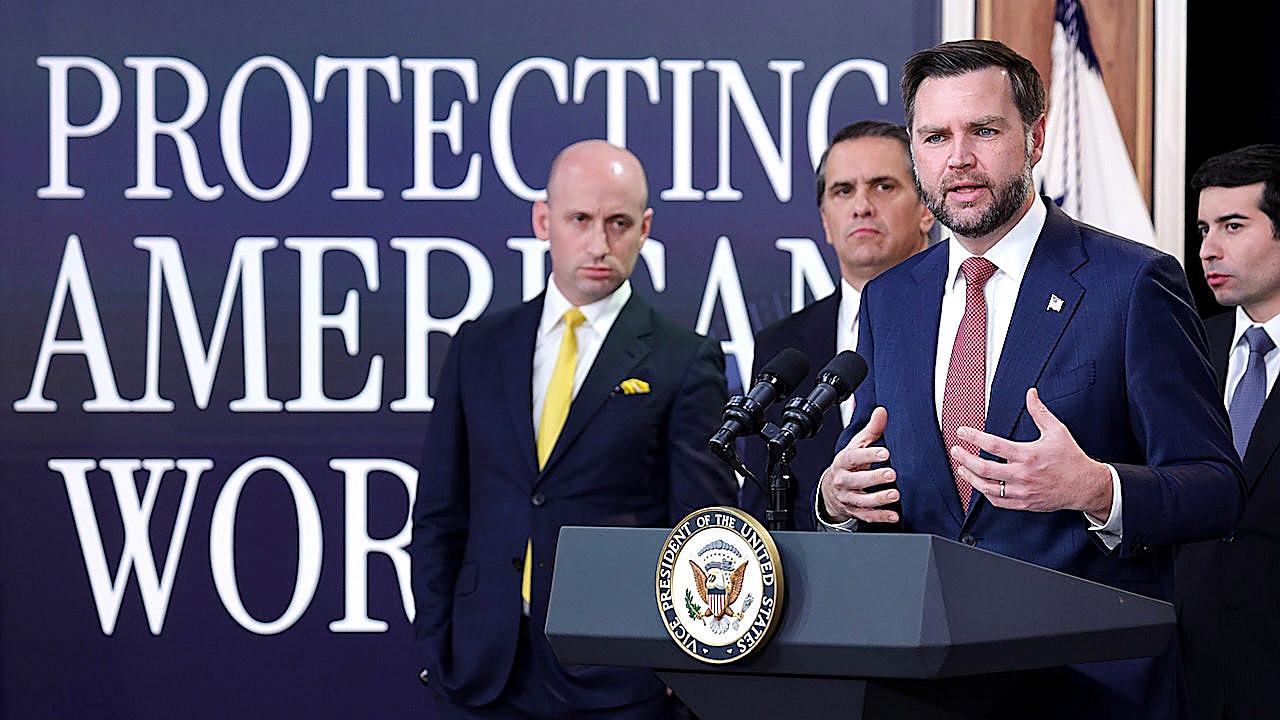
The vice president said no company has abused the system more. Microsoft laid off 6,000 American workers, he said, while drawing 6,300 H-1B visas and nearly 3,000 green cards. Adobe and major outsourcers were suspended with it.
Video · The White House

Technology
Google wants Hollywood to stop being afraid of its tools.
A venture called 100 Zeros, with Range Media Partners, will fund films and shorts meant to show the technology as something creators can use.