
California
A Kelvin wave is lifting the water on the California coast.
It is not a tsunami. The pulse, tied to El Niño, raises sea level by inches and makes high tides more dangerous when a storm arrives.
The Rocket News · Science Desk · La JollaOctober 2, 2026 · 3 min read
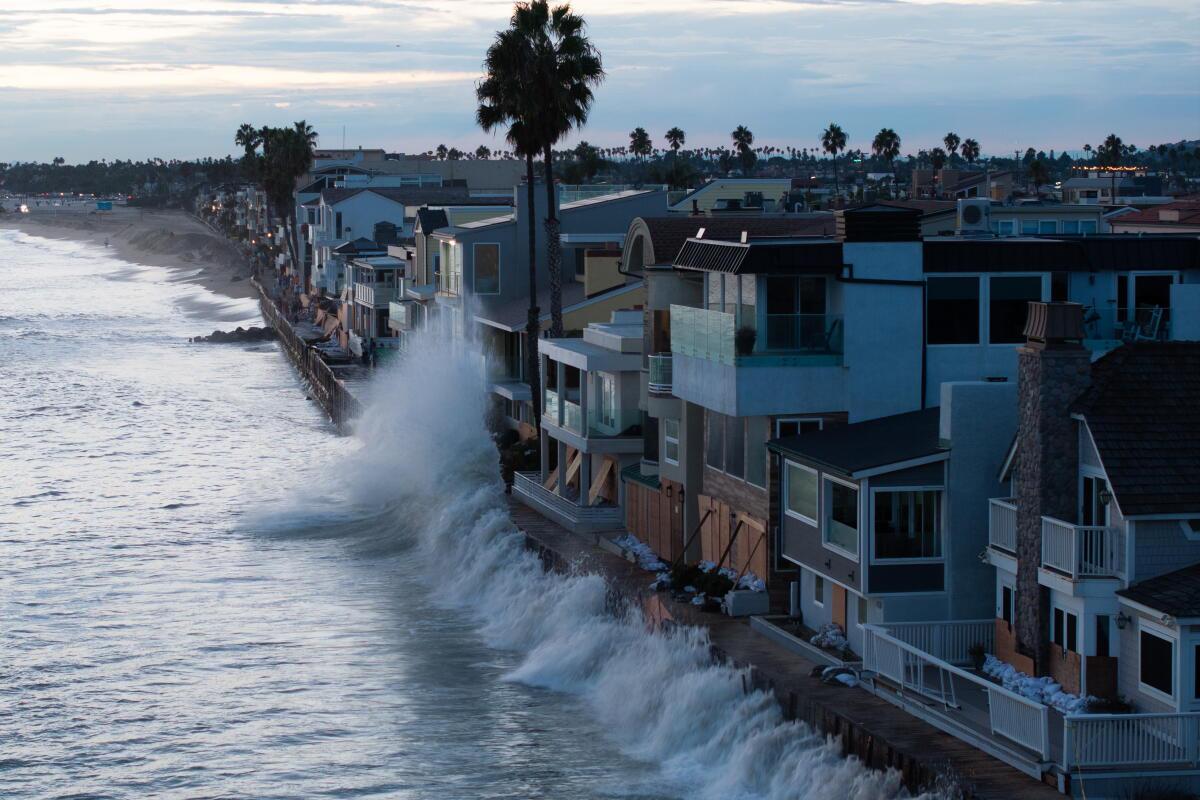
LA JOLLA — A Kelvin wave is heading up the California coast and bringing trouble, The New York Times reported. It is not a wave that breaks. It is a slow bulge of warm water, inches high and hundreds of miles long, that lifts the sea for weeks. NOAA has described these coastal pulses as changes of about six inches. This year’s set, tied to a strong El Niño, reached California in late spring. The next pulse was expected around the first of October.
When the equatorial pulse hits South America it cannot keep going east, so the energy turns north and south along the coast. Higher tides mean more erosion and a greater chance that a winter storm lands on an already high sea. The Times put the piece on Friday’s paper. The coast is the science note. The hiring number is on the economy page.
Wire and further reading: latimes.com
Filed under Science
Keep reading
Florida
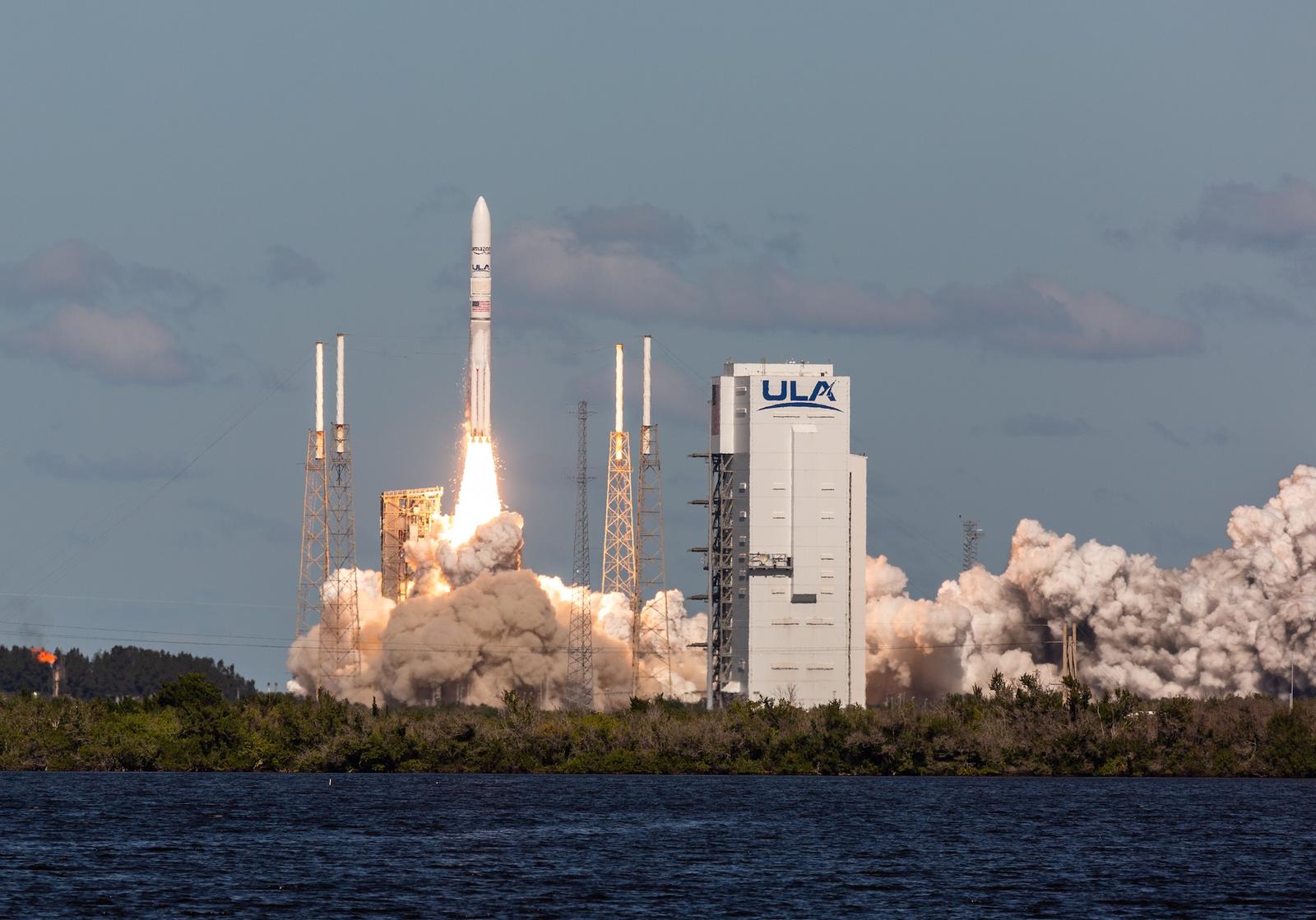
The Vulcan did not reach orbit.
Reuters, Sunday at Cape Canaveral: a ULA Vulcan failed about 10 minutes after liftoff. Forty Amazon Leo satellites were lost. The cause is not clear.
Starbase
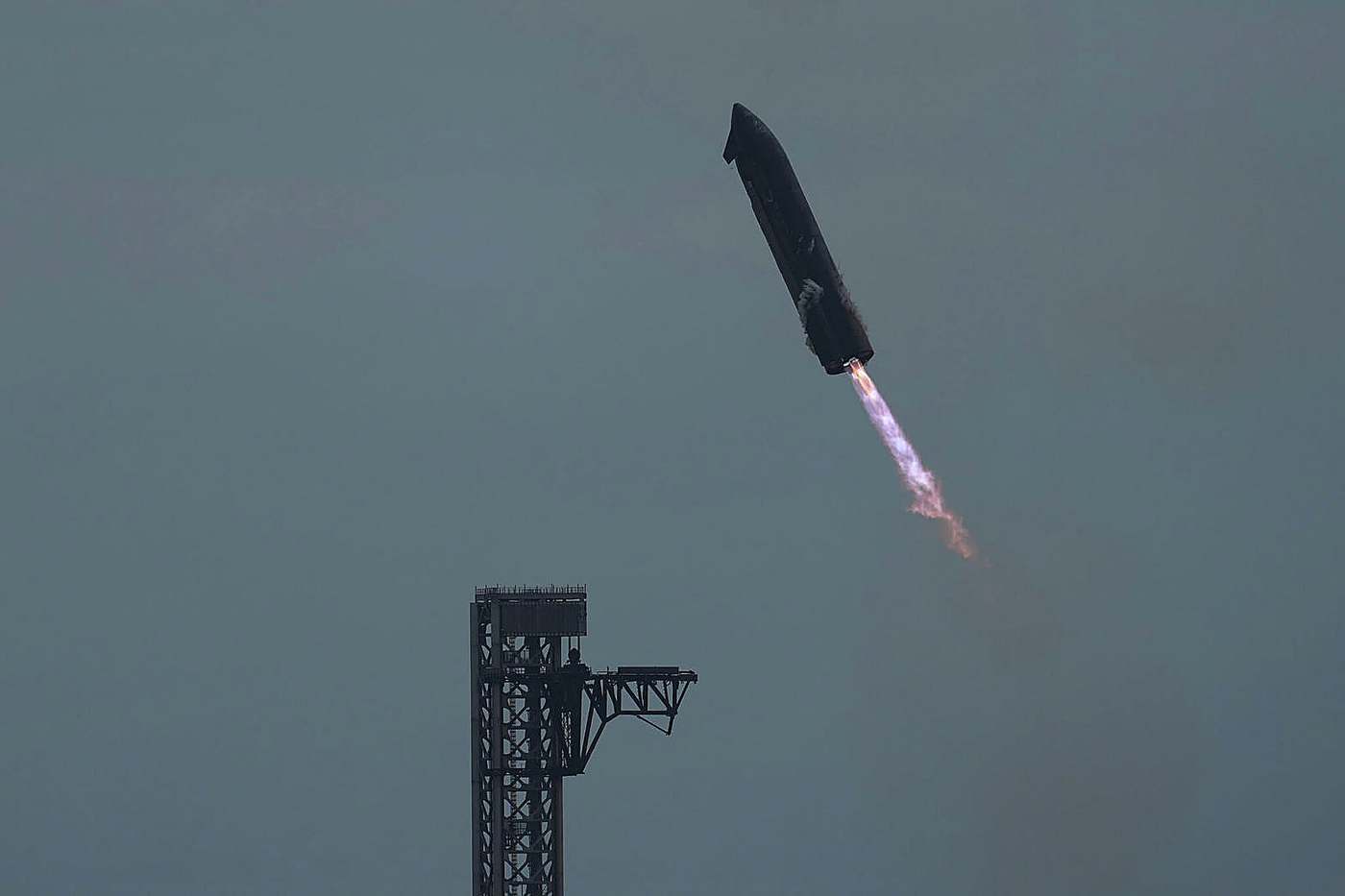
The ship came back to the tower.
Reuters, Saturday at Starbase: the upper stage came down into the arms after 22 hours. The booster did not. Saturday morning’s note said the catch was still ahead. It is not.
Starbase
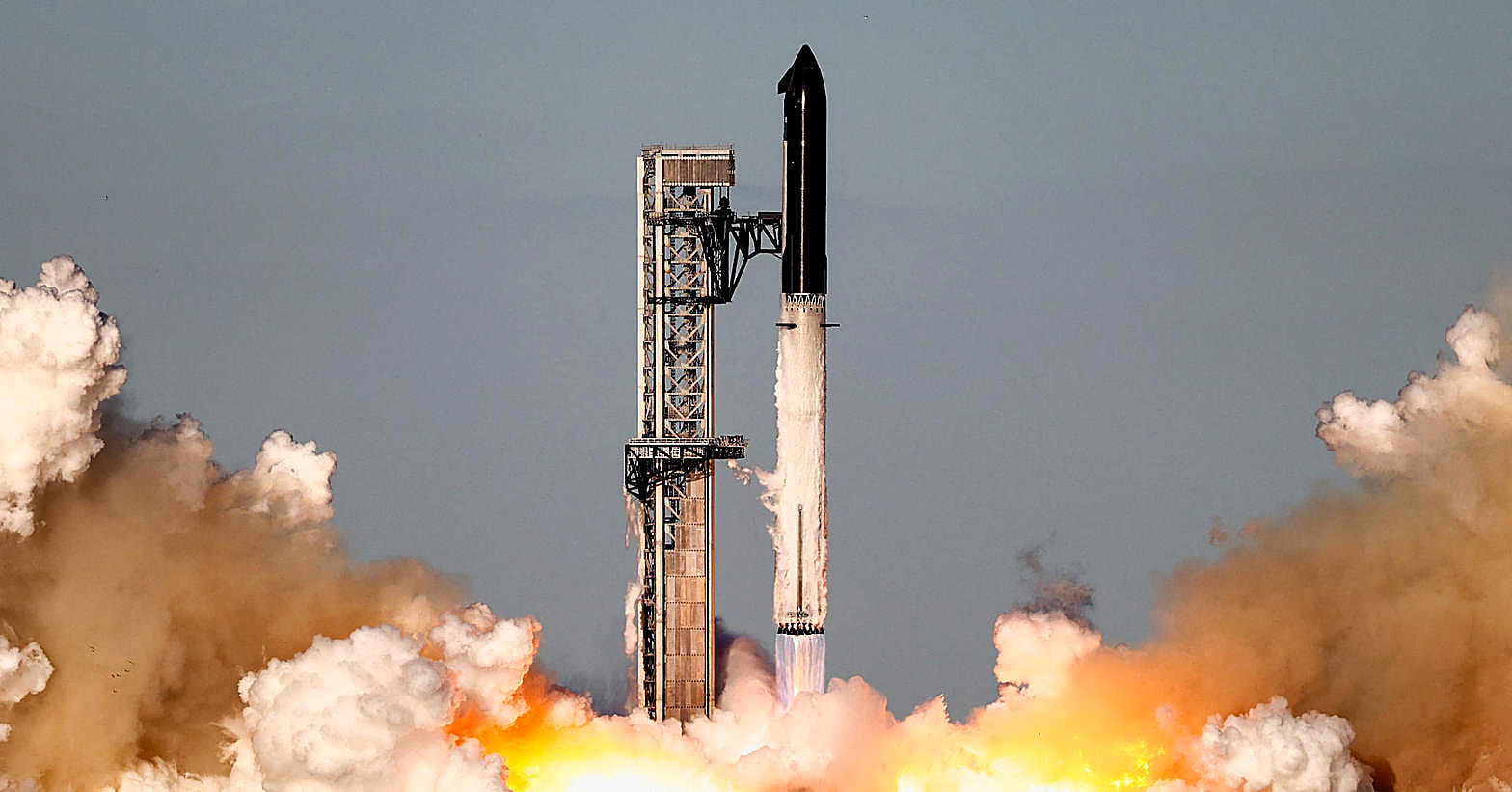
Starship flew. The catch is still ahead.
Reuters, Friday at Starbase: flight 15 left the tower. The plan is to catch the ship on Saturday. This morning, that catch has not happened.