
Starbase
Starship flew. The catch is still ahead.
Reuters, Friday at Starbase: flight 15 left the tower. The plan is to catch the ship on Saturday. This morning, that catch has not happened.
The Rocket News · Science Desk · Starbase, TexasNovember 14, 2026 · 3 min read
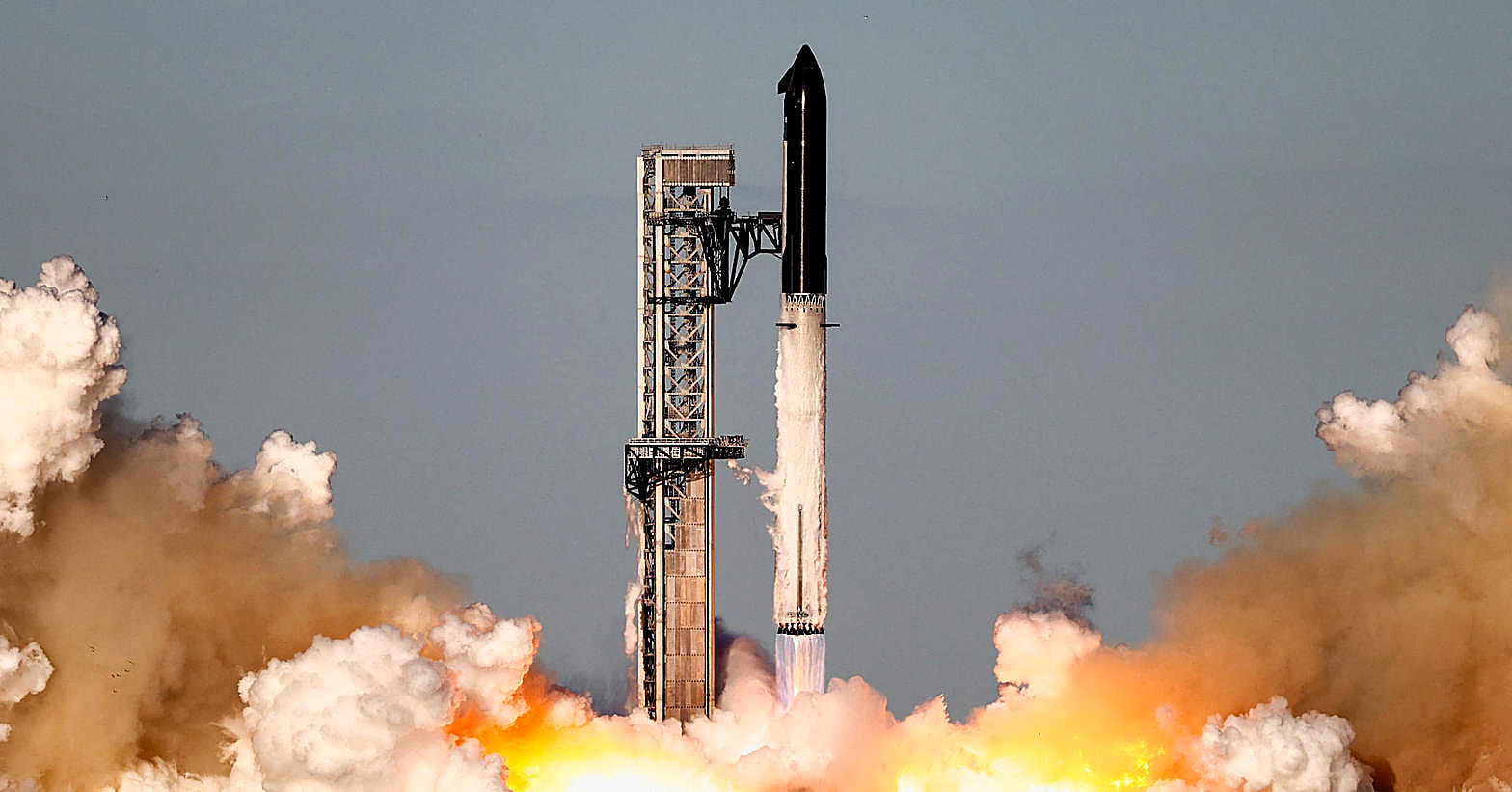
STARBASE, Texas — SpaceX launched the 15th flight of Starship on Friday. Reuters reported it from the company’s launch site in Texas. Starship 42 went up on Super Heavy v3, the booster numbered 22. The company hopes this flight is the first round trip: into orbit, and back to the same pad.
The catch is a plan, not a result. Reuters said the uncrewed upper stage is supposed to come back after nearly a day in orbit and land at the tower on Saturday, engines on, into the mechanical arms. Reuters said that would be the first attempt to catch the ship on the return. The upper stage was expected to come down after 14 orbits, on Saturday afternoon. This edition closed in the morning. The catch is not in the well.
Reuters said the flight carried a full set of 26 Starlink satellites to orbit. NASA has put about $3.2 billion into Starship since 2021, when it picked the ship as a lunar lander. SpaceX has put at least $15 billion of its own money into the rocket. Elon Musk has said he expects a launch a week by the first half of 2027. That is his expectation. It is not a schedule this desk is printing as fact.
The photograph is the launch, Friday, Nov. 13, 2026. The ship is leaving the tower. Joe Skipper, Reuters. The Saturday catch is not in the frame.
Wire and further reading: reuters.com
Filed under Science
Keep reading
Hawaii
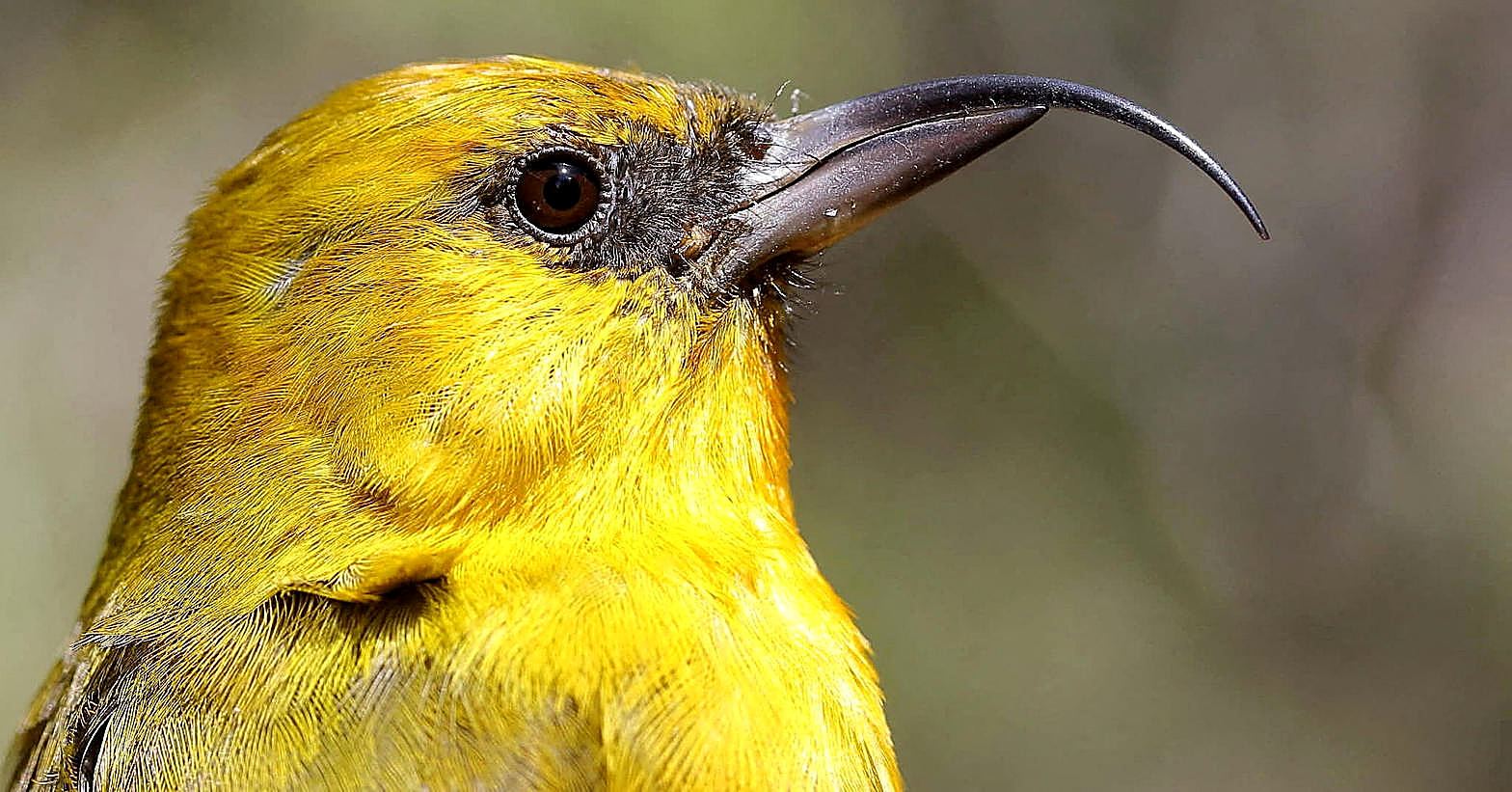
The bird uses the whole body.
Reuters, Thursday: the ʻakiapōlāʻau hacks with the lower bill and probes with the upper one. The paper is Nov. 5. The picture is from 2022.
The arms
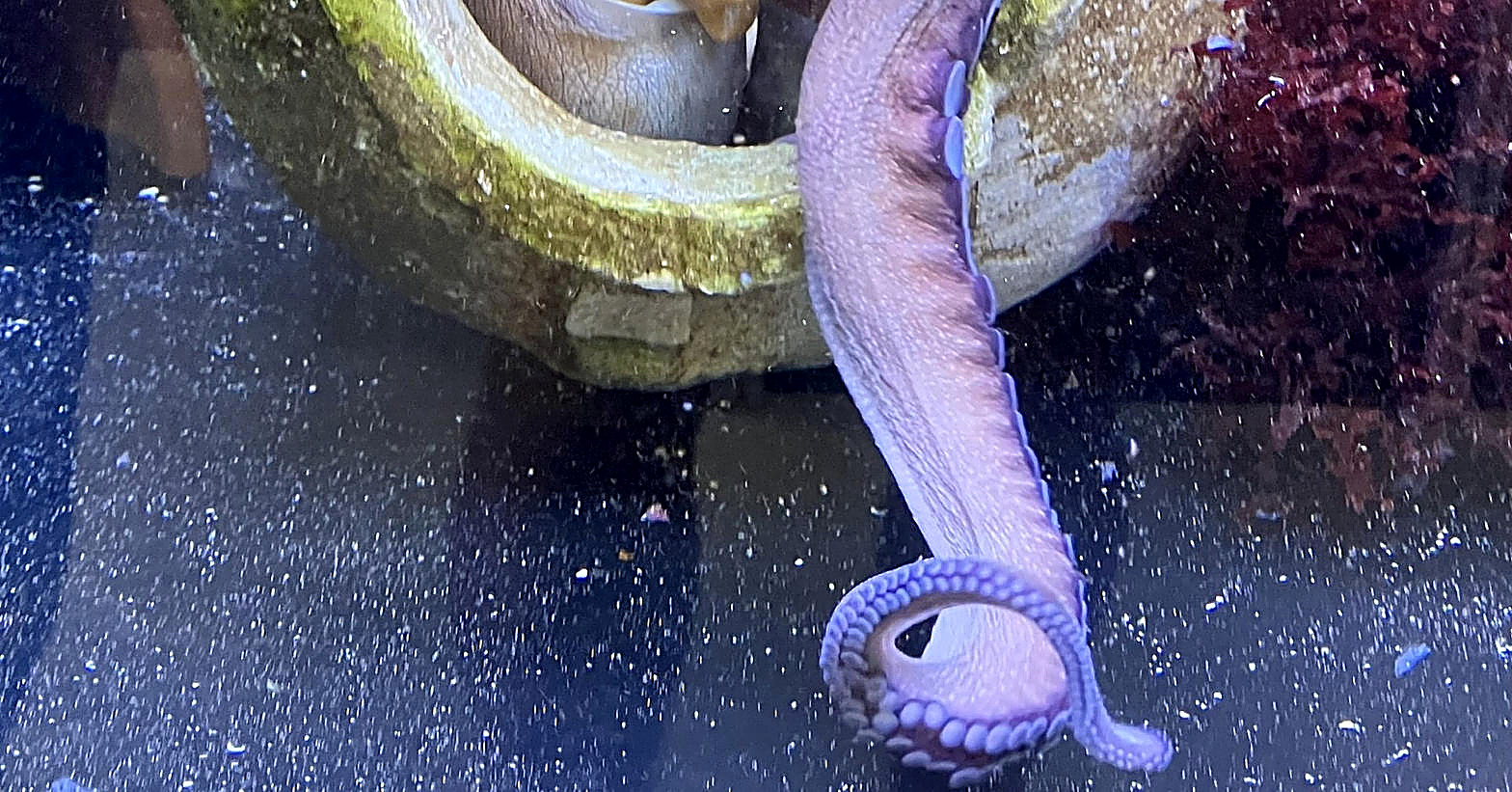
The octopuses changed the plan when the hole got smaller.
Reuters, Friday: three common octopuses used three steps when the opening was wider than the eyes, and four when it was narrower. The picture is from Vienna, in 2025.
Orbit
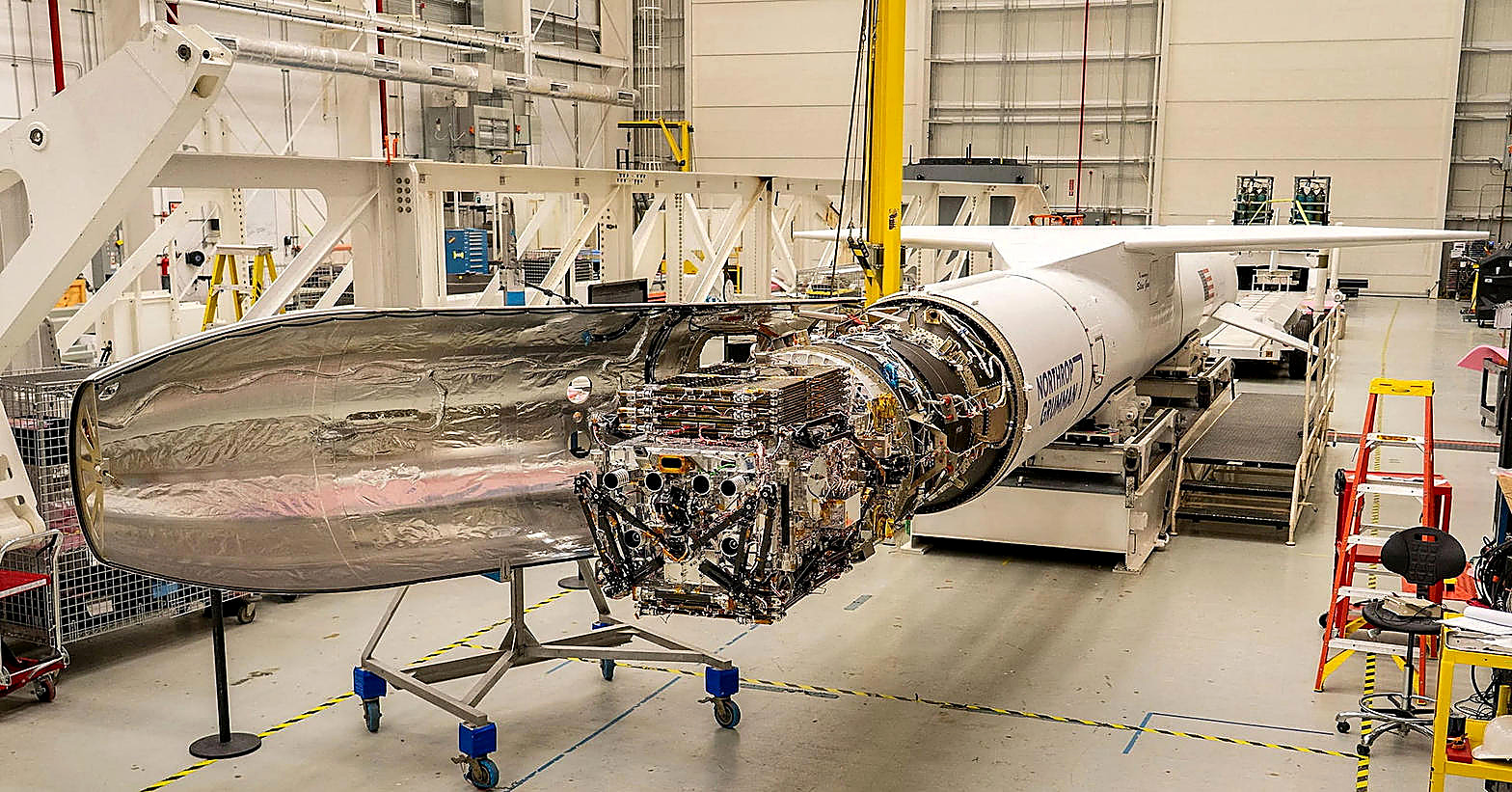
Swift burned up on Wednesday. The rescue had already failed.
Reuters and NASA: the Neil Gehrels Swift Observatory re-entered at 7:39 a.m. Eastern on Wednesday over North Sumatra. About 3,200 pounds. No injuries reported. A rescue craft had already failed.