
Hawaii
The bird uses the whole body.
Reuters, Thursday: the ʻakiapōlāʻau hacks with the lower bill and probes with the upper one. The paper is Nov. 5. The bird in the photograph is from 2022.
The Rocket News · Science Desk · HawaiiNovember 8, 2026 · 3 min read
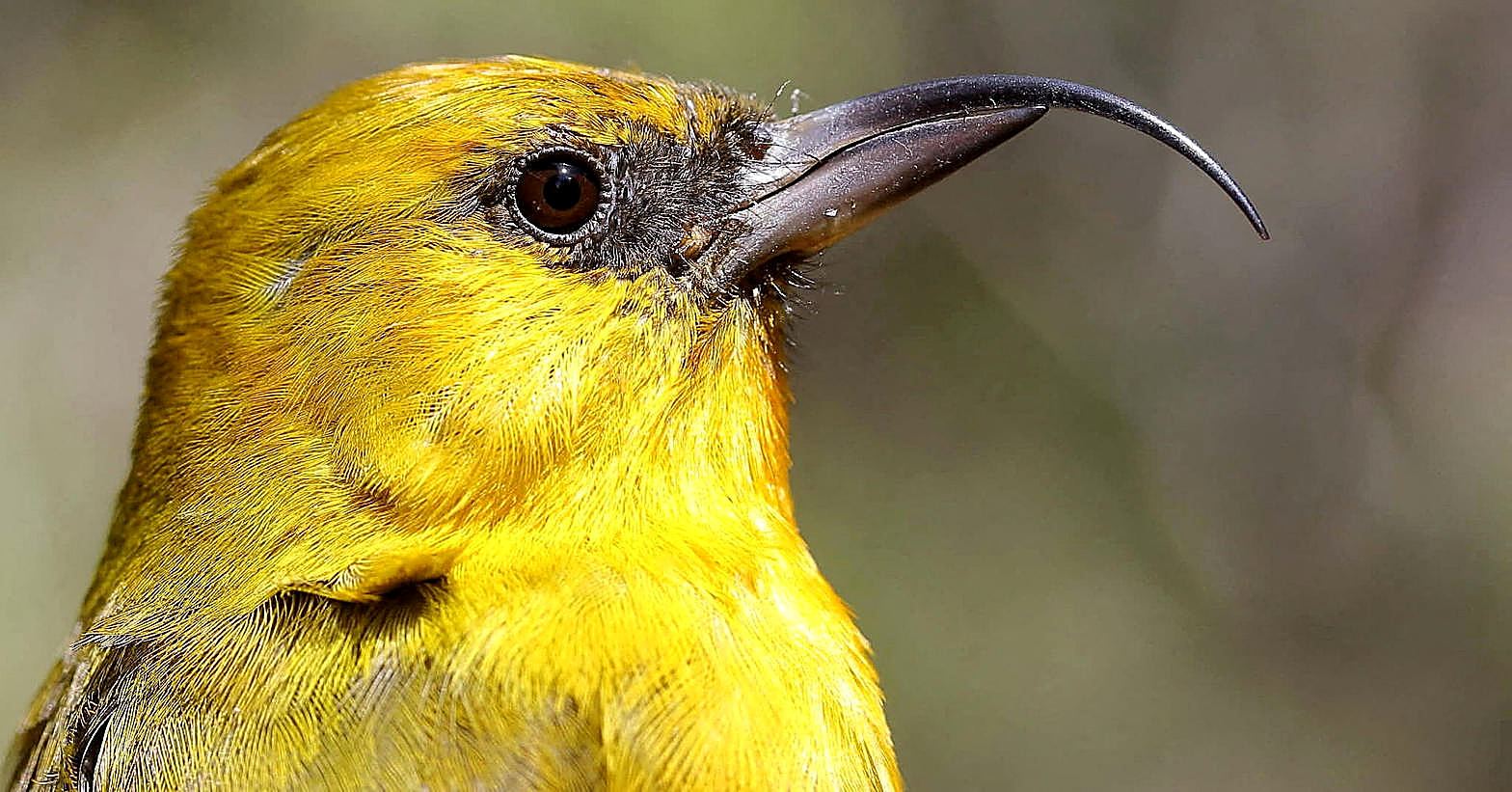
Reuters reported Nov. 5 that the ʻakiapōlāʻau, an endangered Hawaiian honeycreeper, has no need for a toolbox. It taps the wood, hacks into it with the lower half of the beak, then switches to the long upper bill to probe for insect larvae. The new research, Reuters said, is the most complete look yet at the anatomy, and the legs join the strike. The bird lives only on the island of Hawaii. It behaves like a woodpecker. It is not closely related to one.
Alexander Clark, a University of Chicago doctoral candidate and a scientific affiliate of the Field Museum, is the lead author of the study in the journal Ornithology. “The anatomy of an animal is like the book, whereas the in-life behavior is like the movie,” he told Reuters. The bird sometimes taps a branch with the upper bill, looking for a hollow. Then it opens the mouth wide and gouges with the lower bill only, holding the upper bill as far away as it can. The journal date is Nov. 5, 2026. The wire date is the same day.
The anatomy of an animal is like the book, whereas the in-life behavior is like the movie
The photograph is the bird, not a drawing. Sept. 3, 2022, Puʻu Makaʻala Natural Area Reserve, Hawaii. The upper bill is the long curve. Bret Nainoa Mossman, handout via Reuters. It is not Thursday.
Wire and further reading: reuters.com
Filed under Science
Keep reading
The arms
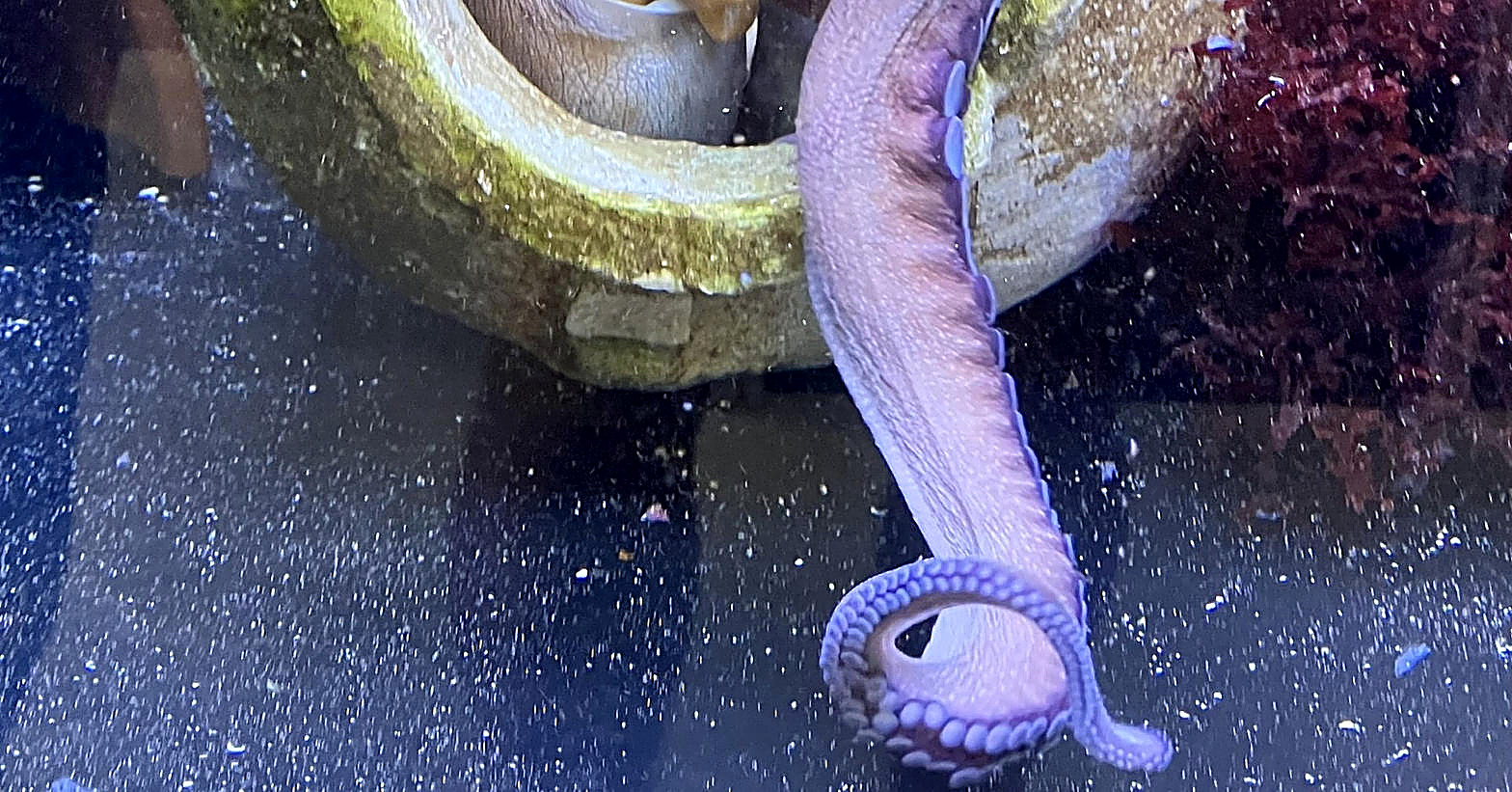
The octopuses changed the plan when the hole got smaller.
Reuters, Friday: three common octopuses used three steps when the opening was wider than the eyes, and four when it was narrower. The picture is from Vienna, in 2025.

Orbit
Swift burned up on Wednesday. The rescue had already failed.
Reuters and NASA: the Neil Gehrels Swift Observatory re-entered at 7:39 a.m. Eastern on Wednesday over North Sumatra. About 3,200 pounds. No injuries reported. A rescue craft had already failed.
Evolution
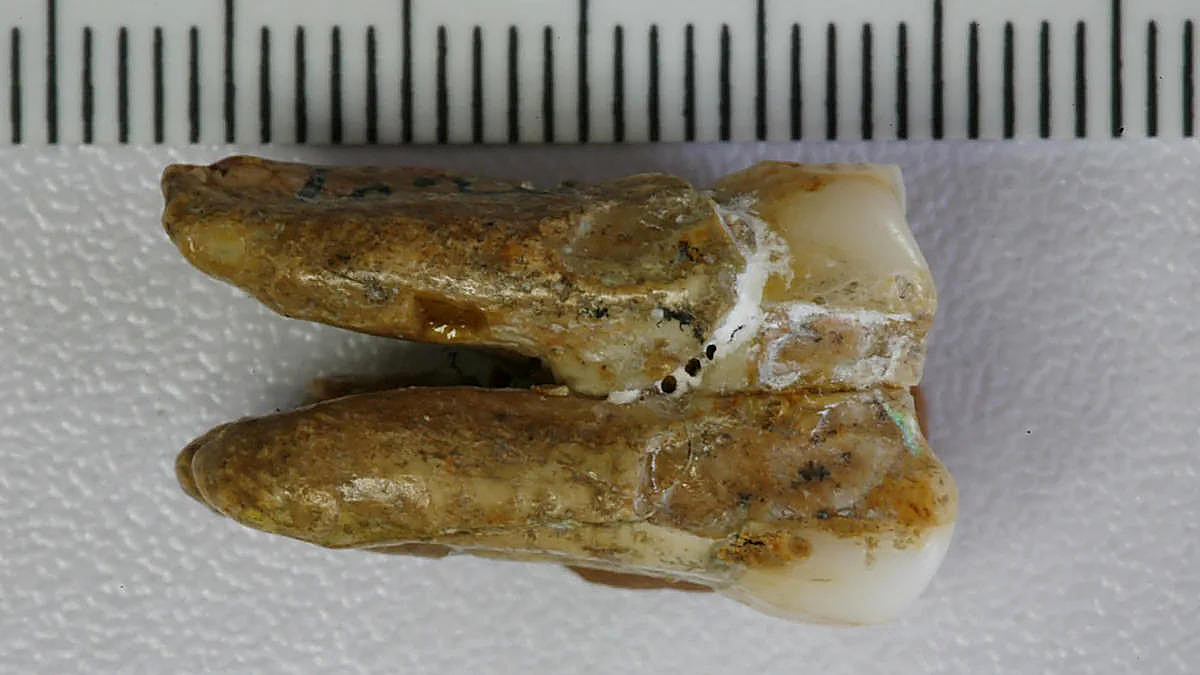
One protein letter from Peking Man is still in living genomes.
Nature, May 13. Six Homo erectus teeth, about 400,000 years old. They share two enamel variants. One is new and found in no living person. The other is in Denisovans, and in 21 percent of people in the Philippines. The essay is this week. The paper is May.