
Orbit
Swift burned up on Wednesday. The rescue had already failed.
Reuters and NASA: the Neil Gehrels Swift Observatory re-entered at 7:39 a.m. Eastern on Wednesday over North Sumatra. About 3,200 pounds. No injuries reported. A rescue craft had already failed.
The Rocket News · Science Desk · WashingtonNovember 6, 2026 · 3 min read
WASHINGTON — Reuters reported that NASA’s Neil Gehrels Swift Observatory, about 22 years old and roughly 3,200 pounds, re-entered as expected on Wednesday and burned in the atmosphere over Indonesia. The U.S. Space Force confirmed the re-entry at 7:39 a.m. Eastern, about 22 times the speed of sound, over North Sumatra, roughly 200 miles north of the equator. NASA said Wednesday that it expected most of the spacecraft to burn up as it traveled through the atmosphere, but that some components may have survived re-entry. It reported no damage or injuries on the ground. The Space Force had put the chance of harm to anyone on Earth at one in 2,100.
The end came less than three months after a rescue spacecraft failed to boost Swift into a higher orbit. Thursday’s science note, the enamel proteins from the Chinese teeth, stays filed. This is Friday’s science note. The paper on the teeth was May. The fall of Swift was Wednesday.
NASA expected most of the spacecraft to burn up as it traveled through the atmosphere, but some components may have survived re-entry.
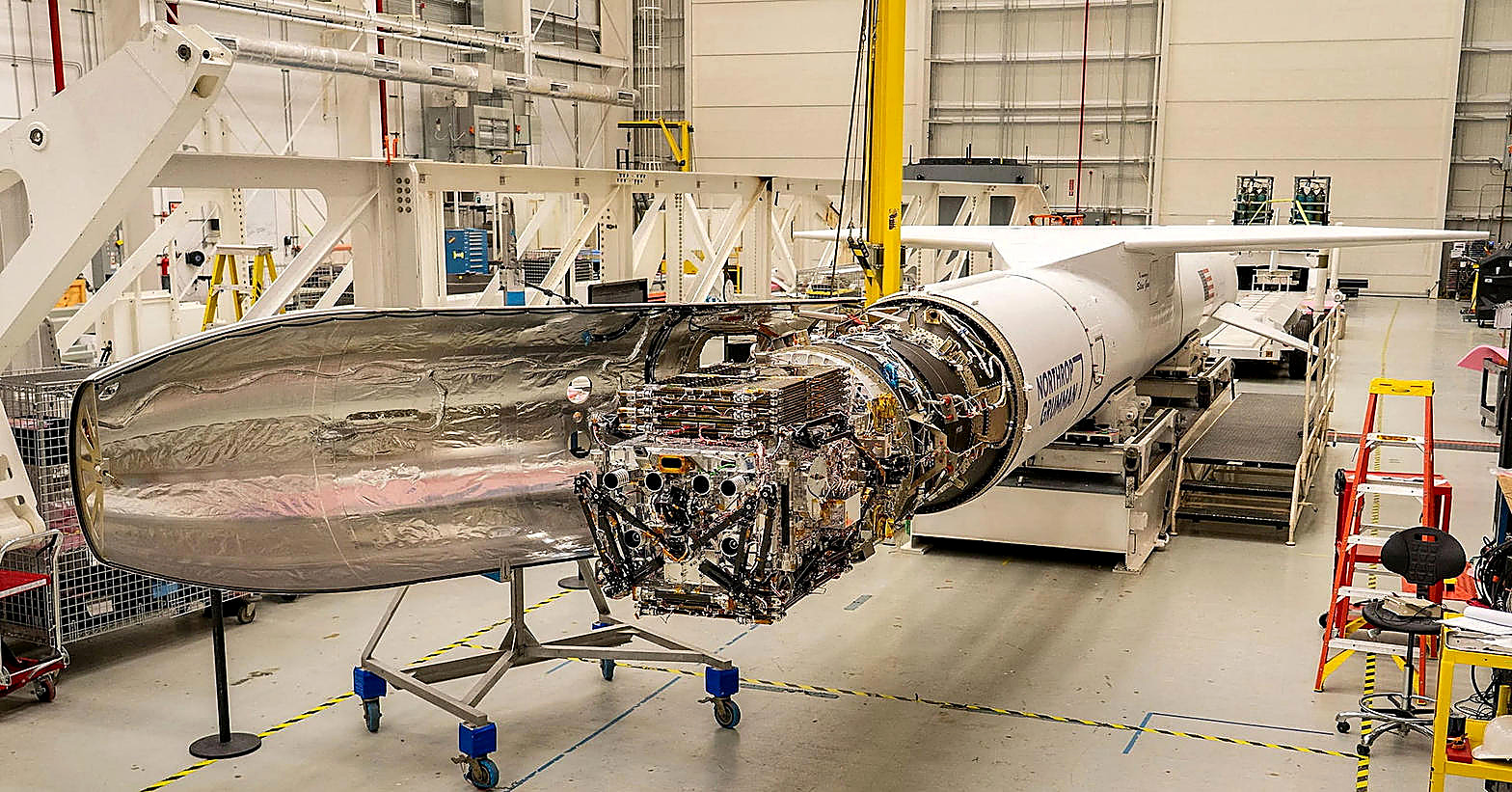
The photograph is not the fireball. It is the LINK rescue craft that flew the failed mission, waiting to be encapsulated at NASA’s Wallops Flight Facility in Virginia on June 8. Ron Beard, NASA, via Reuters. It is not Swift, and it is not Wednesday.
Wire and further reading: reuters.com
Filed under Science
Keep reading
Evolution
One protein letter from Peking Man is still in living genomes.
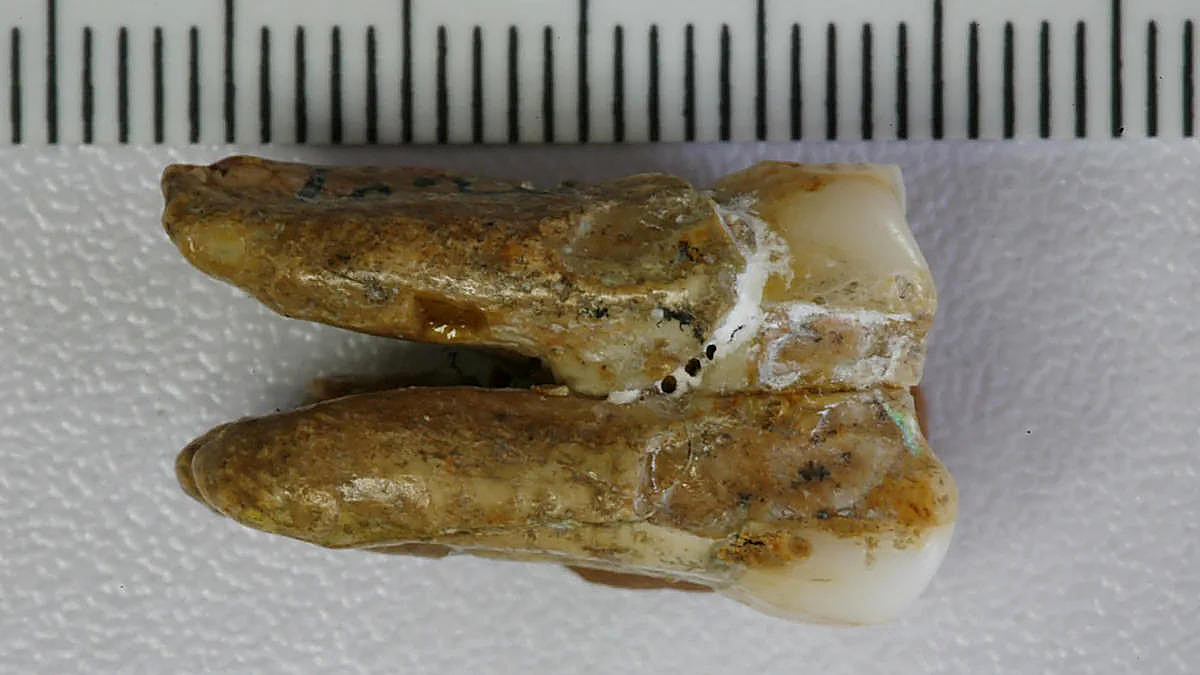
Nature, May 13. Six Homo erectus teeth, about 400,000 years old. They share two enamel variants. One is new and found in no living person. The other is in Denisovans, and in 21 percent of people in the Philippines. The essay is this week. The paper is May.

Space
Four astronauts splashed down off California.
SpaceX brought Jessica Meir, Jack Hathaway, Sophie Adenot, and Andrey Fedyaev home on Thursday after eight months. They had gone up in February to replace a crew sent home when a NASA astronaut fell ill.
Video · Associated Press

Maryland
Maryland now flags a heart warning on a mammogram.
As of Oct. 1, mammography centers in the state must tell a patient if the scan shows breast arterial calcification, a finding linked to a higher risk of heart disease. The Washington Post said other states may follow.