
Science
Pyroclastic rock sits four miles down in the Mariana Trench.
Reuters, Friday: Robert Stern's team found evidence of the deepest-known explosive eruption, as much as 4 miles down, near Challenger Deep. The study is in Frontiers in Earth Science. The photograph is 2024.
The Rocket News · Science Desk · Mariana Trench · 3 min read
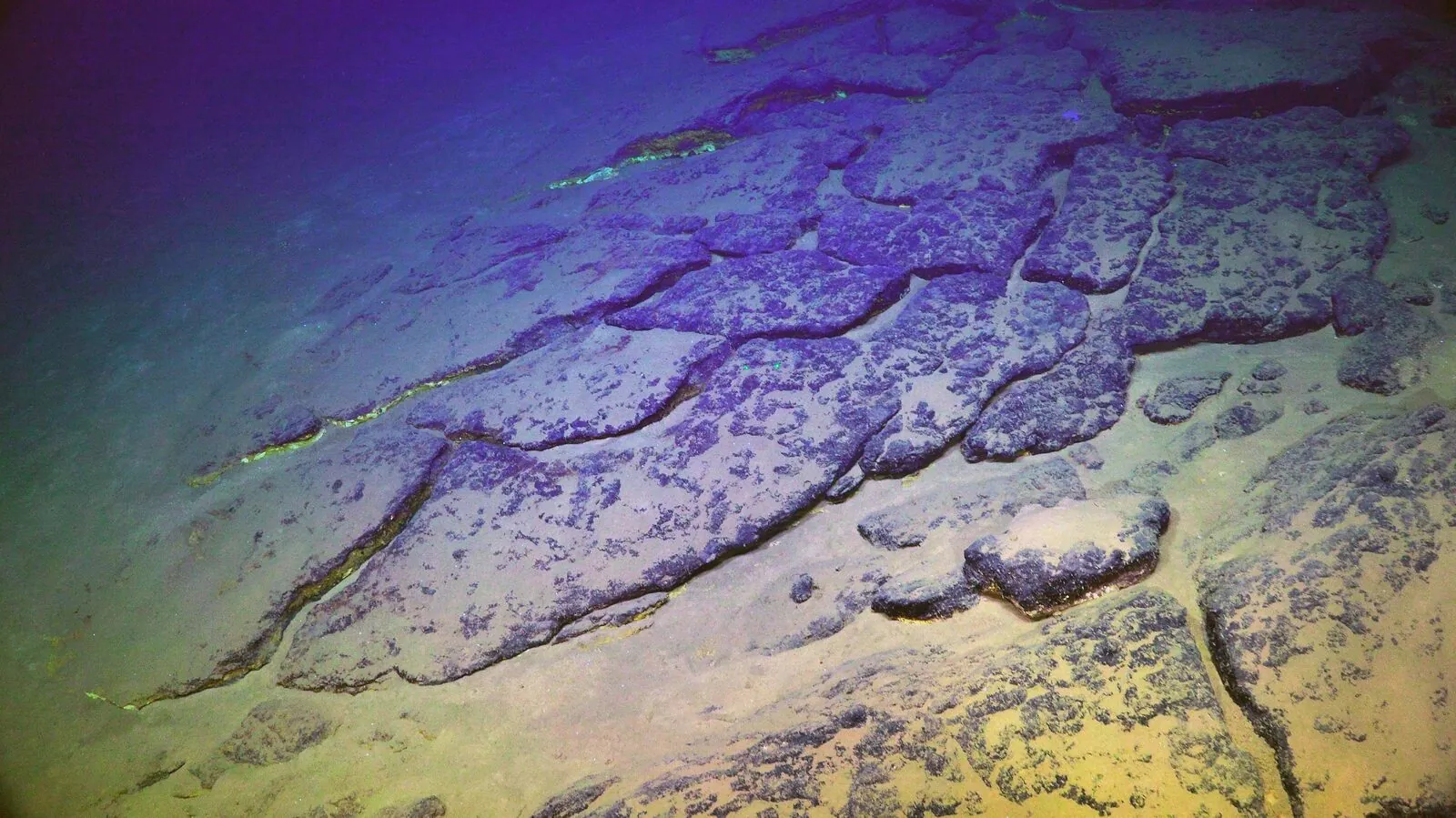
An international team of marine geologists found evidence of the deepest-known explosive volcanic eruption on Earth, as much as 4 miles, or 6,500 meters, below the surface of the western Pacific. Reuters reported the finding on Friday. The study is in Frontiers in Earth Science.
The team sailed to the Mariana Trench and sent down a remotely operated vehicle, Jason/Medea, along the walls around Challenger Deep. The vehicle observed and collected pyroclastic rocks, fragments and volcanic glass thrown out by an explosive eruption.
This is unmistakably the product of a volcanic eruption.
"The key findings are the discovery of recent igneous activity near the trench," said Robert Stern, professor emeritus at the University of Texas at Dallas and a visiting researcher at UCLA, the lead author.
Stern said the vehicle was the main tool, down to 6,500 meters. "We had a total of 10 dives, 7 of which were in the forearc around the Challenger Deep. The other 3 were in shallower waters near Guam because of weather conditions."
"This is unmistakably the product of a volcanic eruption. We did not see any eruption, and we have not yet found the vents from which the pyroclastic rocks erupted," Stern said.
The photograph is 2024. A camera aboard Jason/Medea shows a pyroclastic flow at 6,148 meters. The image was released November 24, 2026. The study was reported November 27. No person is in the frame.
Wire and further reading: reuters.com
Filed under Science
Keep reading
Science
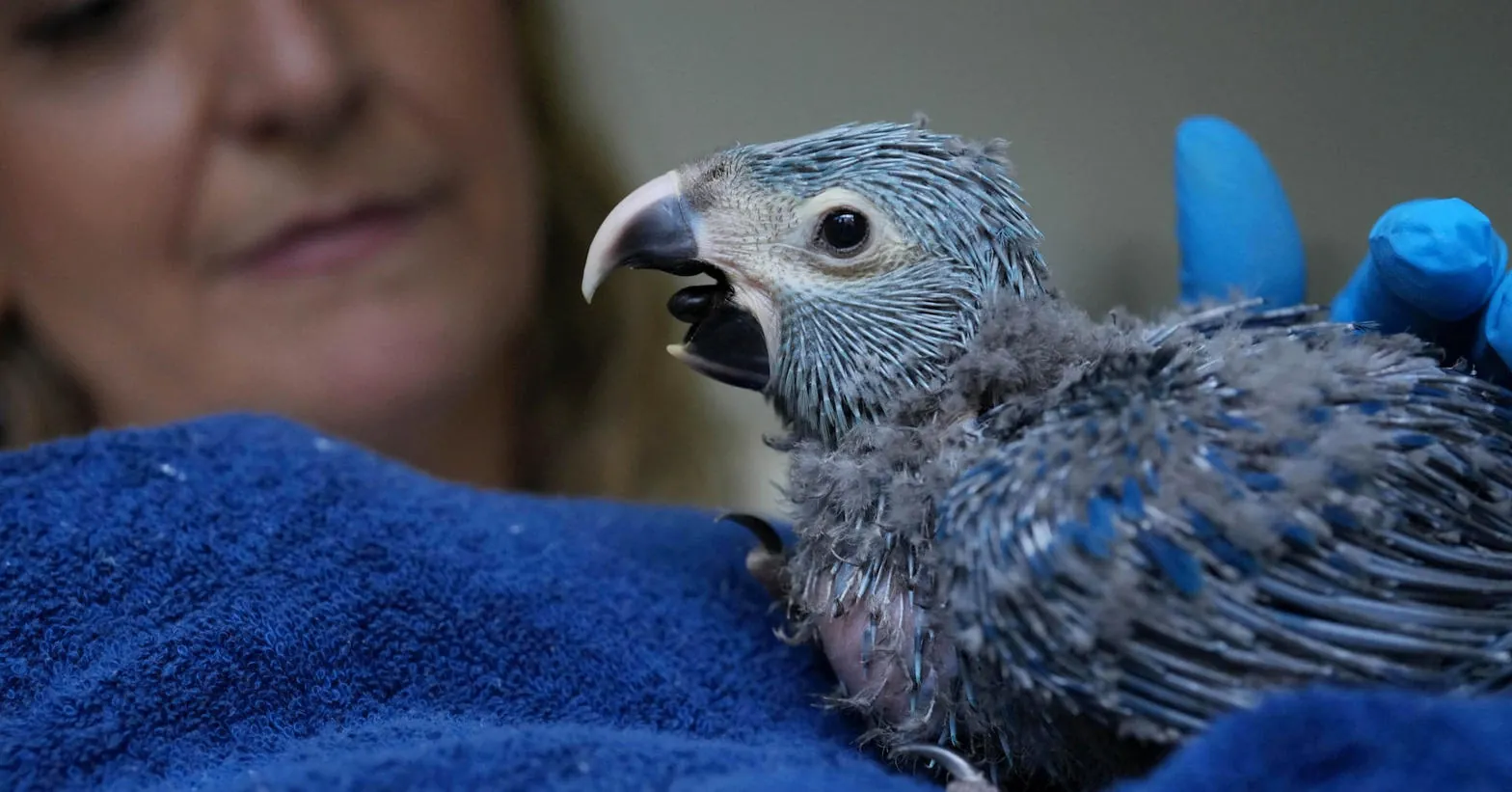
Guida holds Hope, a Spix's macaw chick.
Reuters, Tuesday: Fernanda Guida showed Hope, a Spix's macaw chick born in October at the Sao Paulo Zoo. The species has vanished from the wild. The photograph is November 24.
Science
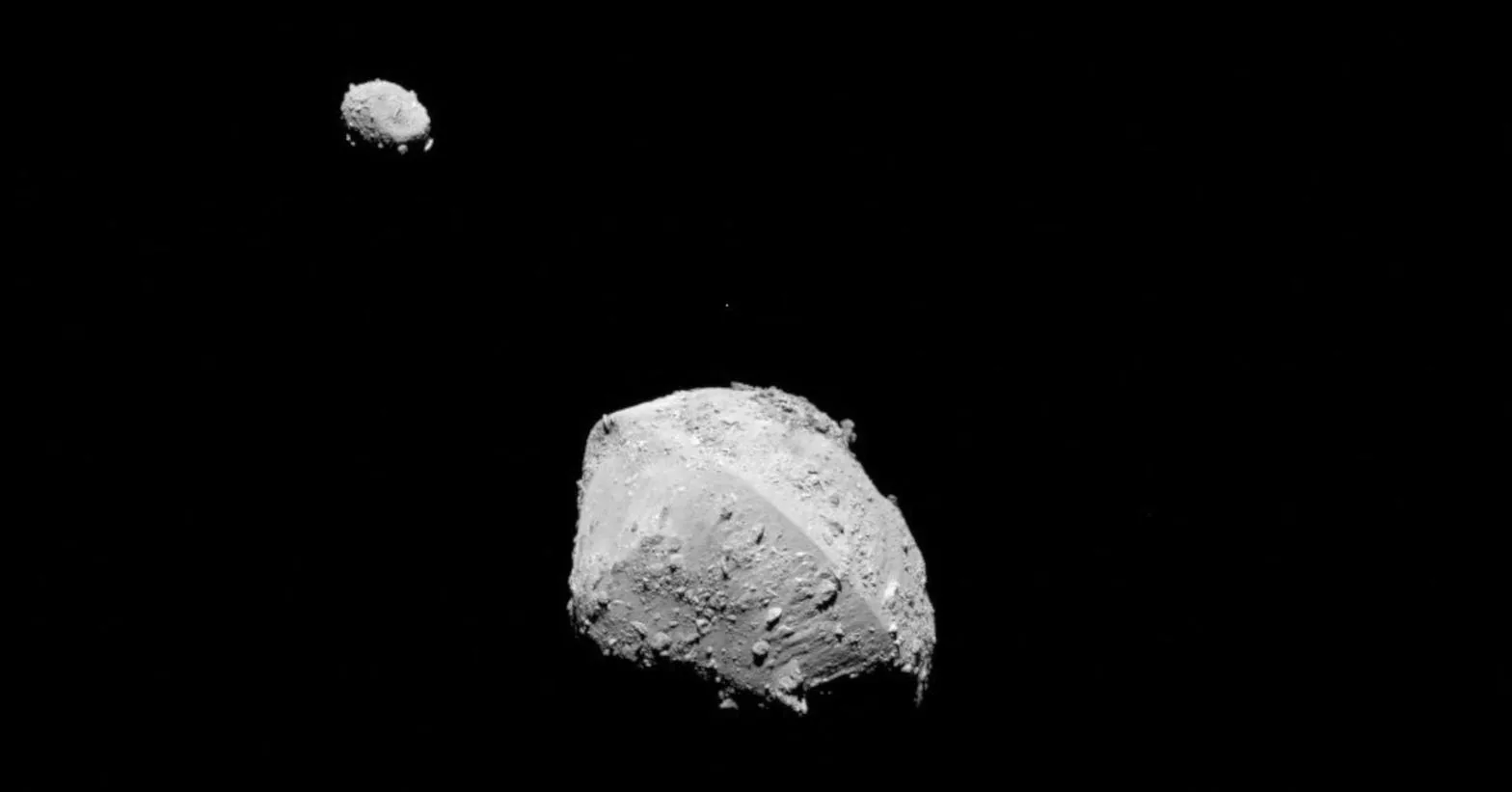
Hera shows the crater DART cut into Dimorphos.
Reuters, Wednesday: images from the European Space Agency's Hera spacecraft show one side of Dimorphos flattened by a stadium-sized crater. The asteroid is tumbling. The photograph was taken November 7.
Science
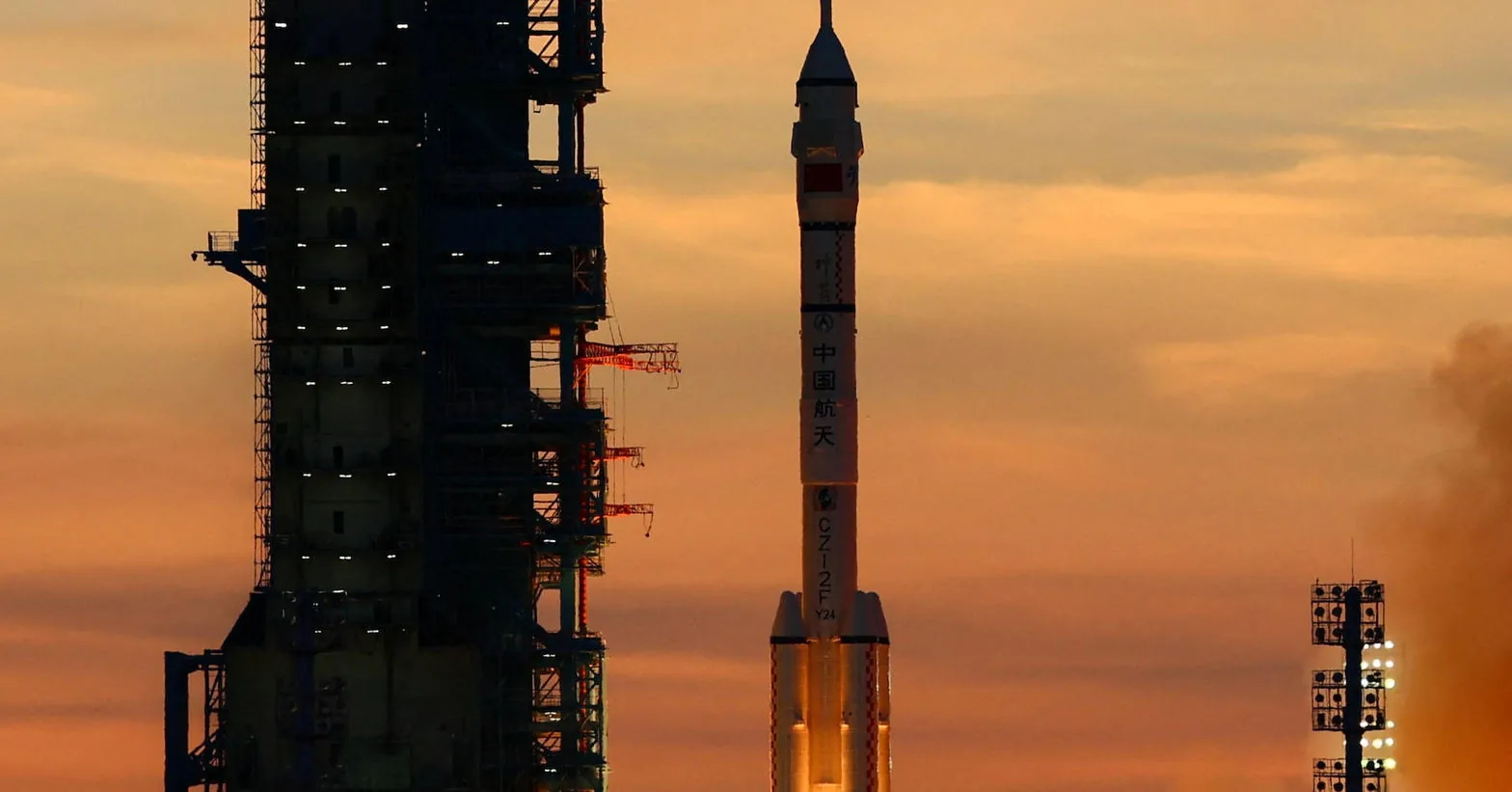
Shenzhou-24 lifts off from Jiuquan.
Reuters, Wednesday: the spacecraft launched at 8:18 a.m. China time, 0018 GMT, on a Long March-2F. The crew is Tang Hongbo, Wu Yi and Pakistani pilot Muhammad Zeeshan Ali. The photograph is the rocket, not the crew.