
Editorial
Hormuz: peace signed in green ink
The war evaporated faster than the ink. What was presented as a handshake was a deposit.
Paco Baca · EditorJune 16, 2026 · 5 min read
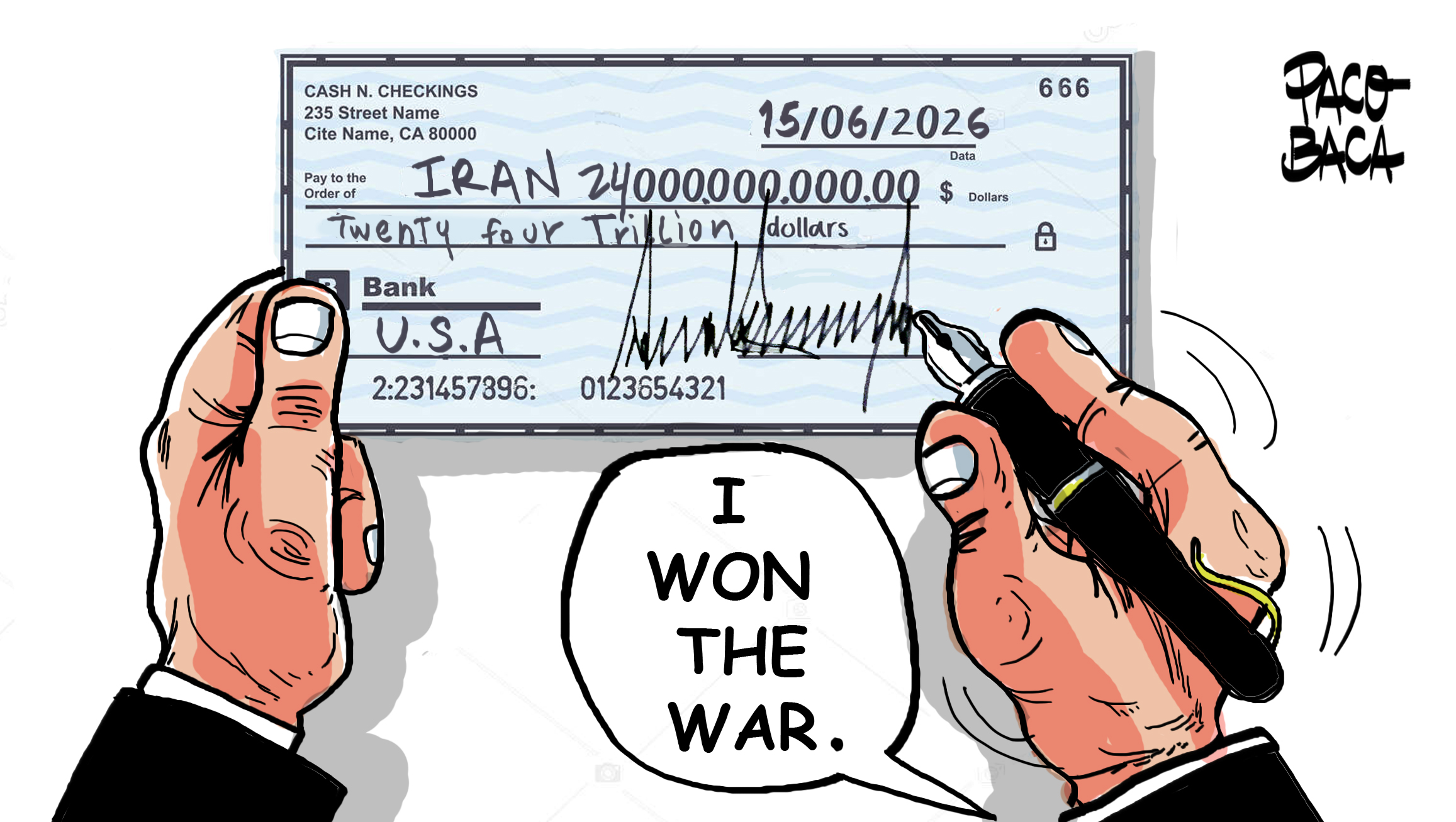
On June 15 the United States and Iran put names on a page that reopened the Strait of Hormuz. Pakistan’s prime minister, Shehbaz Sharif, stood as mediator. The photograph will be filed under diplomacy. The ledger will be filed under cash.
What was sold as a solemn handshake was a transaction. Sovereignty and national pride left the room the moment a check with more zeros than casualties arrived on the table. A president who once promised fire and fury now smiles like a banker closing. A general who swore eternal resistance signs with a steady hand. Resistance, it turns out, was negotiable once the deposit cleared.
Resistance, it turns out, was negotiable once the deposit cleared.
Video
The war evaporated faster than ink in water. Sunken ships, apocalyptic threats, anonymous dead — footnotes. Oil moves. Markets inhale. Speeches tie themselves in knots to explain the unjustifiable. A memorandum is signed electronically; a ceremony is promised for Friday; the Revolutionary Guard says Iran will see half of some $24 billion in frozen funds before talks even begin; Washington says none of the money moves until compliance is demonstrated. Israel says it is not bound.
Peace that can be wired is not peace. It is a pause purchased in green ink. The strait is open. The receipt is longer than the treaty.
Filed under Opinion
Keep reading
Editorial
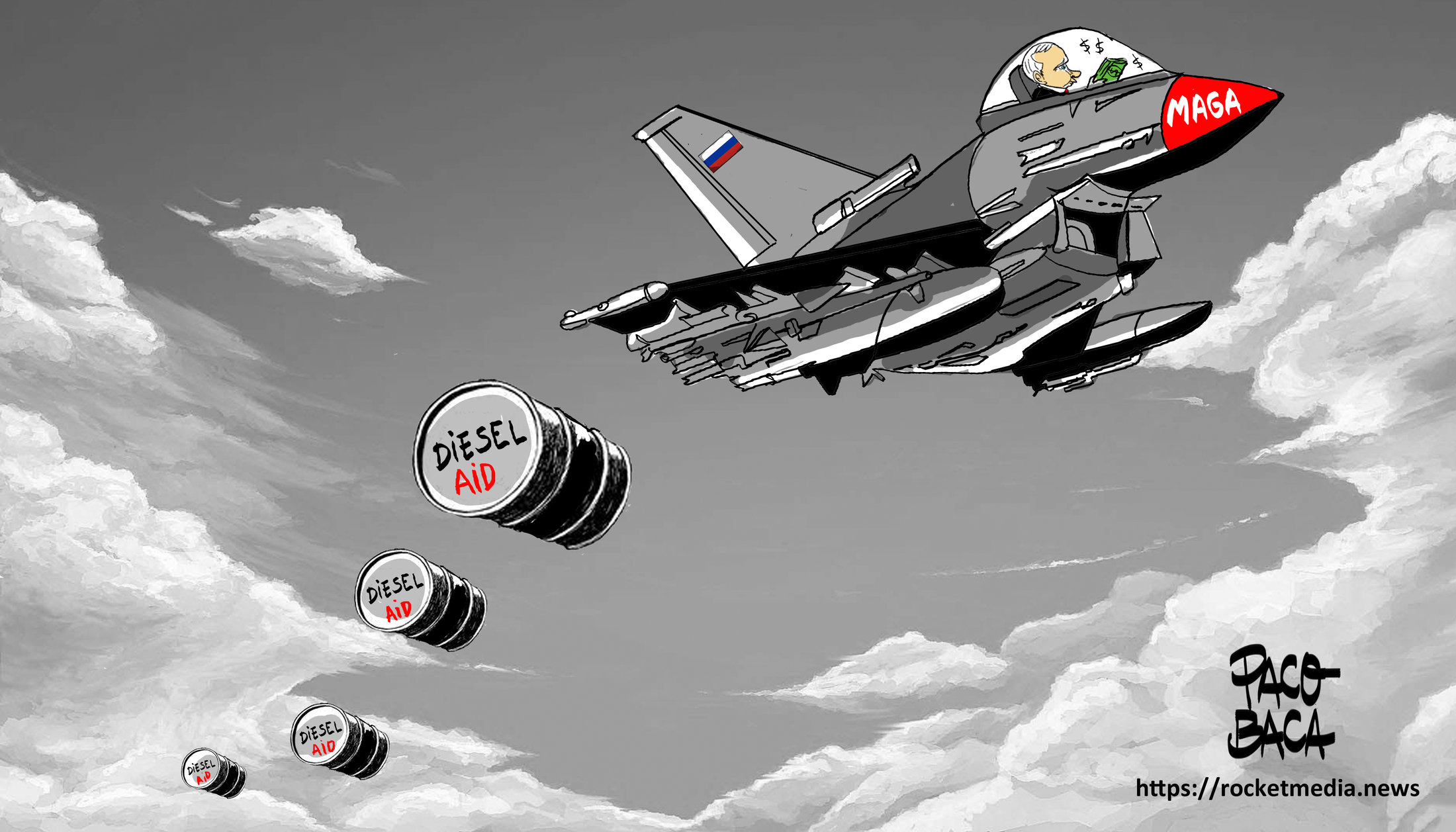
The Diesel of Democracy
The road to electoral salvation runs through Moscow’s fuel depots.
Editorial
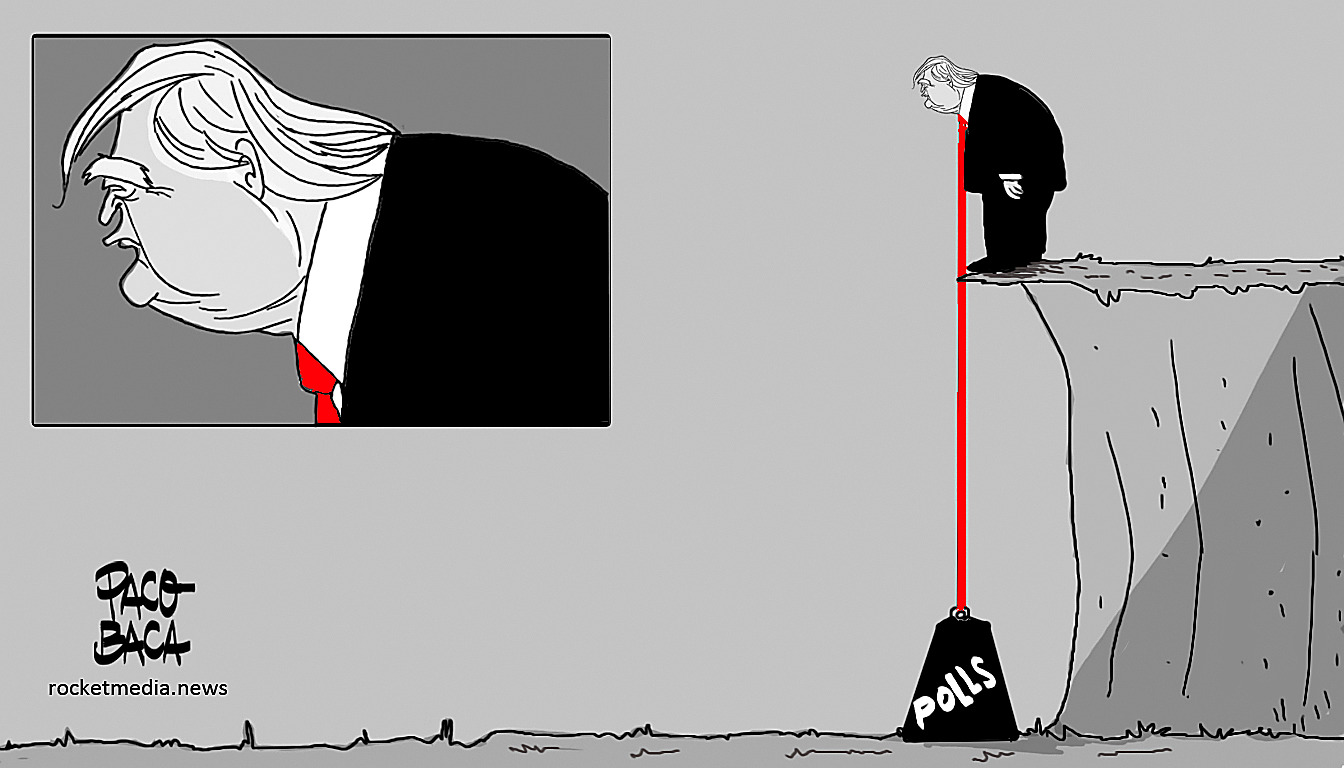
From Triumph to Twilight
The fading glow of a political phenomenon that once seemed unstoppable.
Editorial
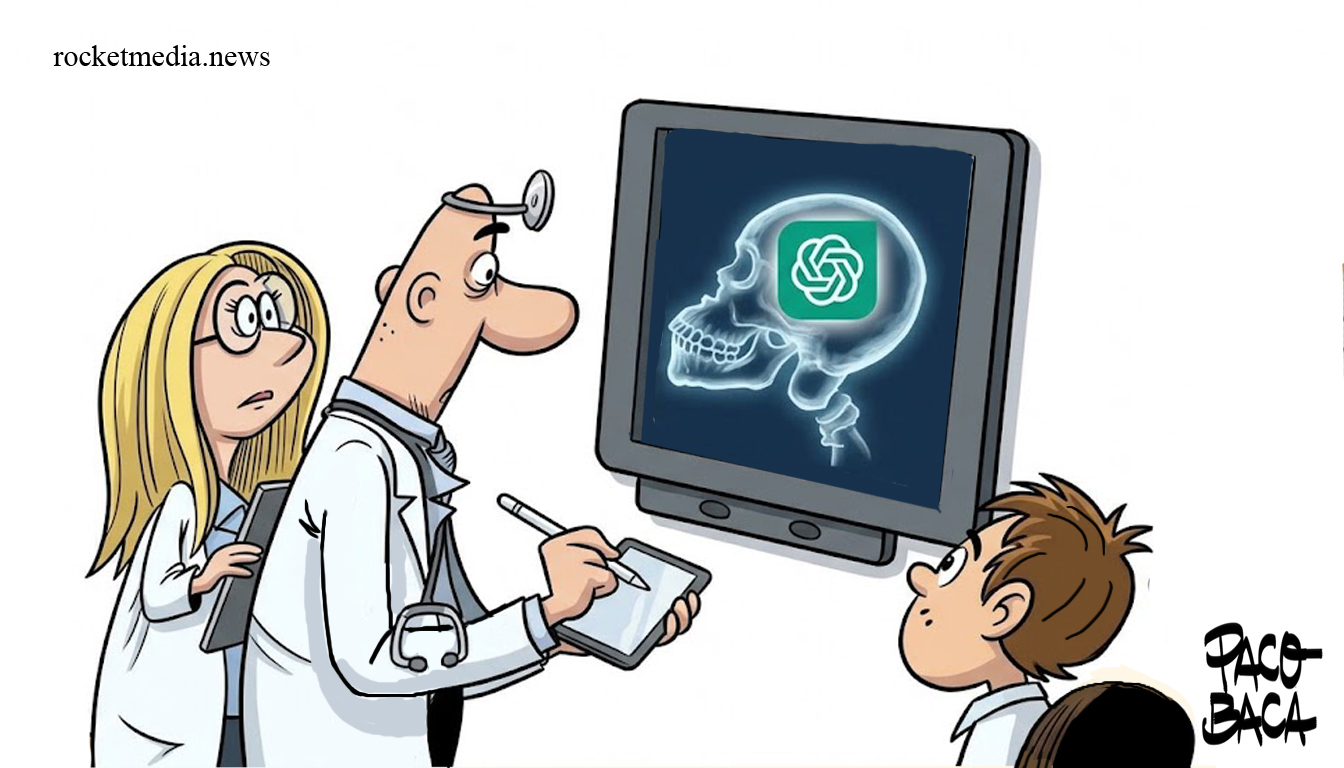
The Metamorphosis of Learning
From the wide-ruled notebook to the tablet. Are we shaping thinkers, or users?