
Editorial
A tangled web: Iran, Netanyahu, and the ghost of Epstein
Bombs do not erase scandals. They amplify them.
Paco Baca · EditorMarch 25, 2026 · 5 min read
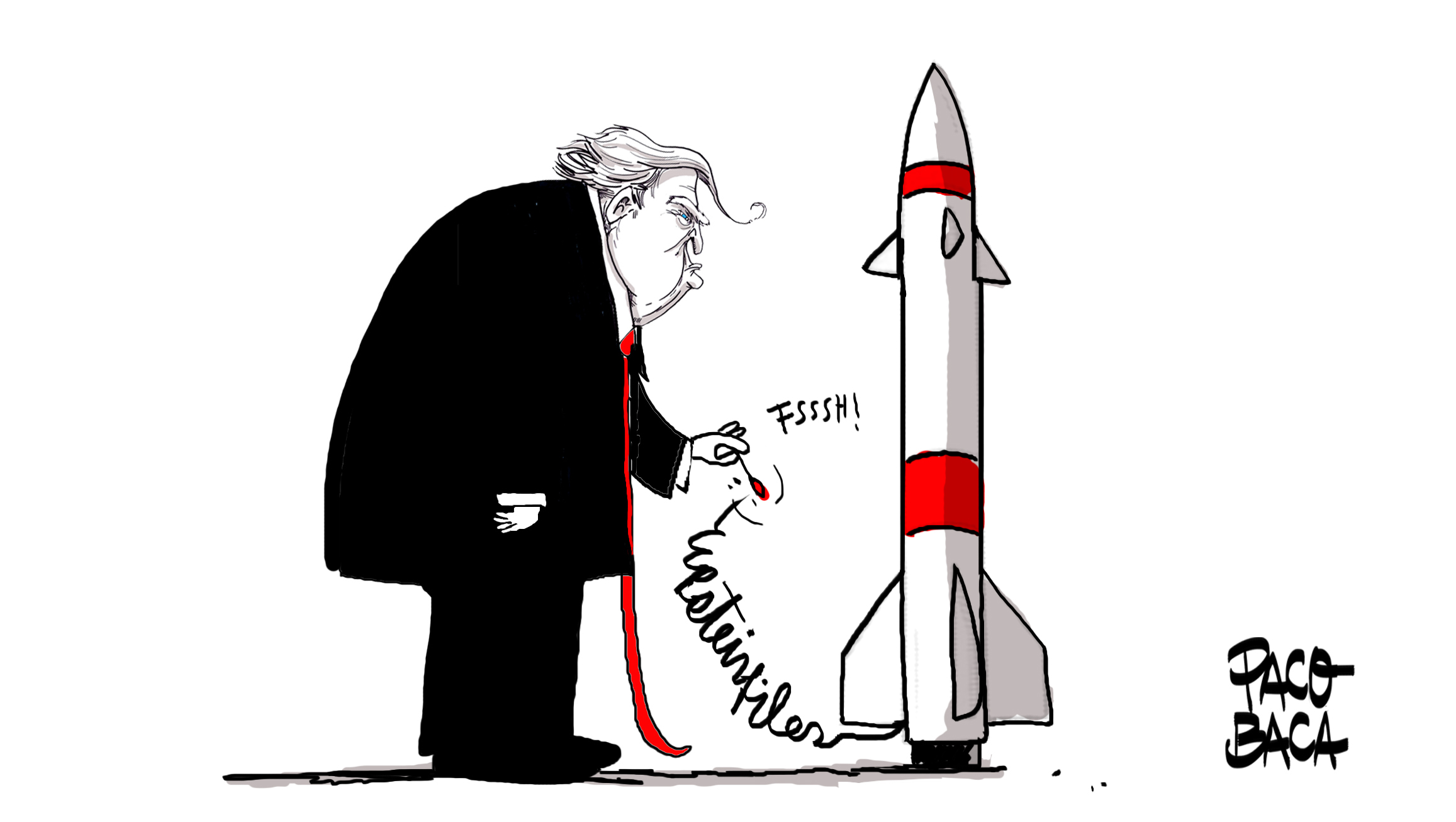
Recent history has become a labyrinth in which the president advances without a compass. After Ali Khamenei’s death on February 28, Iran entered a brittle transition. The same day, joint American and Israeli strikes on Tehran and Sanandaj opened an escalation that did not pause for the obituaries.
By March 1, Tehran had rejected talks with Washington. Two days later a Kuwaiti battery shot down American aircraft by mistake — a reminder that alliances in that theater are as fragile as the air-defense picture. On March 20, Tomahawks from a U.S. destroyer hit Iranian military sites. War was no longer a briefing. It was a city on fire.
The web he stepped into was already too tight to leave.
Video
The count, as filed: more than forty airstrikes in three weeks; hundreds of Iranian civilians dead by United Nations tally; American dead and wounded at bases in Iraq and Syria; ballistic fire on Israel. The White House talks of “setting conditions.” The pictures talk of something else. Netanyahu appears to write more of the script than any American speechwriter would admit. Meanwhile the Epstein files keep surfacing — an old ghost the noise of war is supposed to drown and does not.
Bombs do not erase scandals. They amplify them. The web he stepped into was already too tight to leave.
Filed under Opinion
Keep reading
Editorial
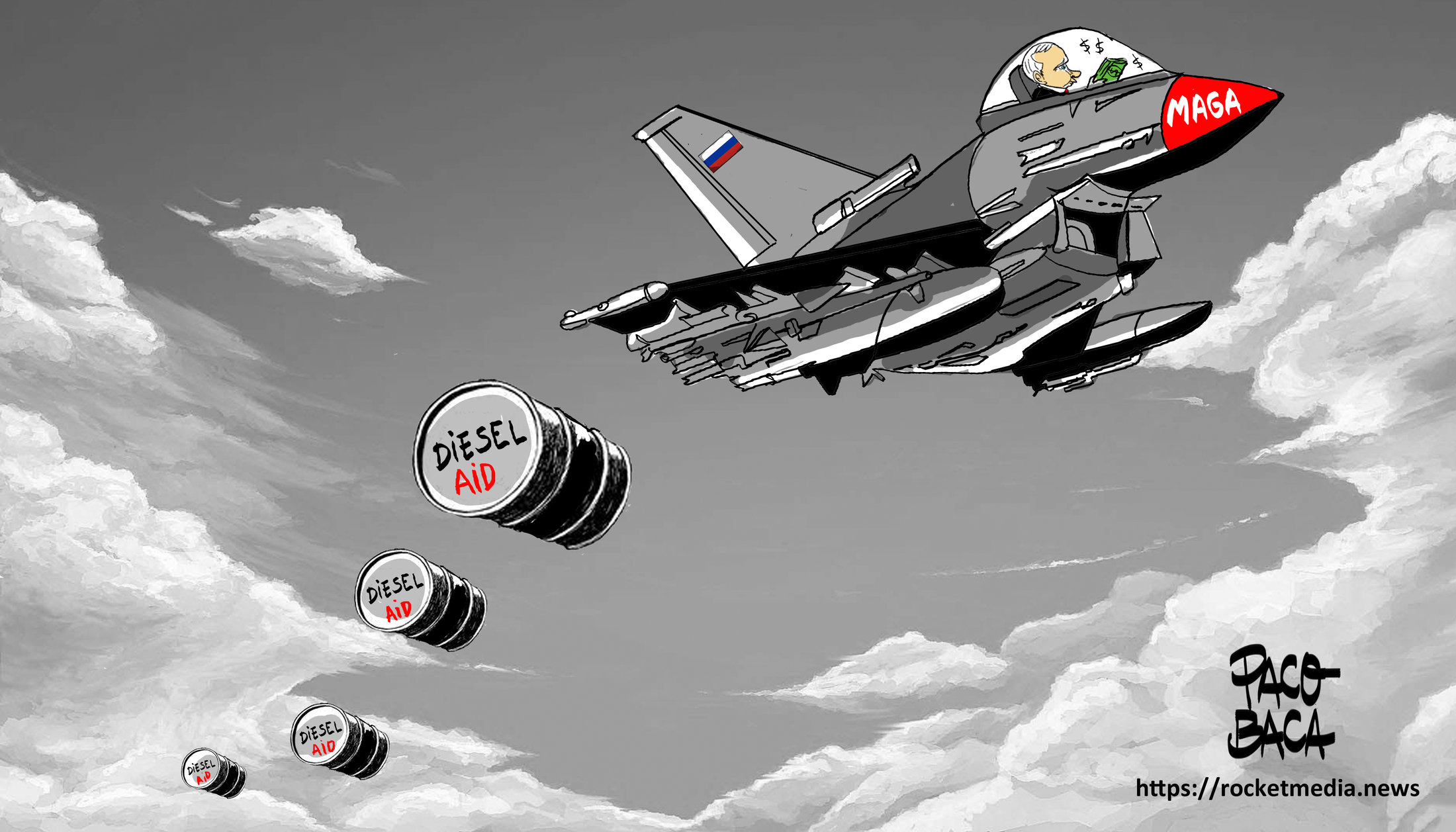
The Diesel of Democracy
The road to electoral salvation runs through Moscow’s fuel depots.
Editorial
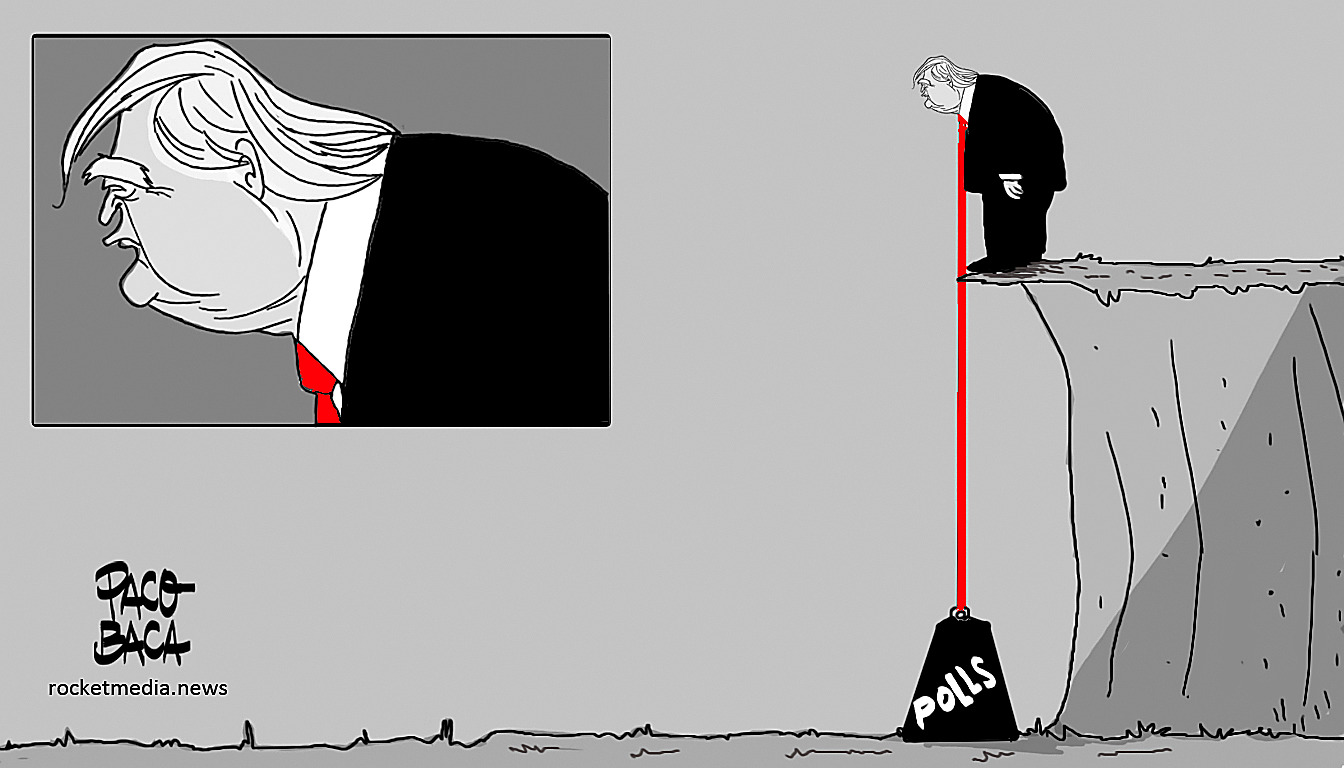
From Triumph to Twilight
The fading glow of a political phenomenon that once seemed unstoppable.
Editorial
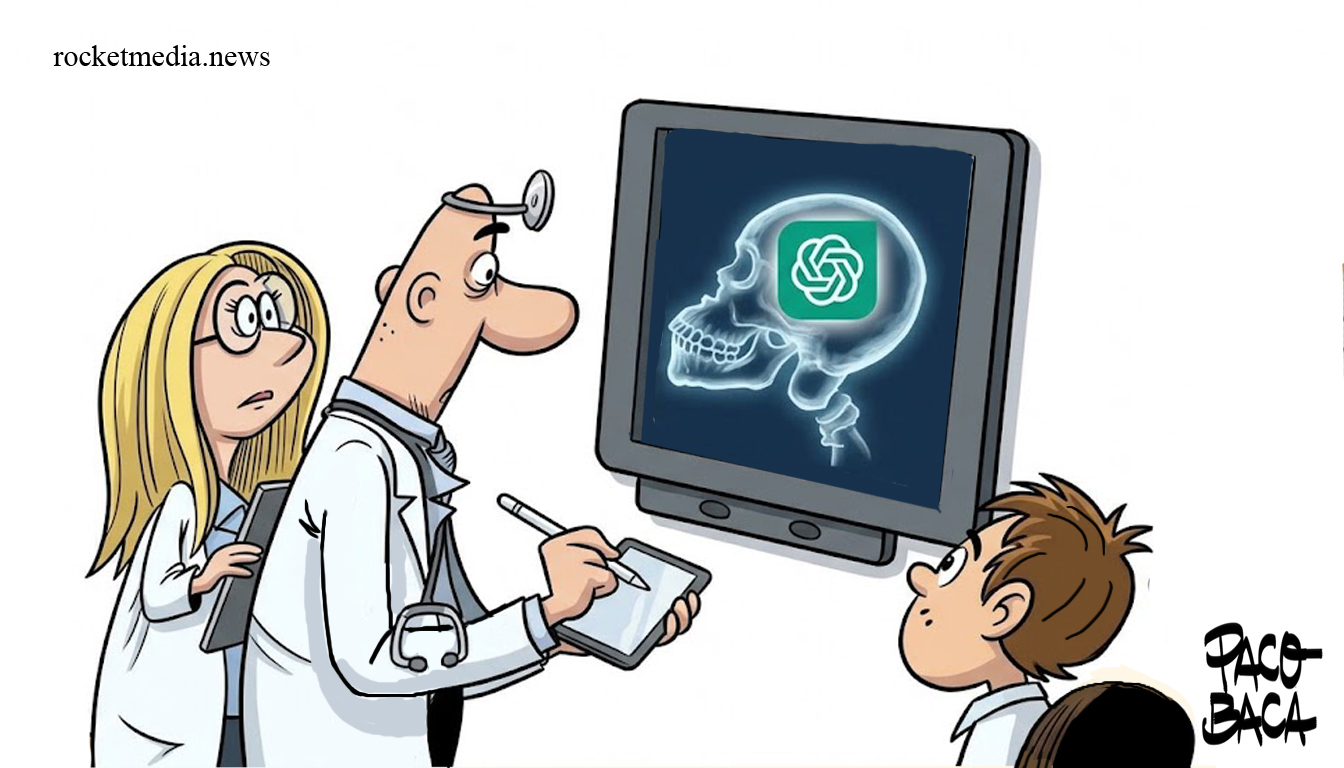
The Metamorphosis of Learning
From the wide-ruled notebook to the tablet. Are we shaping thinkers, or users?