
North America
Trade War Reloaded: U.S. vs. Canada
What began as a tariff skirmish is now a collision of identities — and a $382 billion corridor is the battlefield.
The Rocket News · Washington Bureau · WashingtonAugust 26, 2026 · 7 min read
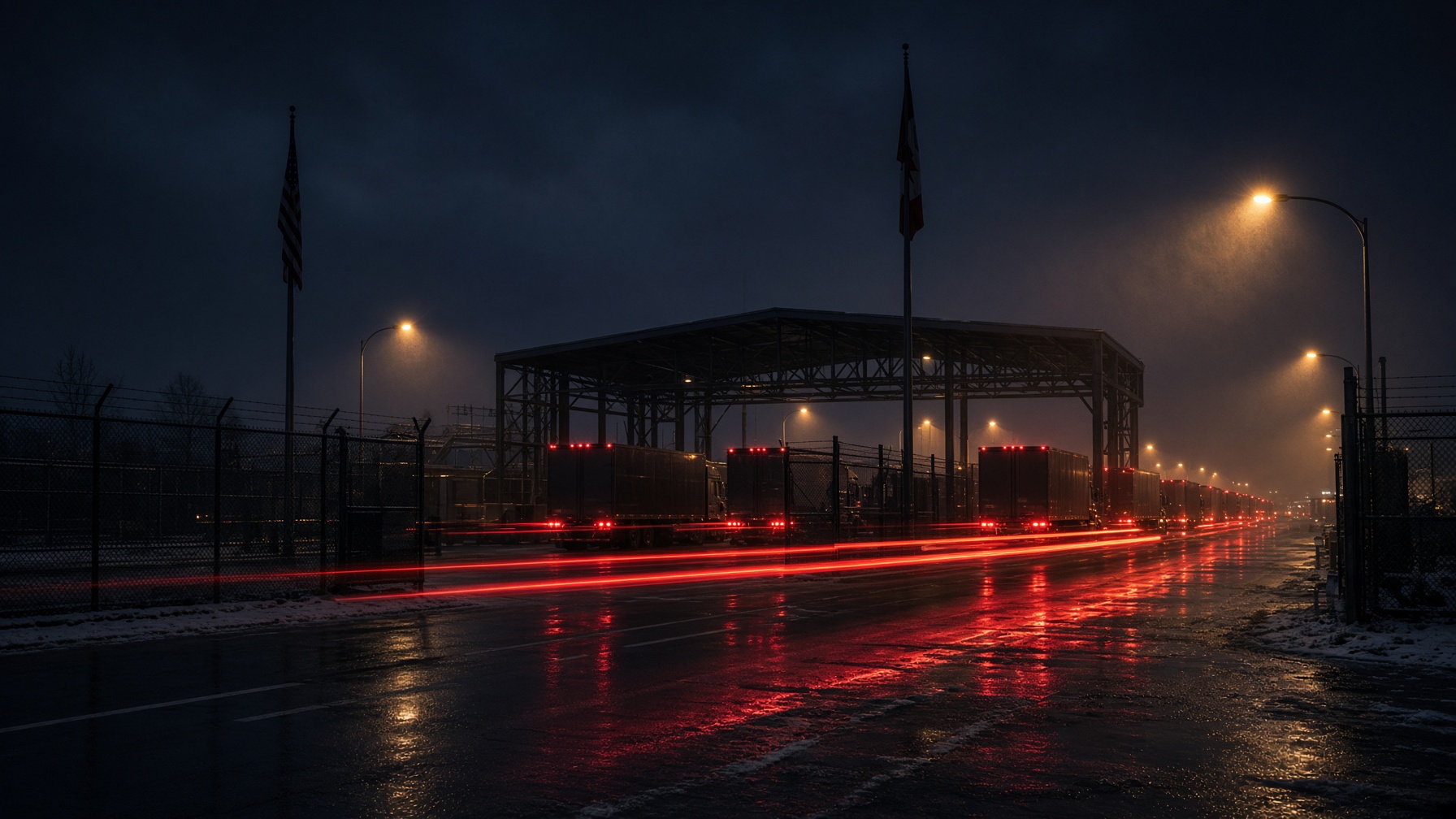
What began as a tariff skirmish has hardened into a full-scale confrontation between Washington and Ottawa. The collapse of negotiations triggered Canada’s counterpunch: tariffs of up to 50 percent on more than 700 American products — a direct strike at a $382 billion trade corridor that, for a generation, stood as the quiet monument of North American integration.
Prime Minister Mark Carney’s language cut through the usual diplomatic fog. “When you’re attacked, you’re at war.” It was not a metaphor crafted for cable news. It was a legal and political posture: the smaller partner announcing that it would no longer treat humiliation as the cost of proximity.
When you’re attacked, you’re at war.
Video
The American list of demands went far beyond steel and dairy. Washington pressed Canada to loosen cultural and linguistic protections, revive the Keystone XL pipeline, and yield on questions that Ottawa still files under sovereignty. The president’s habit of calling Carney “Governor” and floating Canada as a 51st state did not land as a joke in a country that has spent two centuries refusing to be one.
The battlefield is ordinary life. Autos, aluminum, clothing, fish, even toilet paper have been drafted as pawns. Canada, whose factories still lean on the American market, will feel the pain first. American households will feel it next, as prices climb and supply chains that were designed to ignore the border remember that the border exists.
The political timing is not accidental. Analysts in both capitals warn that Ottawa could weaponize oil shipments into the Midwest — a strike aimed not at the White House lawn but at the voters who heat their houses with Canadian crude as midterm season opens. Leverage has replaced diplomacy. Survival has replaced the talking points of “friends, neighbors, allies.”
North America is discovering, late, that a trade bloc is not a family. It is a contract. And contracts, unlike family, can be torn up in public.
Filed under Politics
Keep reading
The midterms
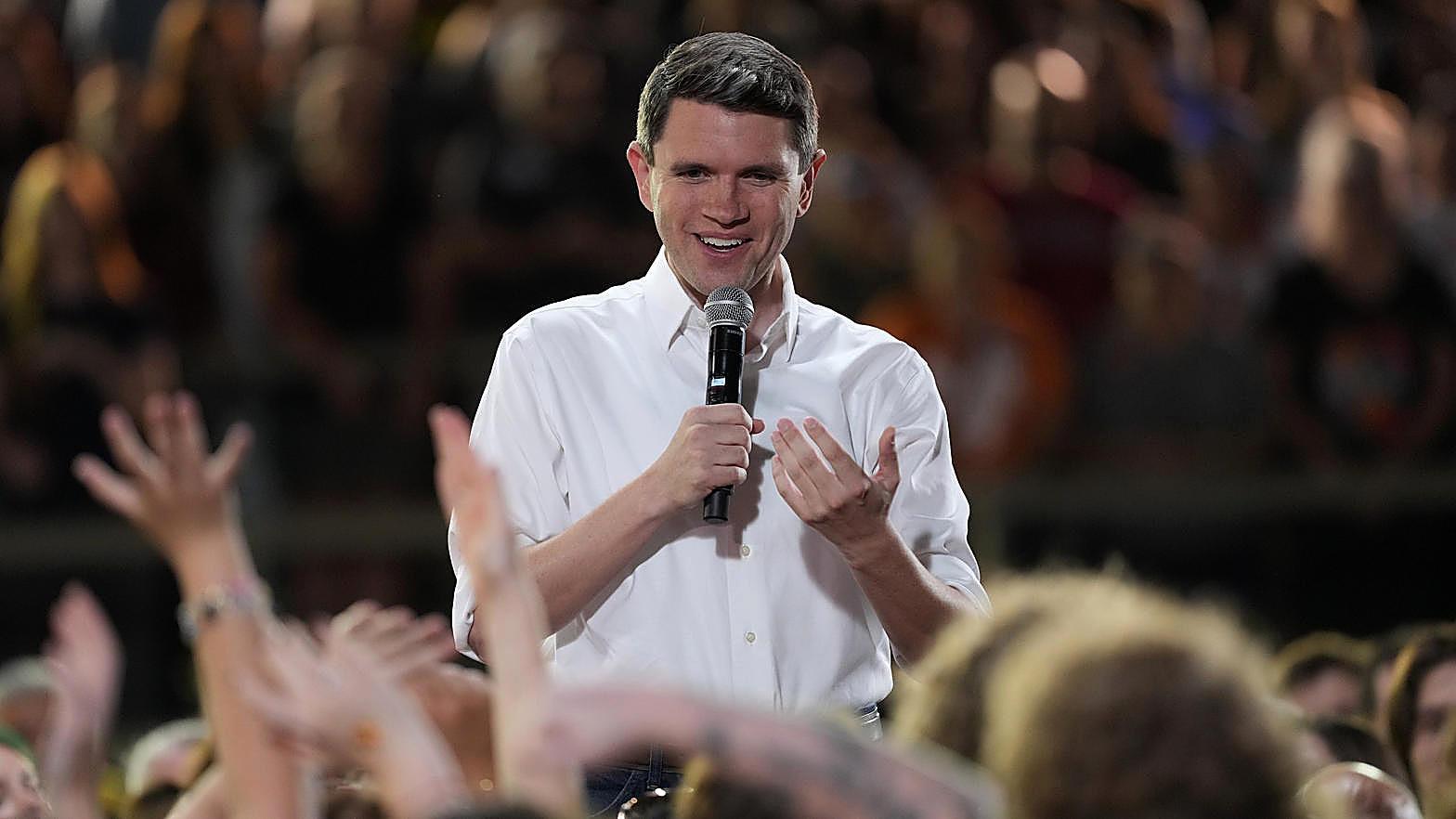
Texas opened early voting. The Senate seat can decide the chamber.
Ballots can be cast through Oct. 30. Attorney General Ken Paxton, the Republican, is against state Rep. James Talarico. A CBS News poll had the race tight, with Talarico slightly ahead.
Video · CBS19
The midterms
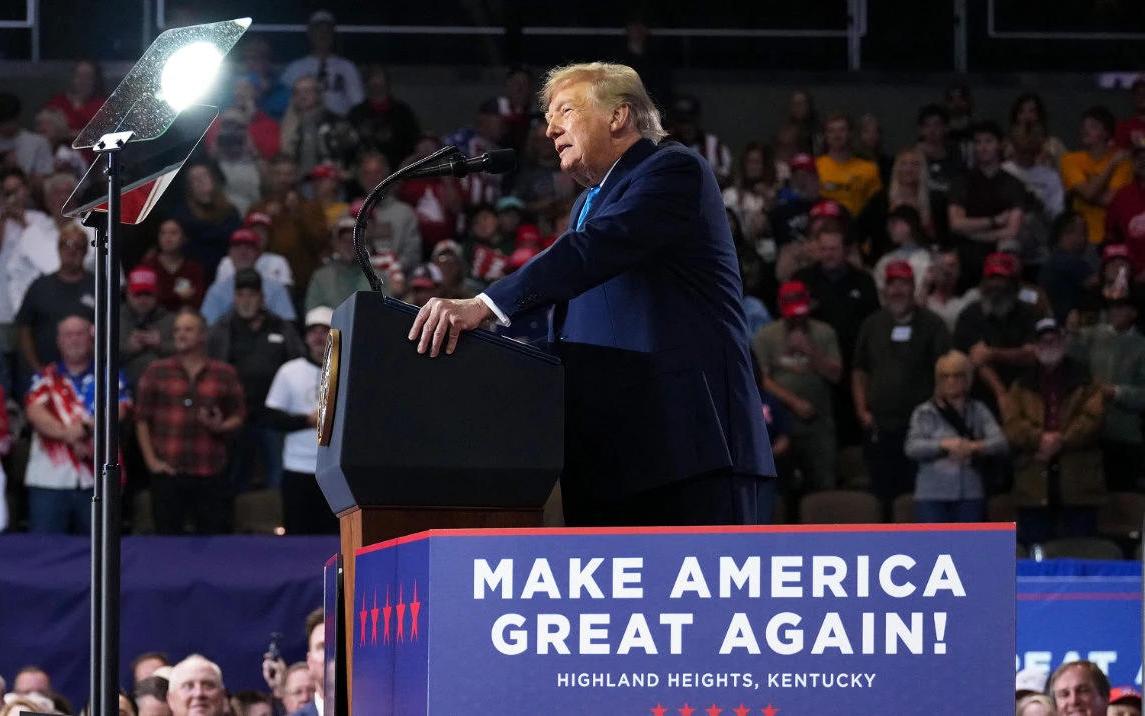
Trump told Kentucky he can do stuff that is unbelievable.
At Truist Arena in Highland Heights he said this term is “much more powerful,” asked voters to pretend he is on the ballot, and called Rep. Thomas Massie a “jerk” and a “loser.” About half the arena clapped. Half did not.
Video · Right Side Broadcasting Network
The midterms
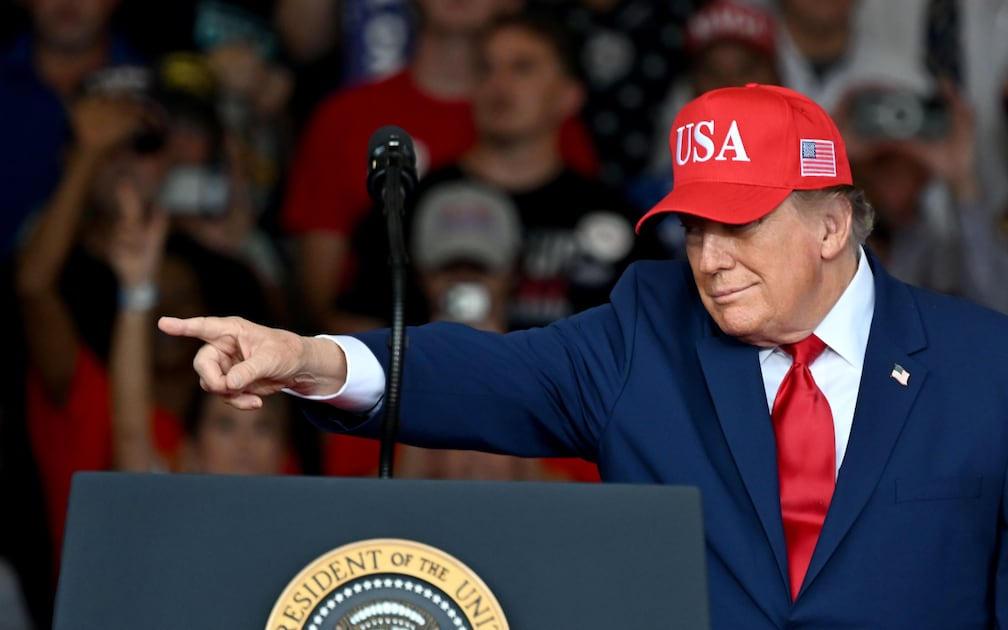
Trump told Georgia to pretend he is on the ballot.
At Dalton Municipal Airport on Friday he stood with Mike Collins and Rick Jackson. “You have to pretend I’m on the ballot,” he said. He called Sen. Jon Ossoff “Pee-wee Herman.”
Video · Forbes Breaking News