
Middle East
Both sides accuse the other of breaking the Hormuz ceasefire
Iran says the United States hit a tanker. Washington blames Tehran. The strait does not care who started the press release.
The Rocket News · World War Desk · Strait of HormuzJune 22, 2026 · 5 min read
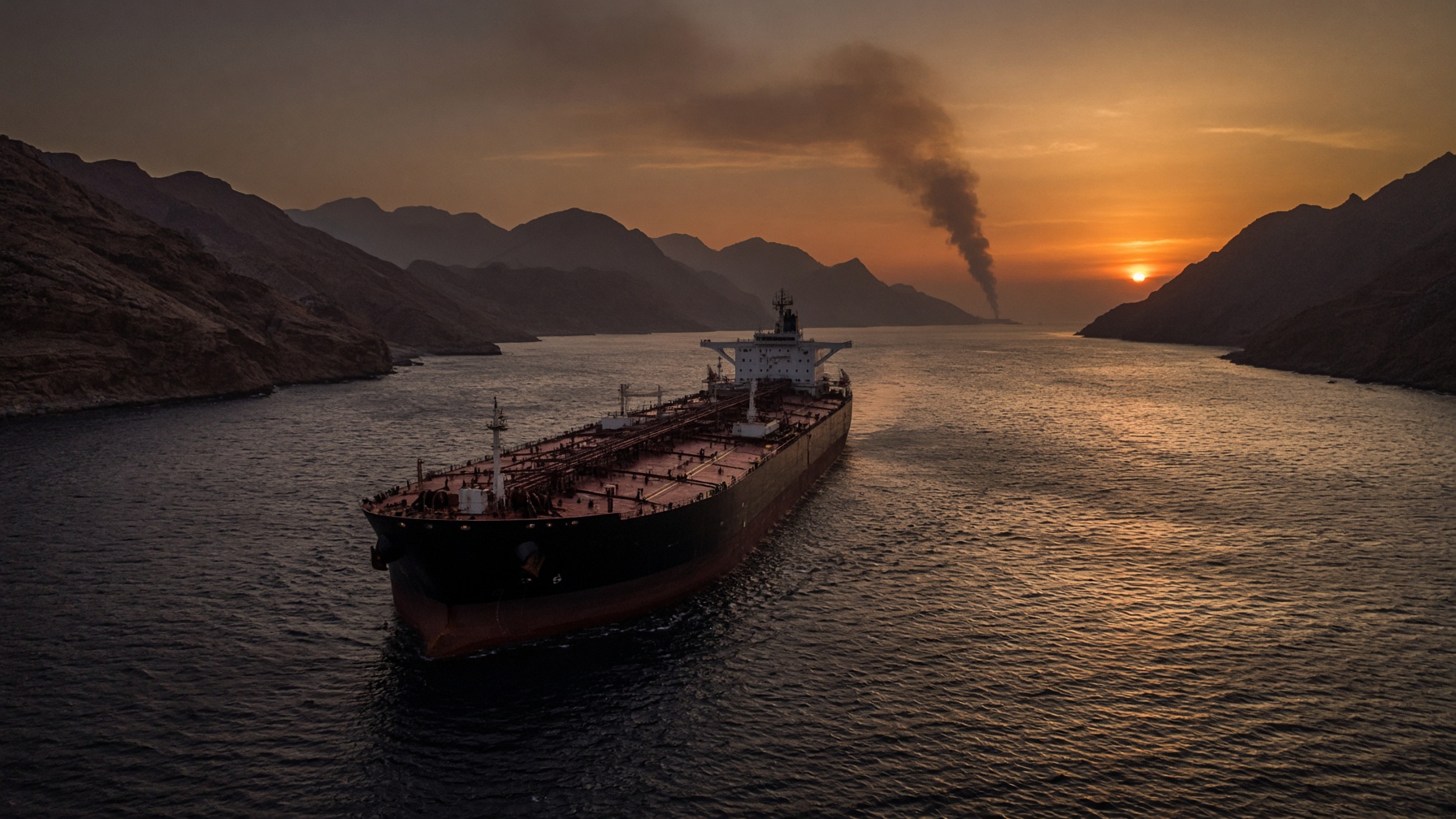
Iran and the United States have accused each other of violating the ceasefire that was supposed to keep the Strait of Hormuz — the funnel through which a fifth of the world’s seaborne oil still tries to pass — from becoming a shooting gallery again. Tehran says American forces initiated strikes on an Iranian oil tanker. U.S. officials say Iranian units fired first. The water, as usual, has not issued a clarification.
The geography is older than the press releases. Hormuz is a choke point dressed as a shipping lane. Whoever can close it, or credibly threaten to, can tax the global price of everything that burns. That is why every “incident” in the strait is immediately translated into a claim of victimhood. The first audience is not the other navy. It is the insurance market.
A ceasefire that cannot keep a tanker unharmed is not a ceasefire. It is a pause with an alibi.
Video
Since late February, when overlapping operations turned the wider theater into what one European diplomat called “a funnel of gunpowder,” commercial captains have been sailing with two radios: one for the weather, one for the war. A ceasefire that cannot keep a tanker unharmed is not a ceasefire. It is a pause with an alibi.
Energy desks in Houston and Singapore do not wait for a United Nations report. They wait for the next column of smoke. Households will meet the same news as a number on a pump. The strait remains what it has been for half a century: a narrow piece of water on which a wide country has bet its idea of order.
Filed under World War
Keep reading
Ukraine
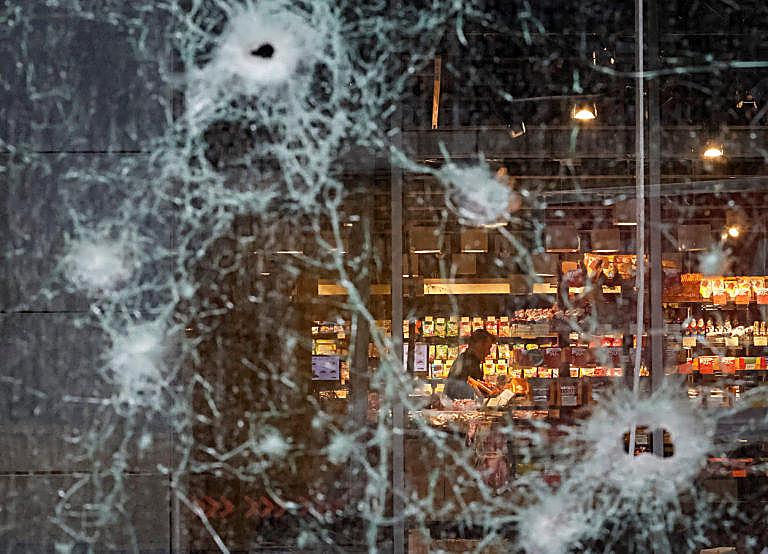
Russia hit Kyiv overnight. Zelensky said there was no warning.
A 21-year-old woman was killed. Zelensky said 16 ballistic missiles were fired at the capital and that more than half a million people lost power. He said partners sent no early warning.
Ukraine
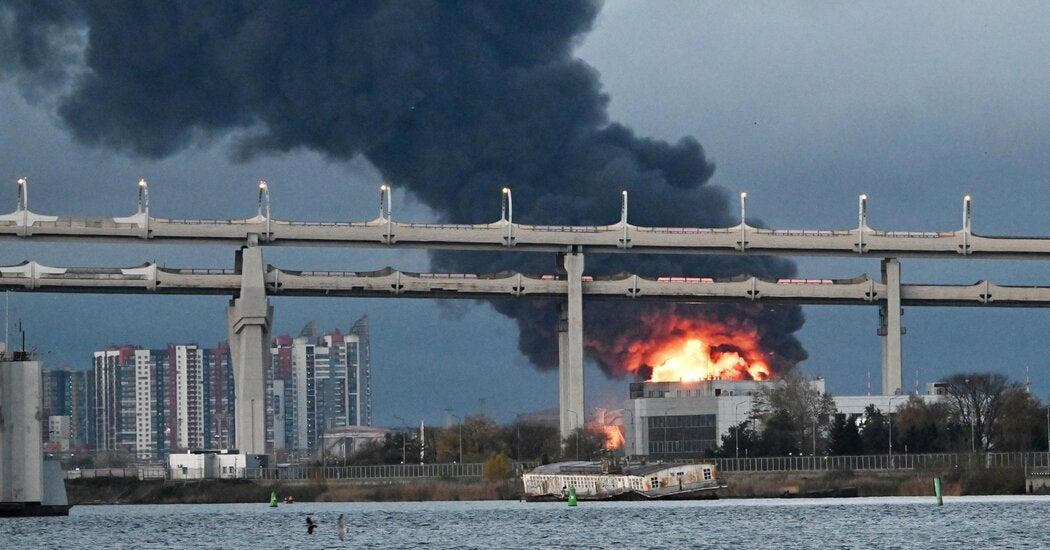
Ukraine set a St. Petersburg oil terminal on fire.
Local authorities said one person was killed and 15 were hurt. Russia said it downed 1,015 drones. Zelensky said Moscow has hit Ukraine’s energy sector 76 times since Trump announced an energy ceasefire.
Ukraine
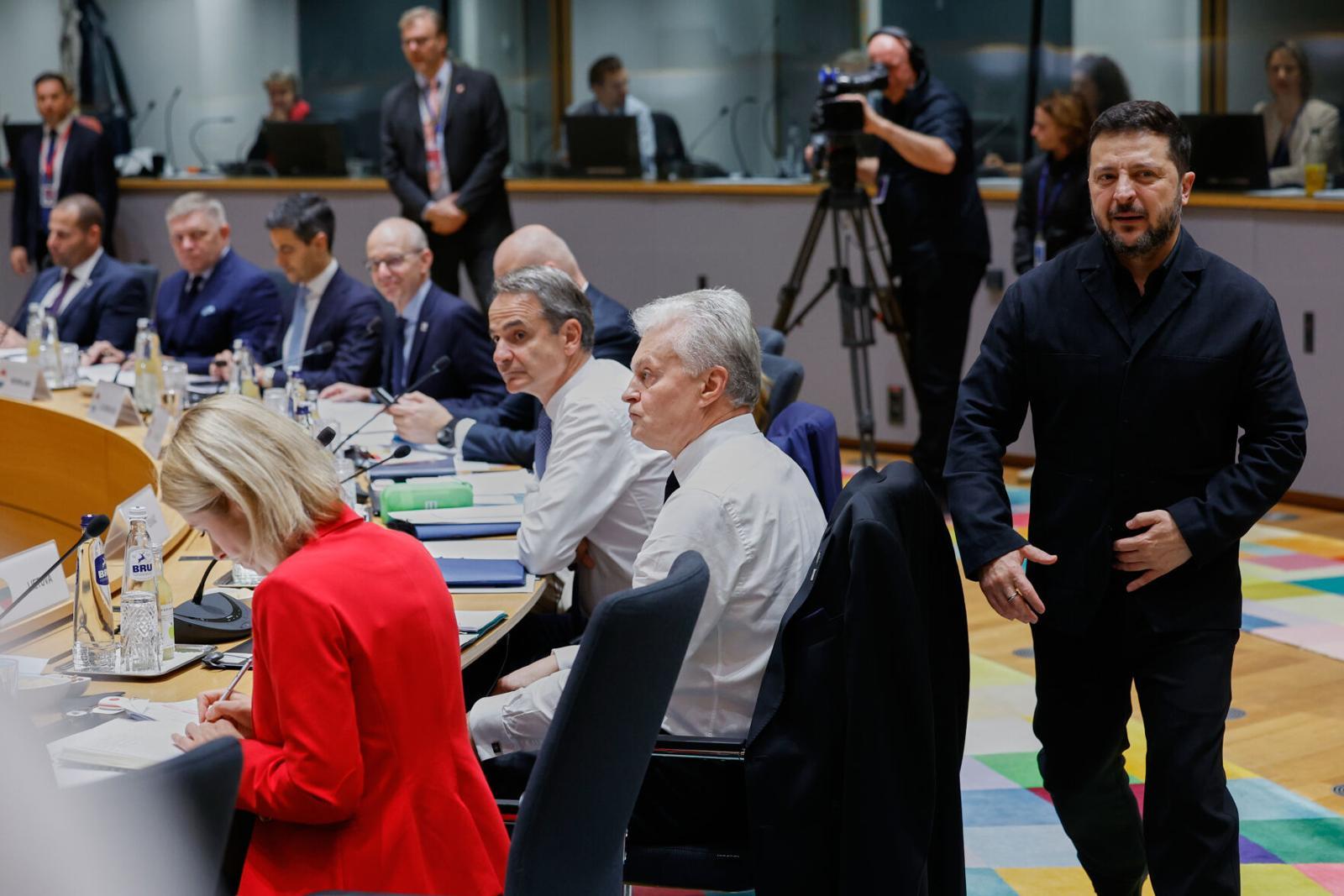
Zelensky said Russia hit more than 15 energy sites.
Ukraine’s air force said Russia launched four cruise missiles and 332 drones overnight. All of the missiles and 289 of the drones were stopped. Moscow said it hit steel plants and a substation. Reuters could not confirm that claim.