
The Gulf
Strait of Hormuz Shockwave
Tehran claims a prize catch: the Revolutionary Guard says it trapped a U.S. unmanned submarine at the mouth of the strait. The Pentagon says the drone broke.
The Rocket News · World War Desk · Strait of HormuzSeptember 8, 2026 · 6 min read
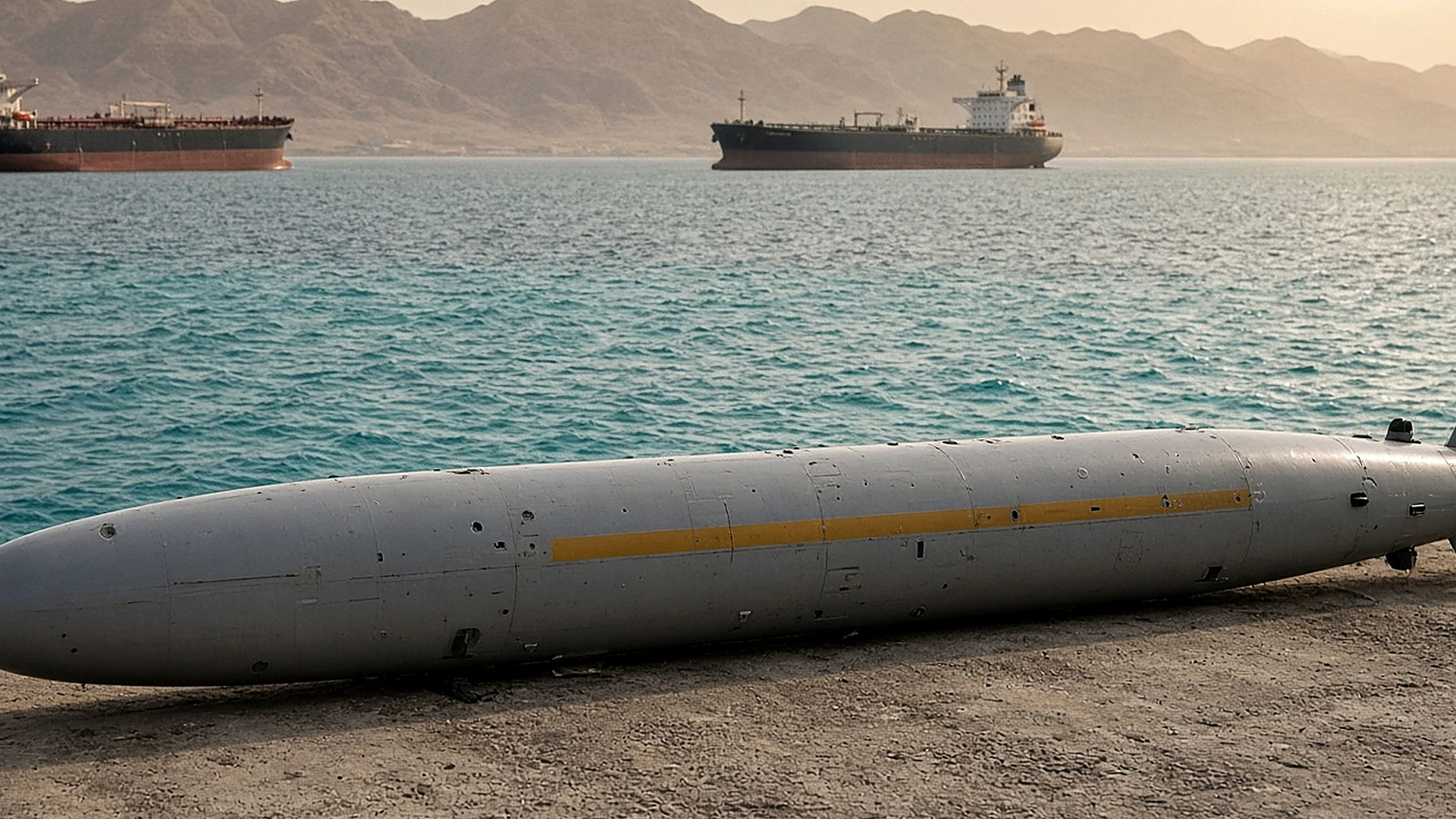
Tehran claims a prize catch. Iran’s Revolutionary Guard announced Tuesday that it had captured one of the U.S. military’s most advanced unmanned submarines at the mouth of the Strait of Hormuz. “This intelligent submarine is equipped with the world’s most advanced underwater technology,” the Guard declared on state television. The Pentagon, hours later, said the drone had broken. The War desk files the evening as a shockwave through a strait that already holds a fifth of the world’s oil.
According to Iranian officials, the seizure took place during a “complex intelligence operation” in the early hours of Tuesday. The craft, they said, was delivered to the American fleet in 2025. It can map the seabed, hunt mines, and inspect cables. Images of the captured vehicle, Tehran promised, would be released “within hours.” By the New York close they had not been.
This intelligent submarine is equipped with the world’s most advanced underwater technology.
Video
Iranian state media named the vessel a Dive-LD, a 19-foot autonomous underwater vehicle built by Anduril, the California defense firm. The company has said the submersible can carry out mine countermeasures, intelligence gathering, and the inspection of pipelines and undersea cables. DefenseScoop, in 2024, put the unit cost at about $2.5 million. The IRGC Navy, in Statement No. 12, said the vehicle is now in Iranian hands.
Washington answered with a shrug dressed as a fact sheet. Capt. Tim Hawkins, speaking for U.S. Central Command, told CNBC an underwater drone “malfunctioned more than a day ago.” It was “surveying regional waters in support of ongoing operations.” The defective drone, he said, “was an older model that neither collected sensitive data nor carried any classified sonar or radar equipment.” U.S. operations in the area, he added, continue. Neither Hawkins nor a Pentagon spokesperson confirmed that Iran had the hull.
The announcement lands on a blockade. Iran still enforces a closure of the Strait of Hormuz, the chokepoint through which nearly 20 percent of global oil and LNG exports normally flow. Washington has answered with a counter-blockade of Iranian ports. This morning the Houthis set Saudi oil ablaze and wounded 73. Brent tested $100. The same war, a second front, a third trophy.
Adding fuel, Iran now says it will charge transit fees to vessels crossing the strait, framed as funding for “environmental protection services.” The United States has rejected the idea outright: a tariff on the world’s oil, collected at gunpoint. The pump in Ohio does not read Sepah News. It will read the fee.
One captured submarine. One blocked strait. One more flashpoint in a conflict where oil, power, and propaganda collide. Eight weeks from the midterm, the American reader meets this story where the morning left it: at the gallon. Tehran has the photograph, or says it does. The Pentagon has a malfunction. The strait has the ships.
Wire and further reading: reuters.com
Filed under World War
Keep reading

Ukraine
A strike hit a market in Lozova.
Regional officials told Reuters that a Russian strike on a market in Lozova, near Kharkiv, killed two people and injured 36. This note is that strike. It is not Thursday morning’s missiles on Kyiv.
Ukraine
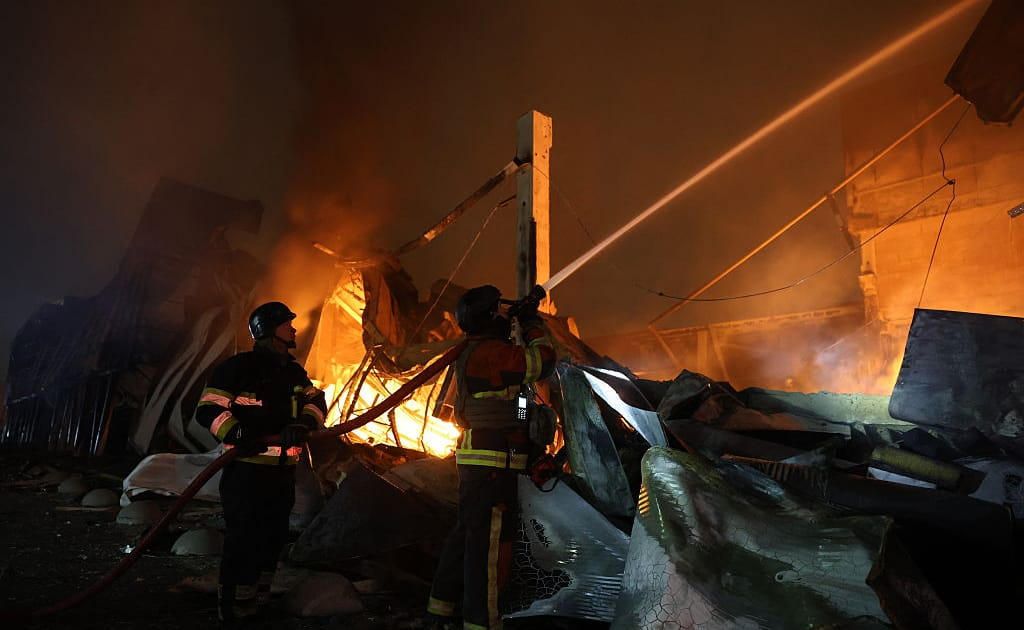
Missiles struck Kyiv before dawn.
A Reuters witness reported the strikes in the early hours of Thursday. Wednesday evening’s ballistic attack injured six. In Lipetsk, drones wounded one man. The wire used here does not give a Thursday death toll.

Ukraine
Four people were killed overnight, two of them in Kyiv.
A drone hit an apartment building in the capital. Near Kharkiv, an 83-year-old man and an 81-year-old woman were killed. The prime minister said power sites were hit in Kyiv, Volyn, Odesa, and Mykolaiv.