
The Gulf
Houthis set Saudi oil ablaze. 73 wounded. Brent tests $100.
Missiles and drones on four southern cities. Aramco sites on fire. Trump says the pump will fall when America wins.
The Rocket News · World War Desk · Riyadh / the GulfSeptember 8, 2026 · 7 min read
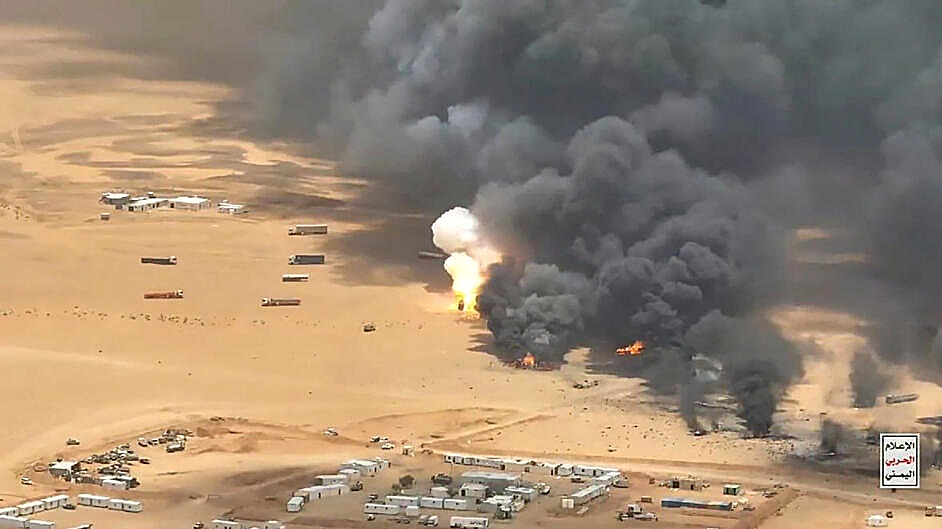
Yemen’s Iran-backed Houthis attacked four cities in the south of Saudi Arabia overnight, wounding 73 people and setting oil installations ablaze, Reuters reported Tuesday. The Saudi energy ministry said operations at some facilities were halted while crews fought the fires. Women and children were among the wounded. The War desk files a second front in a six-month war: the world’s top oil exporter, on fire, while Brent tested $100.
The Houthis named the targets. Brig. Gen. Yahya Saree said they had fired dozens of ballistic missiles and drones at Saudi Aramco facilities in Abha, Najran and Jazan, and at King Khalid Air Base in Khamis Mushait. Maj. Gen. Turki al-Malki, speaking for the Saudi-led coalition in Yemen, said the strikes hit “civilian and economic facilities” in those four cities. Jazan holds a 400,000-barrel-a-day refinery, among the kingdom’s largest. NASA satellite images, Reuters said, showed a thick cloud of black smoke over the plant and white smoke from an oil distribution center in Abha.
Oil prices will drop precipitously, like everything else is dropping, when we WIN the war with Iran.
Video
President Trump told Truth Social that oil would “drop precipitously” when the United States wins the war with Iran, and that gasoline would fall to three dollars a gallon, “ultimately, below two.” AAA’s national average is $4.15. The pump does not take dictation from a social post. The tape, this morning, did take the fire: Brent jumped above $99, the highest since July, then gave some of it back. West Texas was in the low $90s. The 10-year yield crossed 4.8 percent. The Dow opened lower.
Saudi Arabia said it would retaliate. The foreign ministry demanded a halt to strikes on Saudi territory and on oil tankers in the Red Sea. Al-Malki promised “operational measures” to defend sovereignty. The Houthis called the raid a response to “the enemy’s crimes.” No confirmed street photographs from the four cities were available. The kingdom keeps a tight hand on the picture. The smoke, from orbit, was enough for the oil desk.
The Jazan refinery has been hit before. The Houthis warned in July they would blockade Saudi oil flows; the complex went down days later and has been struck at least twice since. Amin Nasser, Aramco’s chief executive, said last month that interruptions had no material financial impact. Goldman Sachs, in a note Tuesday, modestly raised its oil-price forecasts and said risks remain “significantly tilted to the upside.” Markets, the bank wrote, are pricing a prolonged Middle East conflict.
This is the same war the White House still prefers not to name. Iran closed Hormuz in February. American and Israeli strikes have been answered. A fifth of the world’s seaborne oil tries to pass a funnel of gunpowder. The Houthis, Tehran’s most useful militia, have now walked the war onto Saudi soil in volume — 73 wounded is not a probe. It is a raid. Riyadh spent months trying not to be drafted. The fire drafted it.
The American reader meets this story at the pump and at the midterm. Eight weeks from November 3, a $4.15 gallon is a ballot. The president’s forecast is victory, then $2 gasoline. The World desk files the morning as it is: a kingdom on fire, a strait still dangerous, and a number that has not dropped precipitously.
Wire and further reading: reuters.com
Filed under World War
Keep reading
Ukraine
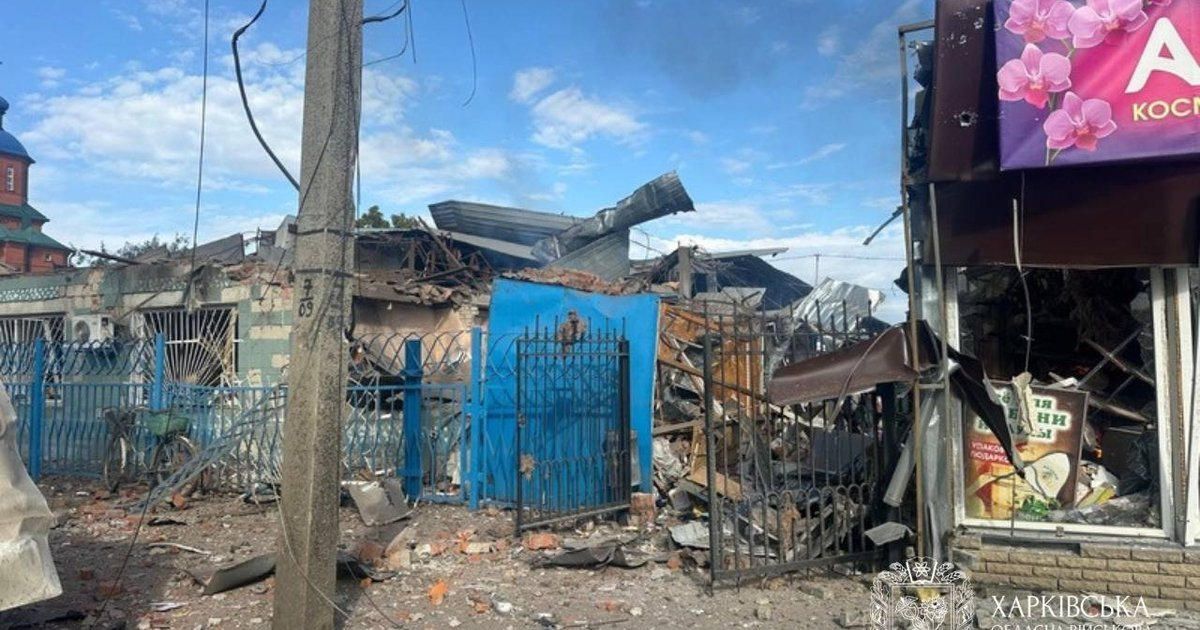
A strike hit a market in Lozova.
Regional officials told Reuters that a Russian strike on a market in Lozova, near Kharkiv, killed two people and injured 36. This note is that strike. It is not Thursday morning’s missiles on Kyiv.
Ukraine
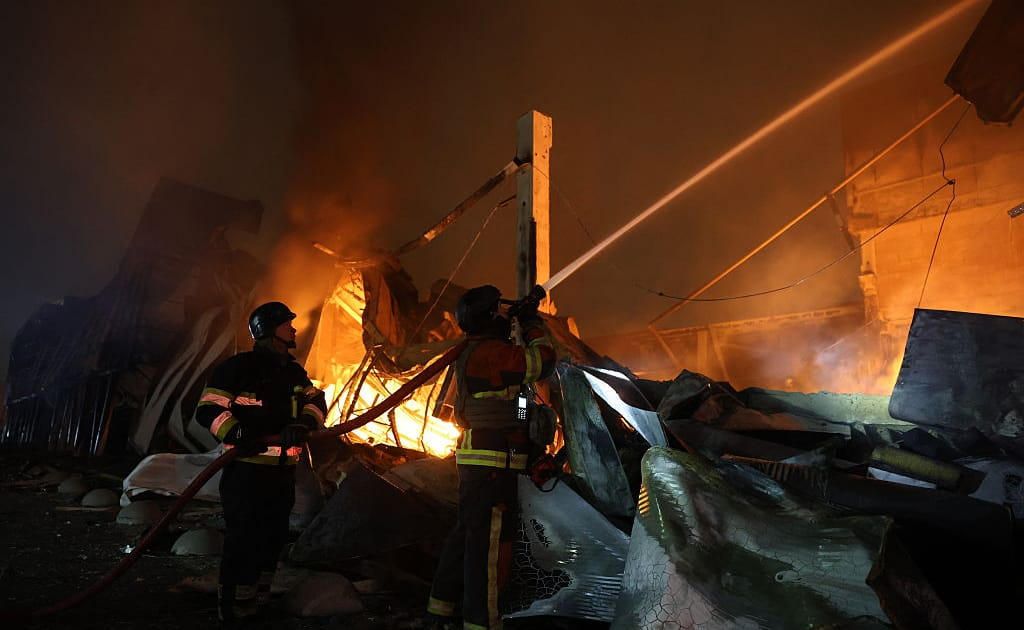
Missiles struck Kyiv before dawn.
A Reuters witness reported the strikes in the early hours of Thursday. Wednesday evening’s ballistic attack injured six. In Lipetsk, drones wounded one man. The wire used here does not give a Thursday death toll.
Ukraine
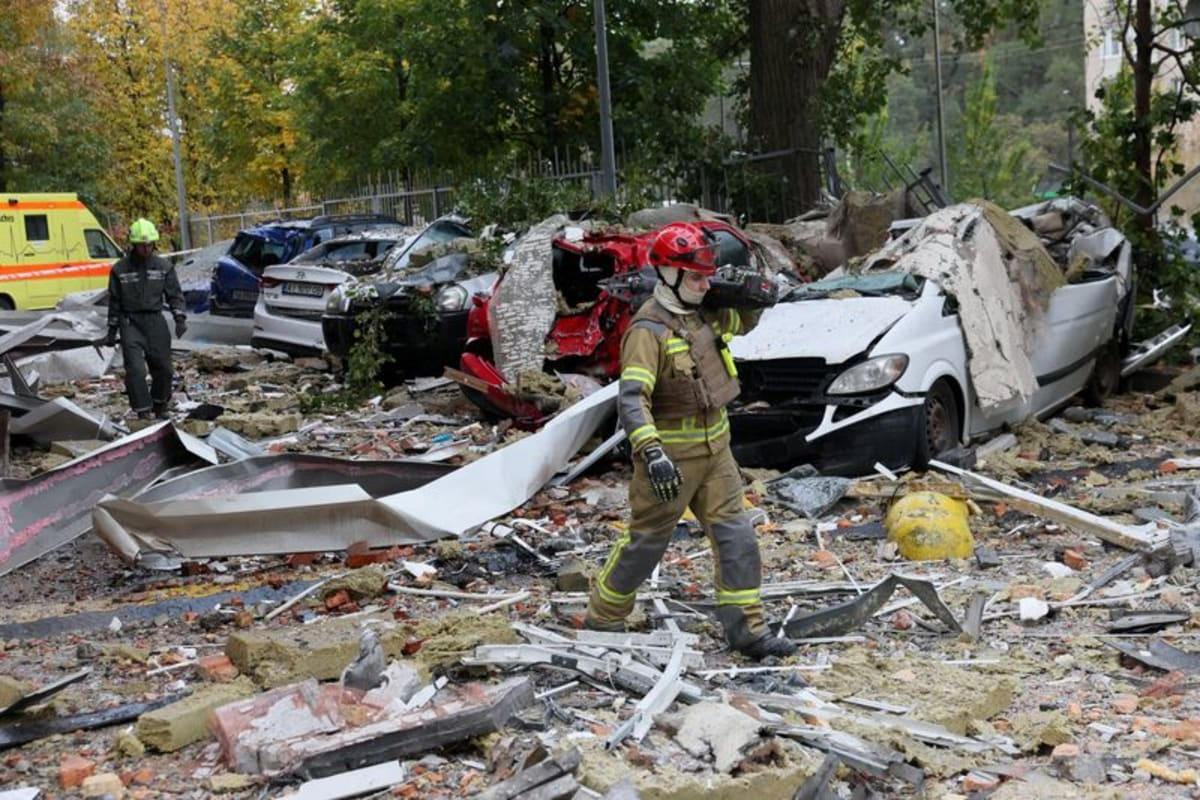
Four people were killed overnight, two of them in Kyiv.
A drone hit an apartment building in the capital. Near Kharkiv, an 83-year-old man and an 81-year-old woman were killed. The prime minister said power sites were hit in Kyiv, Volyn, Odesa, and Mykolaiv.